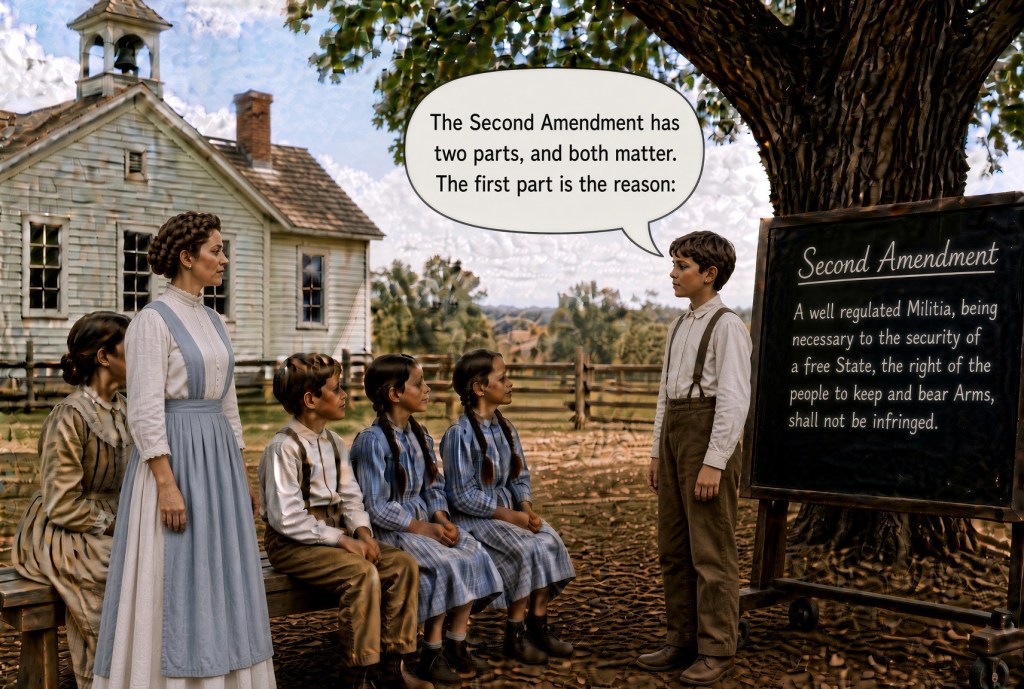
Emily – Second Amendment

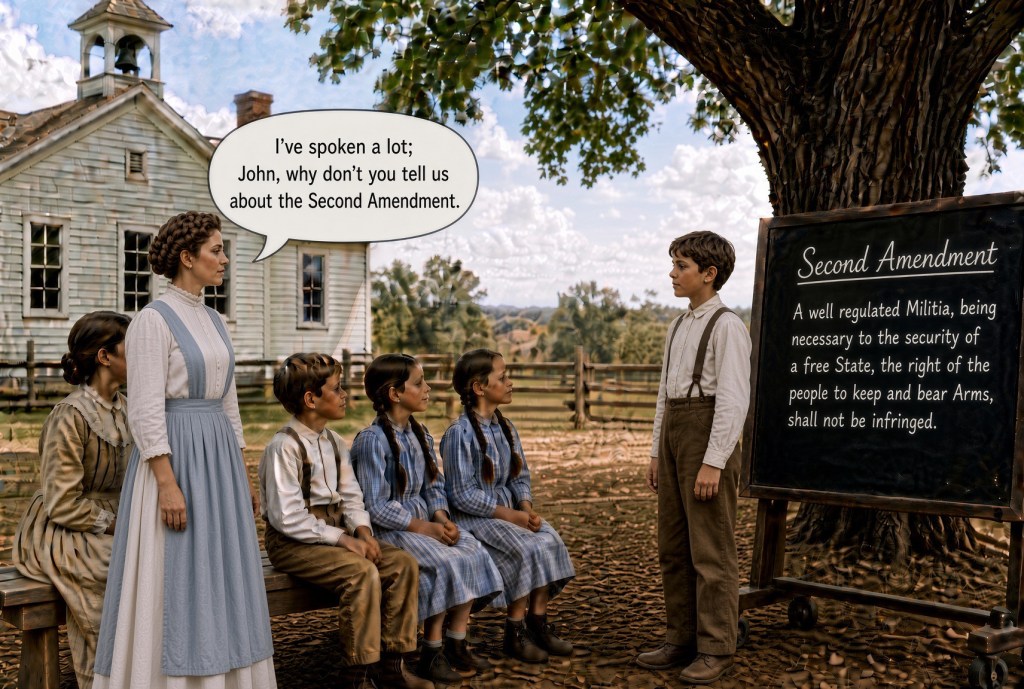
“A well regulated Militia, being necessary to the security of a free State.” In 1791 a militia was not a distant professional army. It was the able-bodied citizenry, expected to turn out with their own arms if the country or their community were in danger. “Well regulated” meant trained and orderly, not “endlessly restricted.” The Founders had just fought a war against a king who used standing troops. They wanted a free state that could defend itself without putting all the guns in the government’s hands.
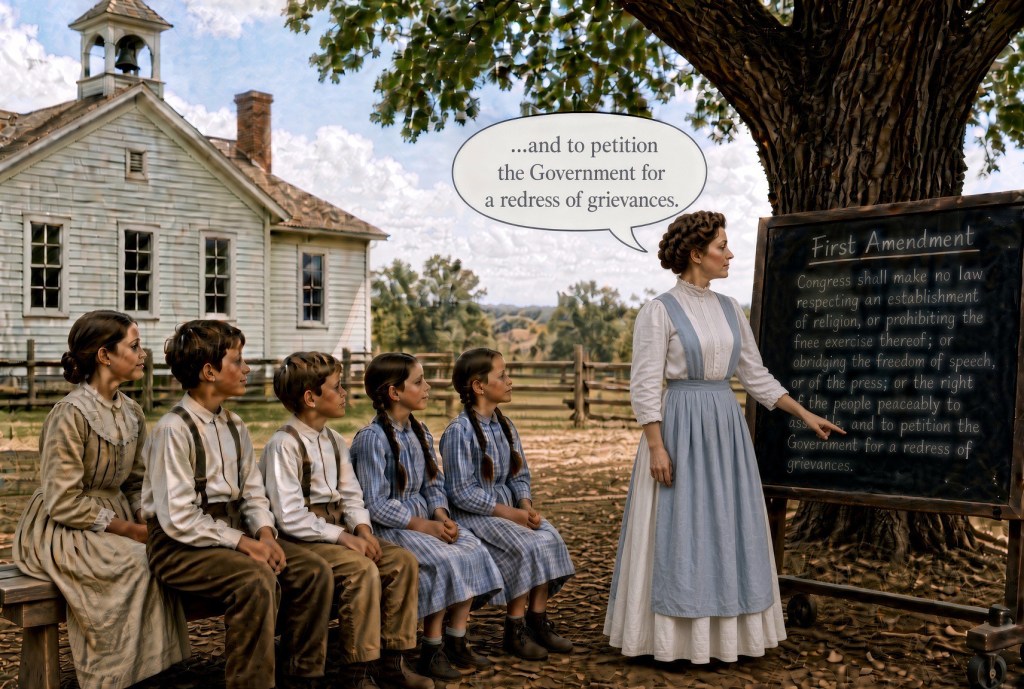
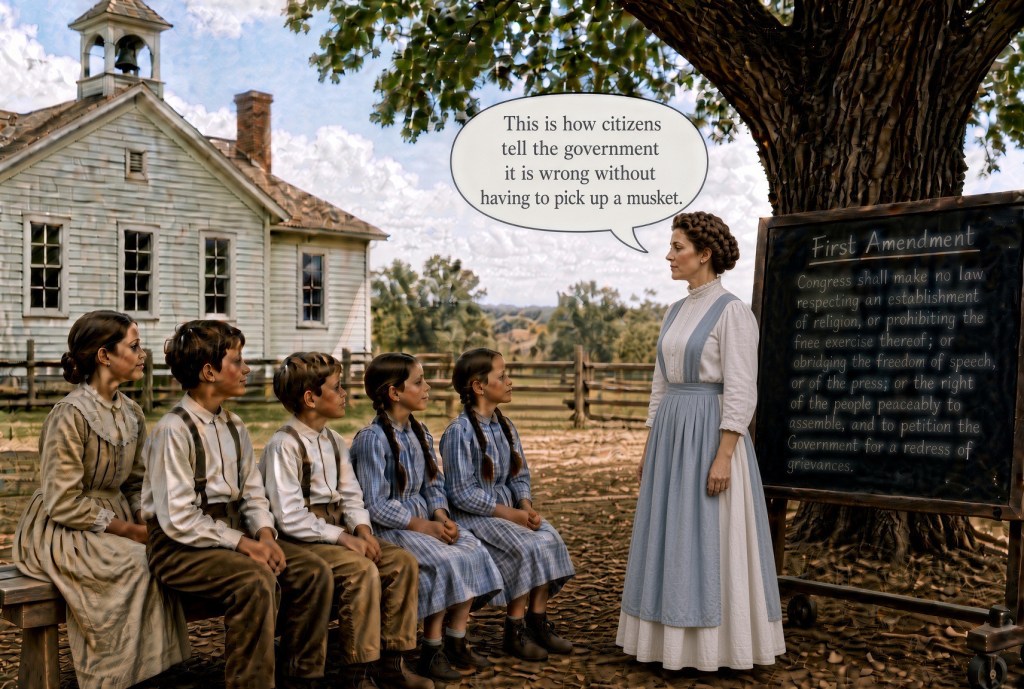
Emily – First Amendment

This is the right to complain formally and demand a fix. That includes letters to Congress, lawsuits, signed petitions, testimony, and asking officials to change a law or correct an abuse. You do not have a right to win. You have a right to ask without being punished for asking.

Emily – First Amendment

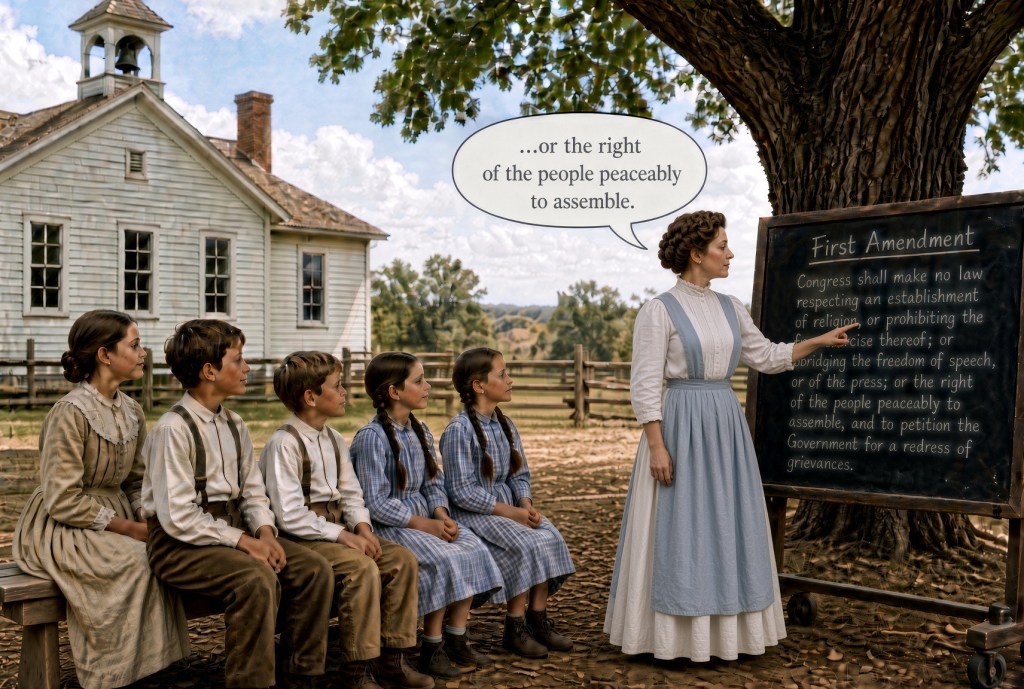
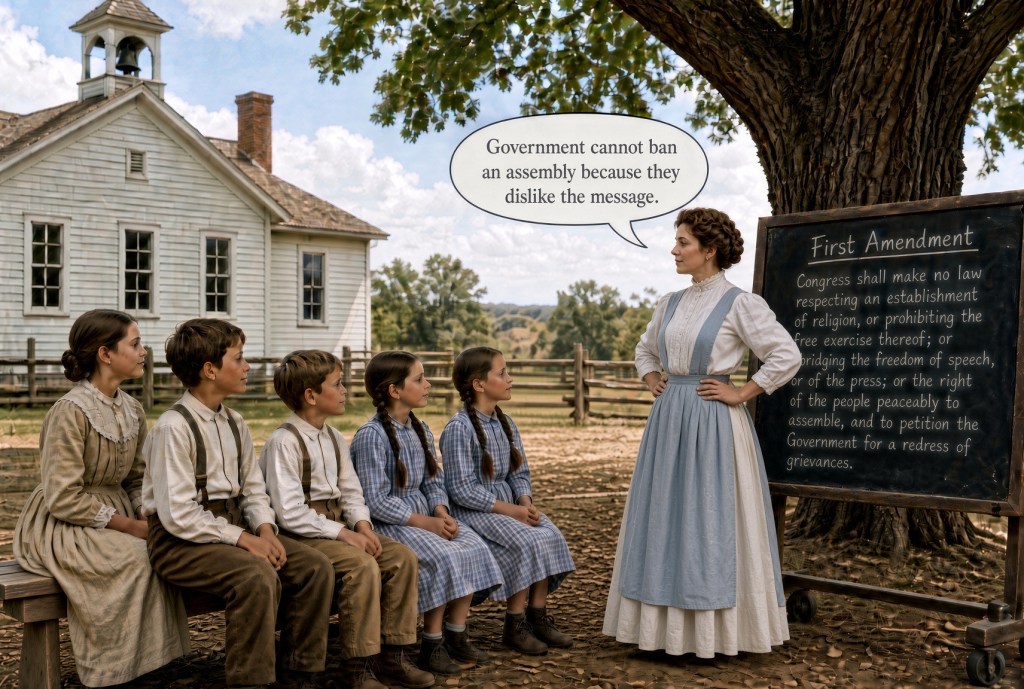
This protects the right to gather in public for a meeting, a march, a prayer service, or a protest, so long as the gathering is peaceful. The key word is peaceably. You may stand together and be loud. You may not riot, block a door by force, or beat opponents. Cities can make reasonable time-and-place rules (such as don’t hold a midnight rally on a residential street).

Emily – First Amendment

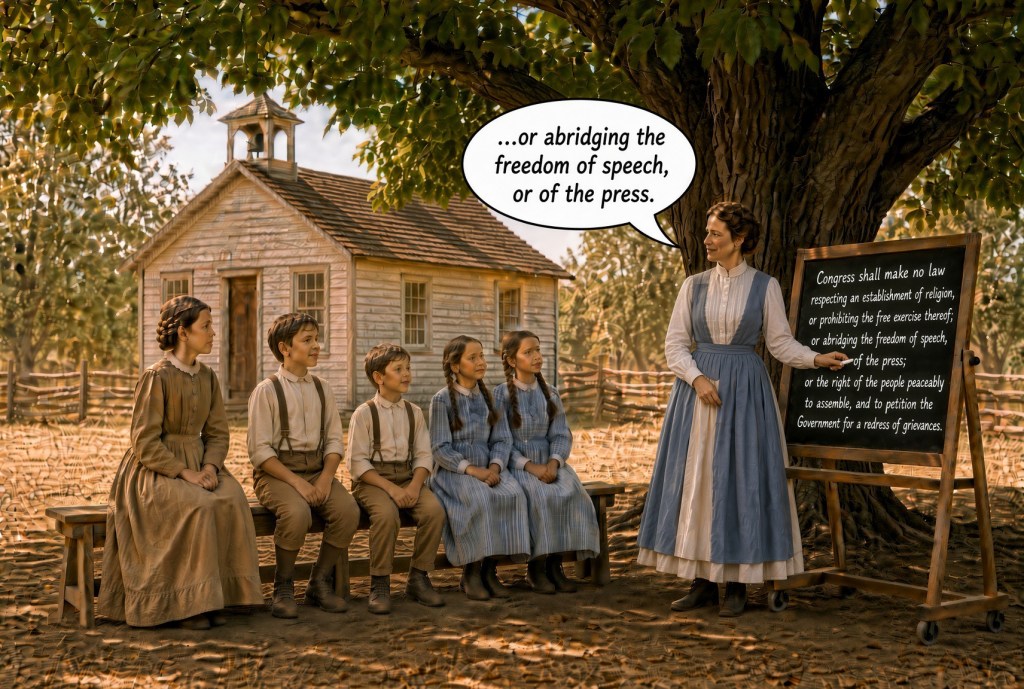
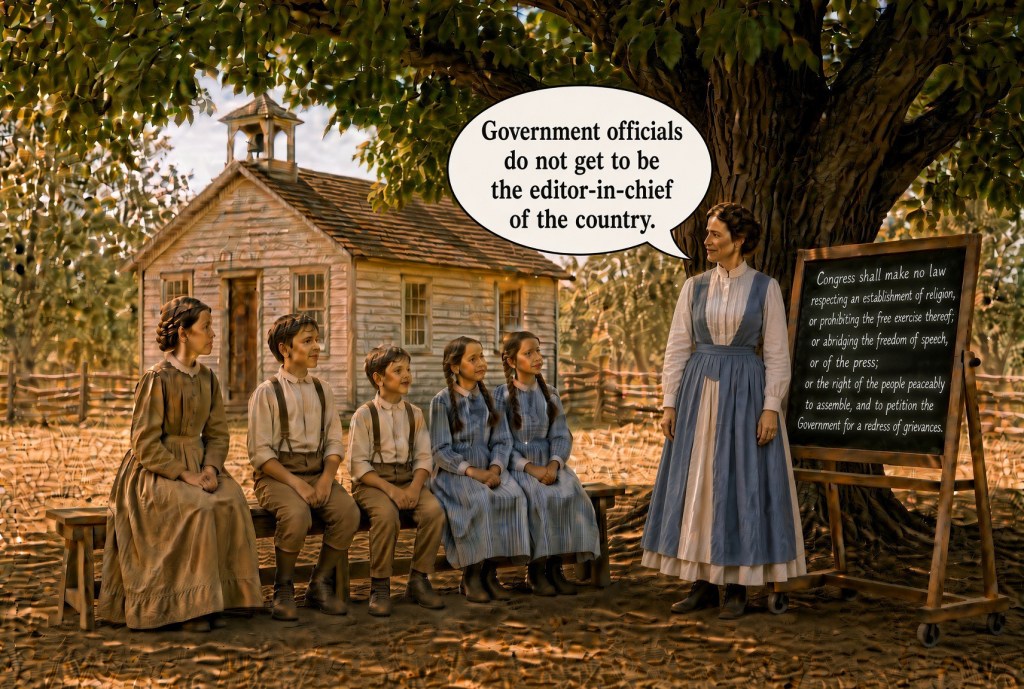
“…or of the press” extends the same idea to newspapers, pamphlets, books, and other publishers. In 1791 “the press” meant the printing press: the tool that let ordinary people spread ideas farther than a speech on a street corner. The government cannot require a license to print, shut a paper for criticizing the president, or decide in advance which stories may be published. Libel and fraud laws still exist.

Emily – First Amendment

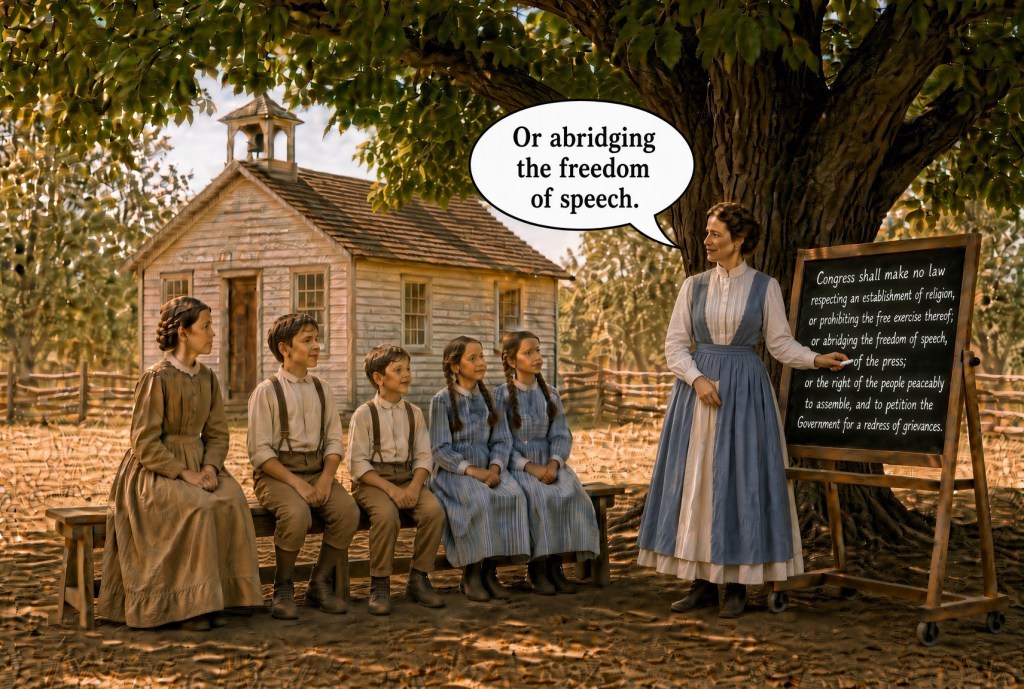
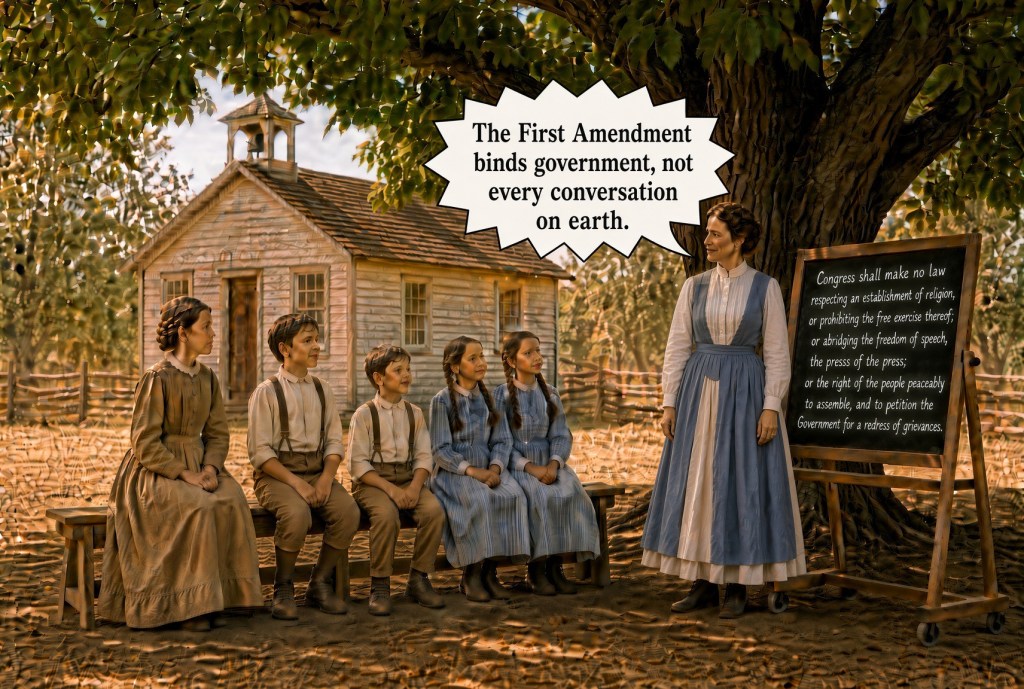
“or abridging the freedom of speech” means the government may not jail, fine, or silence you merely because your words are unpopular, rude, wrong, or embarrassing to people in power. That includes political argument, protest slogans, satire, and a great deal of ugly speech. It does not mean you can shout “fire” in a crowded theater as a prank, commit true threats, or defraud people. Private companies, schools, and parents can still set their own rules.

Emily, 1st Amendment

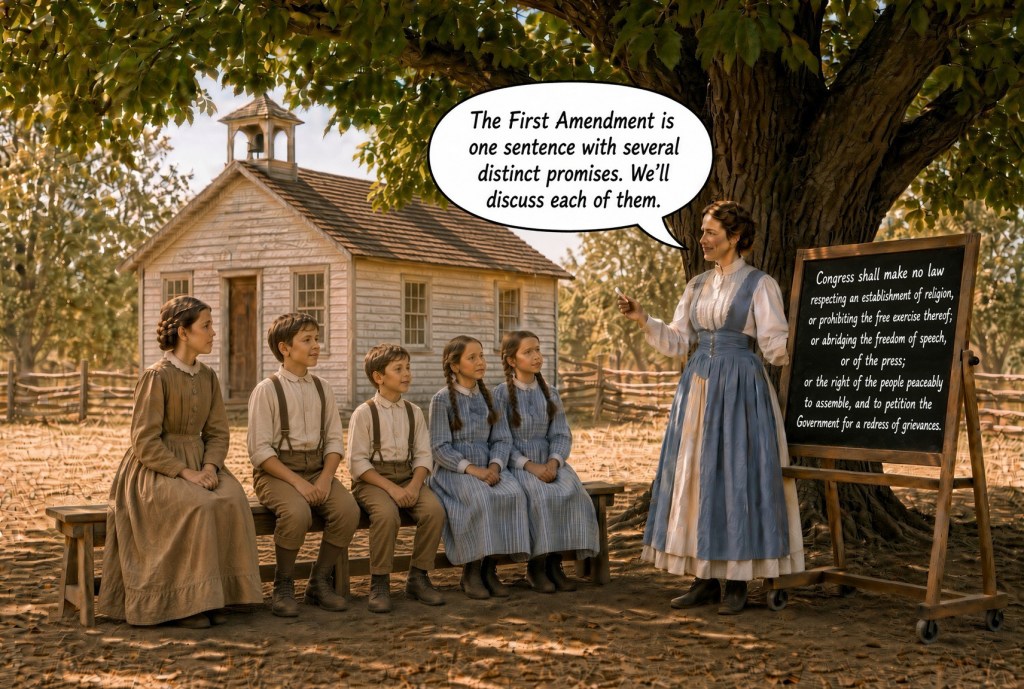
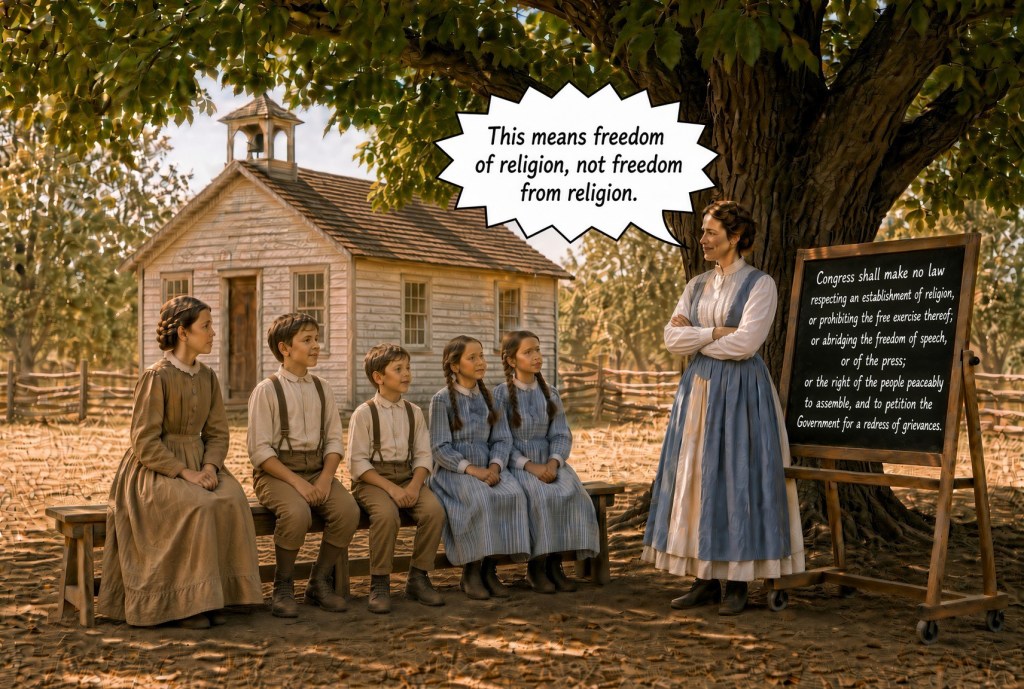
Congress shall make no law respecting an establishment of religion” means the national government cannot pick an official church, fund a state religion, or write laws that exist mainly to favor one faith over another. The point is not that religion is banned from public life. The point is that Washington does not get to be the pope, the bishop, or the tax collector for a favored creed. People remain free to believe; the government does not get to put one belief on the government letterhead.