Good thing this is Mrs. Red’s car. I wouldn’t stand for it in mine.
And the detritus of destruction?
Approximately 150 freshly tumbled cases, once-fired .308 brass, with a few 6.5 Creeds in the mix. And my buds are using the good stuff- Federal Gold Match! Single digit Standard Deviation and Extreme Spread. But as our mentor says, “Yeah. Good practice ammo.
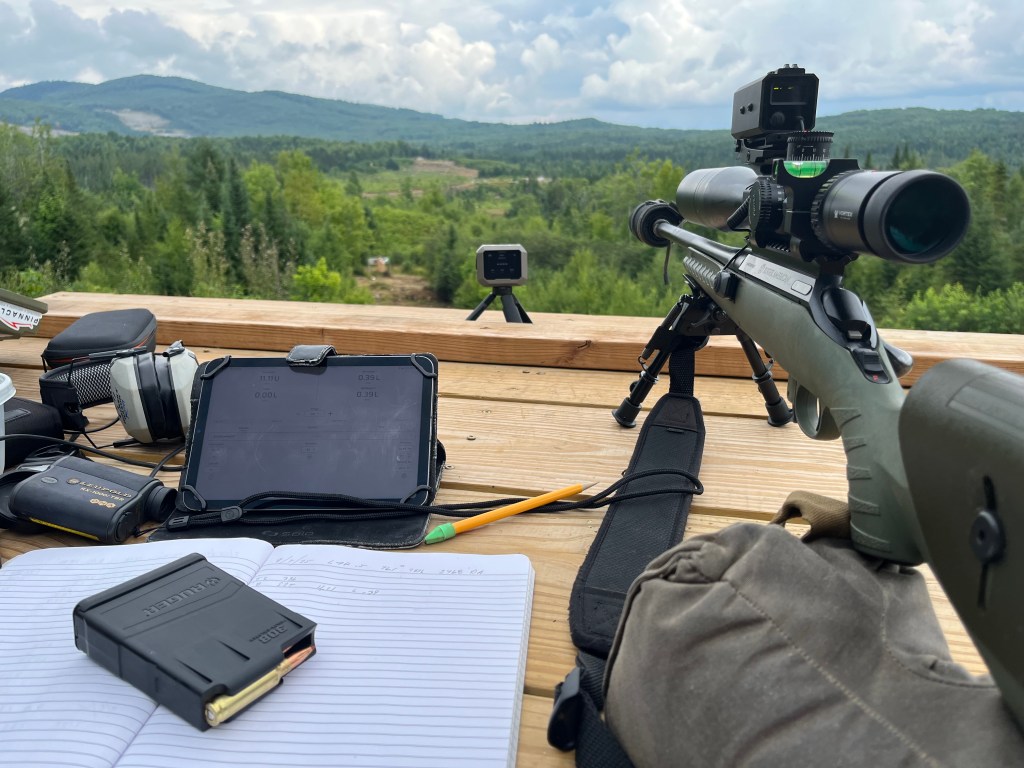
I’ve got some shooting buddies up here for an annual long distance shoot. Experience level varies greatly. But they come up from NY, NJ and MA to the Free State of NH to exercise their rights to keep and bear arms. And to shoot them at long distances. So, in the meantime:
Yesterday I mentioned jumping on to semi-auto .22 rifles in our Bangsticks for Beginners discussion. Then I realized we had skipped some important things on .22 hanguns – actually shooting them! As I was remediating that condition today, I also rembered some stuff I glossed over. Spent cartridge ejection. Let’s cover that now since it has some range safety implications.
You can see the shiny ejection rod poking through the empty chamber. Once the rounds are fired, you go to half-cocked, as if loading, then push down on the spring loaded ejection rod at the front of the barrel. You need to pop out each spent round as you rotate the cylinder. Again, limited ammo and manual ejection slows down the process so beginners can grasp everything fully.
As far as the Ruger SR 22 (and all other semi-auto handguns), when the slide recoils to the rear, it first extracts the spent shell from the chamber, continues toward the rear where it is mechanically extracted and flung to the side, then cocks the trigger/hammer, moves back forward and strips a new round from the top of the magazine and seats it in the chamber. It all sounds very complex and happens fast, but is a simple complex.
Now the Range Safety Tip. Extracted Brass Is Hot! ‘mkay? As much as I appreciate women wearing low cut blouses, that’s a no-no on the range. Same same for open shoes. And an absolute necessity is eye protection (safety glasses for the slow to catch on). Finally, a brimmed hat to help deflect hot brass.
Safety nag over. Let’s shoot!
You can see a round in the cylinder, and the extractor rod tube ahead and aligned with it.
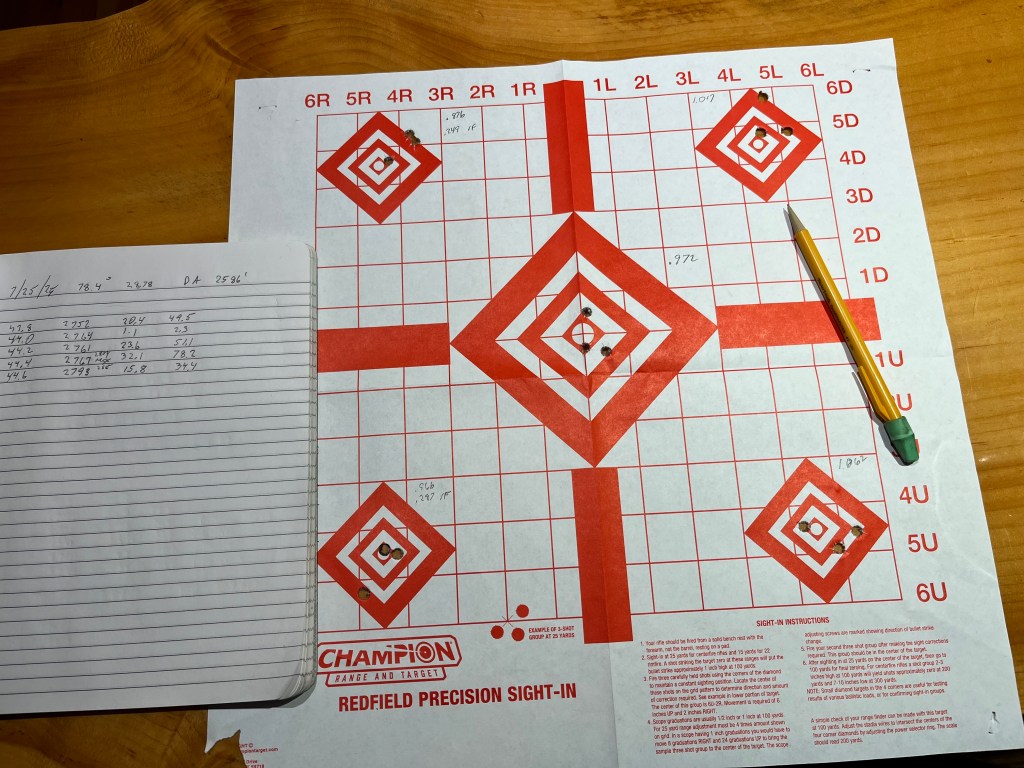
Results? OK, on paper but not very good.
Top is 5 yards, bottom is 7, two-handed grip, Weaver stance (file for future reference). I clearly was not keeping the front iron site down all the way in the rear notch, hence, shooting high. My trigger pull was poor, pushing the rounds left. Back to fundamentals, as certain people always preach. The Ruger? Also inconsistent:
Oh, we can do better than that. Sure, it’s 85 degrees, I’ve been mowing for four hours, and my socks are too tight. 7 yards, RG on the center, Ruger on the end of the right bar:
Practice, practice, practice. Maybe .22 rifles tomorrow. But, a teaser for later. See anything different?
Semi-automatic. What does that mean? A lot of politicians and leftists don’t know or pretend to not know. Simply, the firearm fires semi-automatically – one trigger pull fires one round. The slide recoils backward to recock the trigger, then forward to strip a new bullet from the magazine. That’s it. It does not continually fire as long as the trigger is pulled back. That would be “automatic “ – as in machine gun. No, AR-15s are not automatic. They are semiautomatic, requiring the trigger to be pulled for each shot. Another term for automatic is “select fire”, meaning that you have three settings you can select: Safe, Semi and Automatic. An M-16 is a select fire weapon, thus, a “machine gun”. Not generally available to the public without a lot of money, and BATFE approval/$200.00 tax stamp. And more money for ammo. The rate of fire is about 800 rounds per minute. Given that the Normal Capacity Magazine contains 30 rounds, you can empty it in less than 3 seconds. At $0.40 to $1.00 per round, you will need deep pockets. Oh, yeah. It’s a magazine, not a clip. See M-1 Garand for clips. So, rant over. But introducing a new shooter to semi automatic firearms is a great opportunity to clear up misunderstandings (or fake news) about firearms. Here is one of my favorite handguns:
Ruger SR22. A .22 caliber semi automatic handgun, with a 10 round magazine:
It is a Single Action/Double Action pistol, meaning you can choose to pull the trigger with a long stroke to cock the hammer and release it, thereby firing a round. At that point, it will recock and load a new round so that further shooting only requires a short pull. Or you can manually cock the hammer and go right to the single action of pulling the trigger. Easy peasy.
it also has a manual safety on both sides. But remember, the only true safety on a gun is between the ears. Small, lightweight, easily packed, and has virtually the same manual of arms of most semi automatic pistols. Fun to shoot, and trains you with a light recoil, on most aspects of shooting. And .22 range ammo is inexpensive. Many .22s are picky about what they will feed; I have never had an FTF (failure to fire) with this gun.
Interestingly, Ruger makes a bigger 9 mm version of this – The SR 9 and a compact SR 9 C. Yes, I’m a bit of a Ruger fanboi, but they know what they are doing. Train on the SR 22 and then move up.
Tomorrow we’ll take a look at .22 caliber semi automatic rifles!
Fully intending to shoot some .22 handguns. Of course, I left them on the inside garage steps, being distracted by putting all my range stuff back in the car following vacation – sorry, secret mission.
I’ll probably remember them tomorrow, but let’s take a look at the next step for beginners – the .22 revolver. Why, an obsolete firearm design that can only hold six rounds? Because it teaches Single Action, Double Action, Double Action Only, all concepts carried over to semi auto hand guns. It also forces slow fire, gun fundamentals, and sight alignment. It also teaches about changing grip – the gas escaping around the forcing cone will definitely hurt, so be aware.
Let’s take a look:
I bought this just south of Fort Campbell on 41 A at a local hardware/convenience store in 1975 for less than 20 bucks. It’s a German-made “RG”. RG had an abysmal reputation – some parts made of pot metal, etc. It was said that there were only two types of RGs – complete junk, or OK. I evidently got the latter. It is still reliable a half century later.
There are three hammer positions – quarter cock, safe like a 1911 cocked and locked; half cocked, for spinning the cylinder and loading; and full cock, for shooting (and where does the phrase, “Going off half-cocked” come from?).
Half-cocked, and loading gate open. I find that having new shooters have a limited amount of ammo makes them concentrate more on fundamentals. There is a time and place for semi autos, but not for a beginner.
“Safe”, so you can carry six rounds, without worrying about having the hammer riding on an empty cylinder.
Ready to go. And understanding that Single Action means manual cocking, and that the only action of the trigger is to release the hammer to fire the round.
Later, instruction on modern revolvers where Double Action means that the trigger first cocks the hammer, then releases it to fire. And then later instruction about SA/DA where you have the choice of either. Finally, Double Action Only, where the trigger pull is required to cock the hammer and release it in order to fire.
So what kind of trigger action is a 1911? Or a Glock?
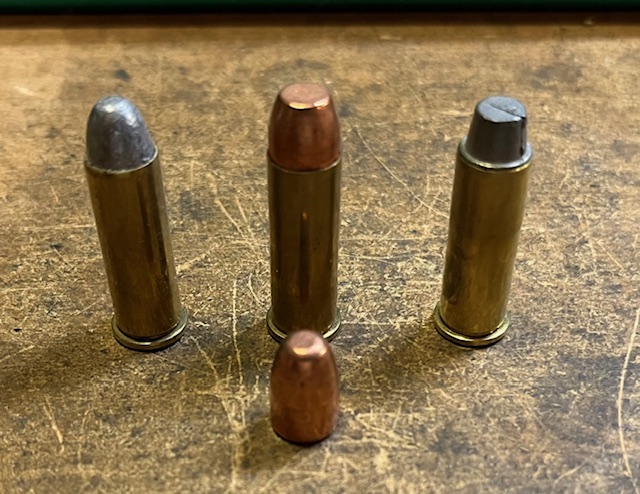
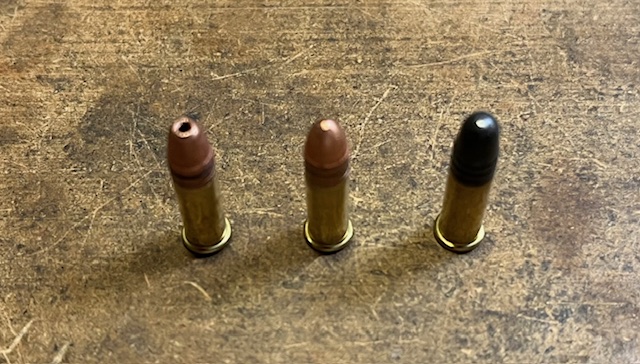
M-4gery. Still no? Well, yeah. Let’s start with the ubiquitous .22 Long Rifle, a cartridge that’s been around since 1887. It’s the perfect caliber for beginners – no recoil, not too noisy, and inexpensive, but with all the same functionality as larger calibers. I think that starting beginners off with a .22 bolt action rifle is best. Iron sights, a long sight radius, a stable platform, will all get a newcomer started off on the fundamentals. Emphasis on “fun”. After getting comfortable with the rifle, a .22 revolver is probably the next best step. Learn the difference between single and double action. Get used to the less stable platform of a handgun.
Tomorrow, I’ll do some pix on good beginner candidates. And, by the way, shooting .22 in any platform is just plain fun. It will get new shooters hooked on enjoying the skill and pastime of shooting.
I’m going to do a piece or two on beginner guns, but even before that, gun dangerousness. Yes, guns are dangerous. They are intended to be so. That is their original design principle. So, “gun safety” is a bit misleading.
A gun is a force projector. It is the evolutionary result of throwing stones, throwing spears, shooting arrows. It is designed to inflict potentially lethal force against other beings, human and otherwise. All the other uses of guns, plinking, target shooting, trap/skeet, all are secondary to the basic purpose of a firearm. With that in mind, let’s examine how we can control that force.
First, “The Four Rules”. When followed religiously, they ensure that the projection of that force does not result in unintended results.
Every gun is loaded. Treat every gun that way.
Do not let the barrel of the gun “cover” (point at) anything you are not willing to destroy.
Do not put your finger on the trigger until you are on target and ready to shoot.
Know what your target is. And what’s beyond it.
Discussion:
When handling any firearm, if you treat it as if loaded, you won’t do stupid unloaded gun stuff – looking down the barrel, waving it around, doing quick draws. How many times have you heard, “But I didn’t know it was loaded!”
This means always pointing your firearm in a safe direction. Good example – if you are on the firing line and your gun is pointed toward the ground, is it a safe direction? Maybe. But next time, take a look at where your feet are. Is your gun covering your toes? Another example – some shotgunners have special shoes made with a leather piece on their toe so that they can rest the barrel there between shots. AYFKM? Even shooting bird shot, a negligent discharge will go right through that resting point.
As every veteran heard in basic training, “Keep your booger hook off the bang switch!” Literally, do not let your finger come in contact with the trigger until you are pointing at the target and you are beginning the trigger press. This is sometimes hard to do in practice. Think, most every gun is designed to be comfortably held in the hand and the trigger finger naturally wants to go inside the trigger guard. This is why you really do not want to try to catch a gun if you drop it. Yep, you caught it and it didn’t get dinged or dirty. Nope, you caught it perfectly and contacted the trigger just enough to set it off.
Sure, you know you pinned a target to the tree. Have you considered what happens if you miss? Or if the bullet is not stopped by it? Where will that bullet end up. OK, is that a deer or Farmer John’s red heifer? Do you know that a little itty bitty .22 round can travel 1500 – 2000 yards? That would be over a mile if you haven’t done the math. So make sure that so,etching will backstop your round.
Thinking about it, if you follow these rules, you will likely never have a negligent discharge. Nope, there are no “accidental” discharges.
When I shoot with someone I have never shot with before, I always go over The Four Rules. If they know anything about shooting, they never complain.
Next up, Guns for Beginners. BTW, beginners never set hands on a gun with me until they repeat and explain The Four Rules to me.
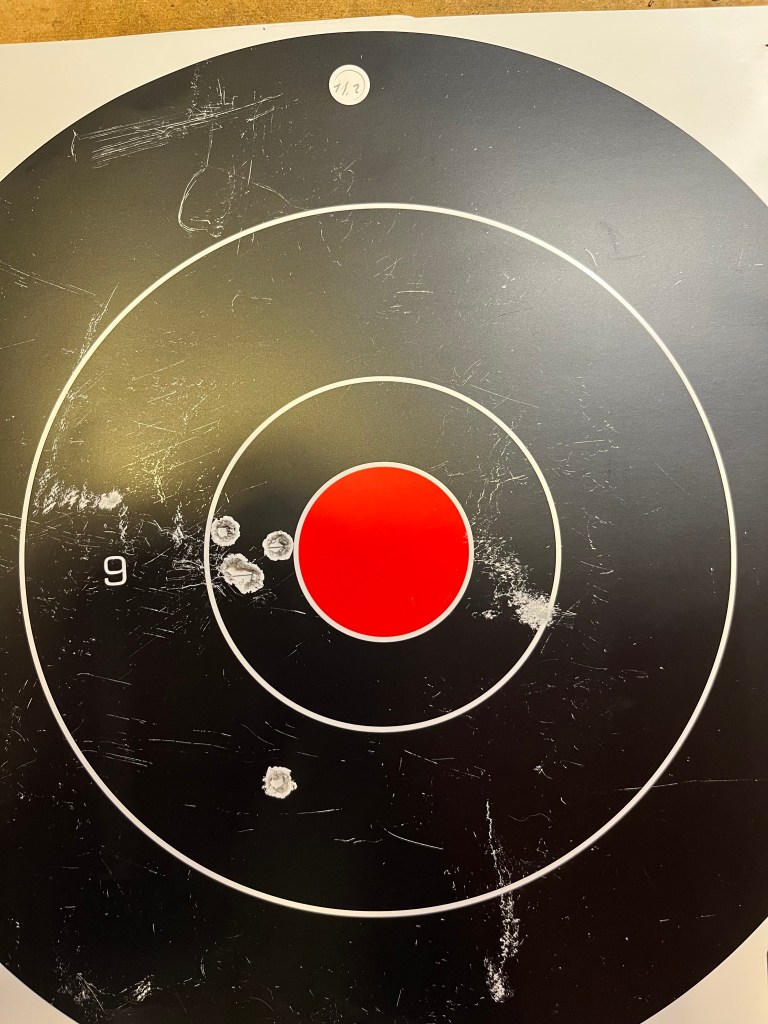
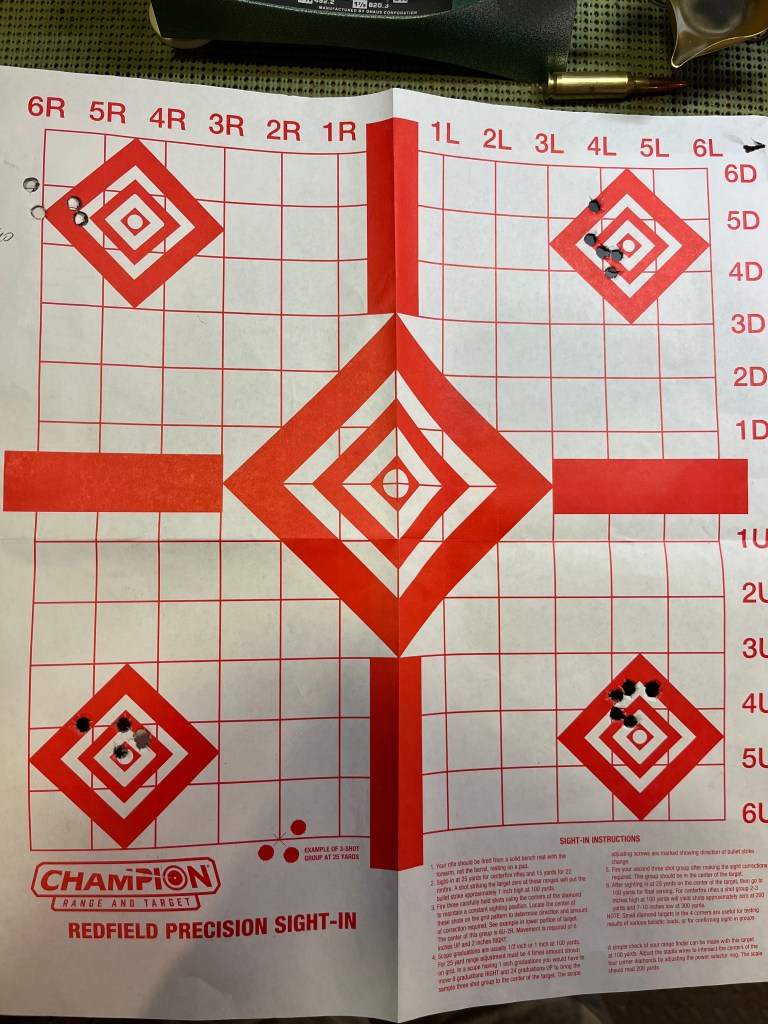
In the rain. The rifle performed flawlessly. The three shots in yellow were Hornady 140 AMax, followed by the three in blue, which were Sierra Game King 140s. Disregard all the .22 holes – it was raining and the target was down there.
I talked about the issue last night on Ace, with the following as maybes: tight chamber, need a small-base die, hot chamber. But I’ll go with this one: Socks too tight, and the Range was angry that day, my friend.
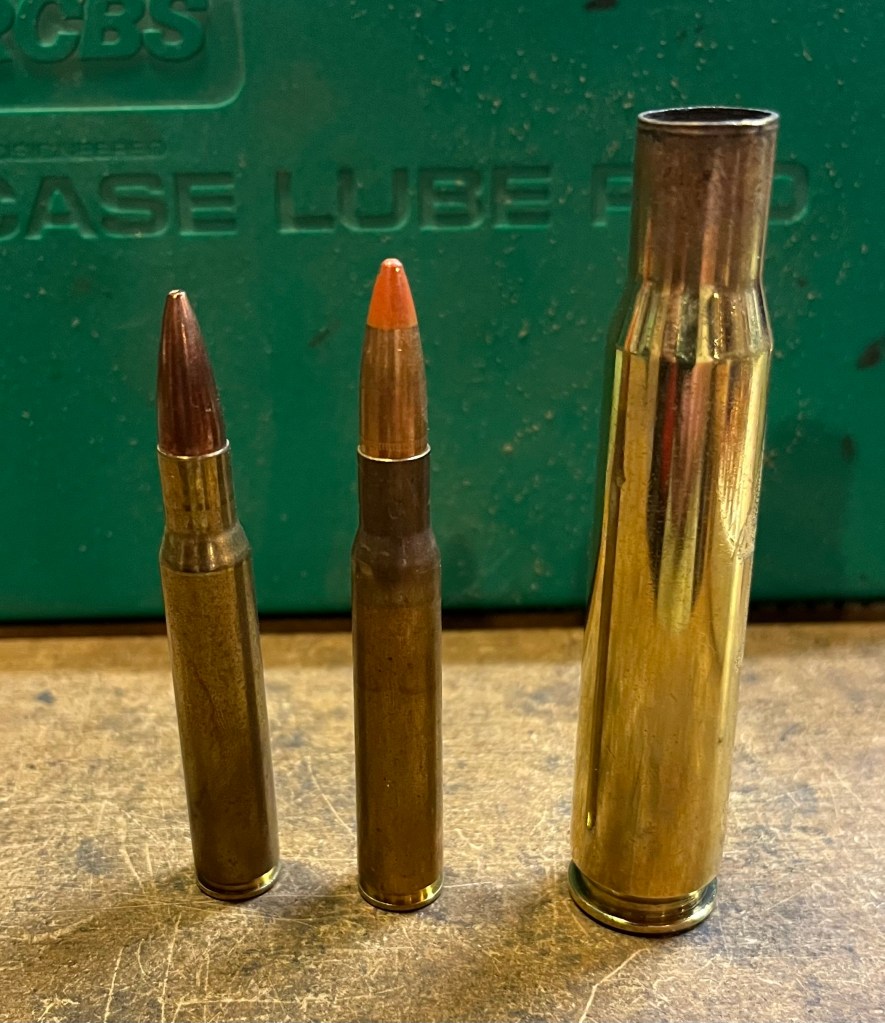
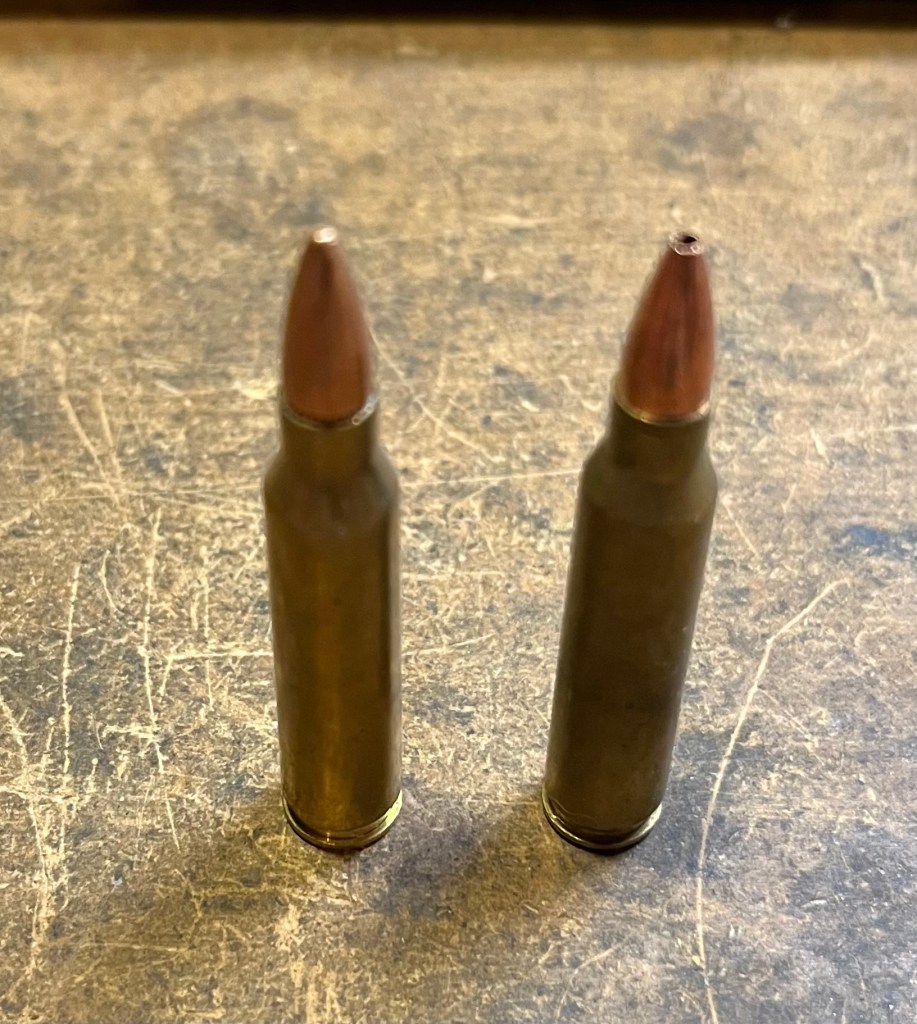
This is the case that jammed. It sat in a hot chamber, enough to get scorched. But the bottom of the shoulder is bright, meaning (I think) that it was hard up against the end of the chamber. I compared it to a just-sized case:
Bad angle – it looks bigger – it ain’t. Both pop in and out of the go-no go headspace/length tool (whatever its name is). Another view shows manual extraction scrapes:
No conclusions yet. Going to rain all day. I guess I’ll get wet at the range.
They said it would be here today. And they were right. All cleaned up and tested, plus another cool decal for my range box.
Listen to me on this one – if you are going to work on scopes, you need these tools, both by Wheeler: FAT wrench for torque in inch-pounds, and scope level set.