
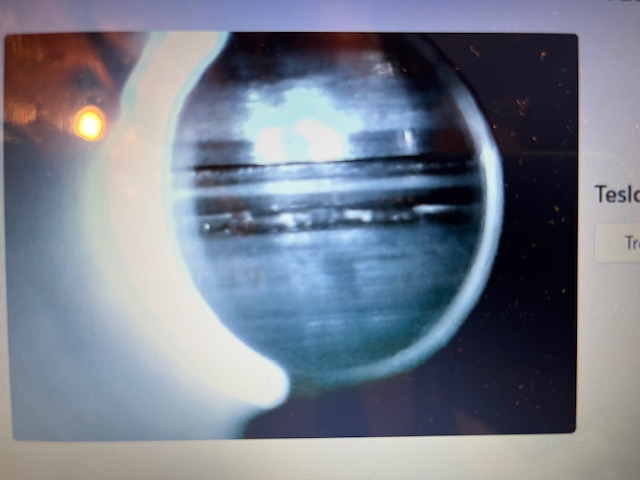
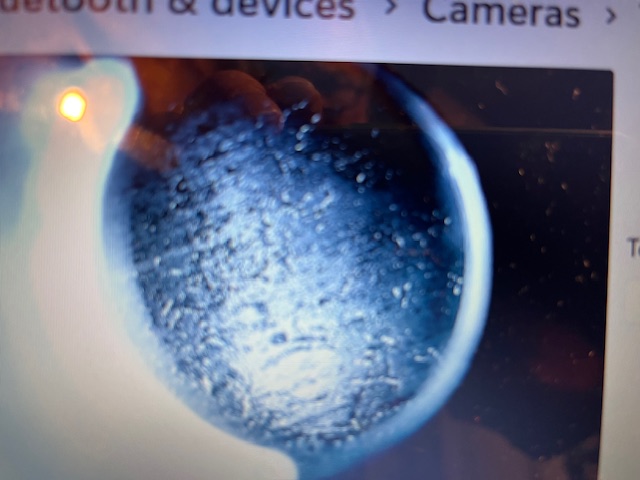
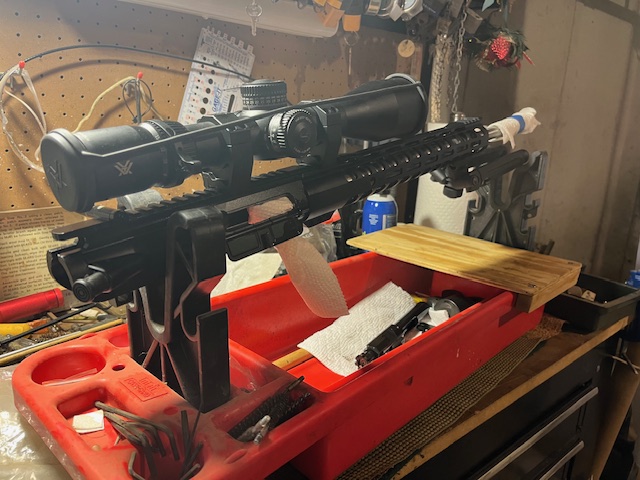
So, the AR10 has had two overnight soaks, one in Wipe-Out and one in Hoppes’ version of the same thing – I’ll have to look later for the name. But I’m still getting views of carbon streaks between the lands:
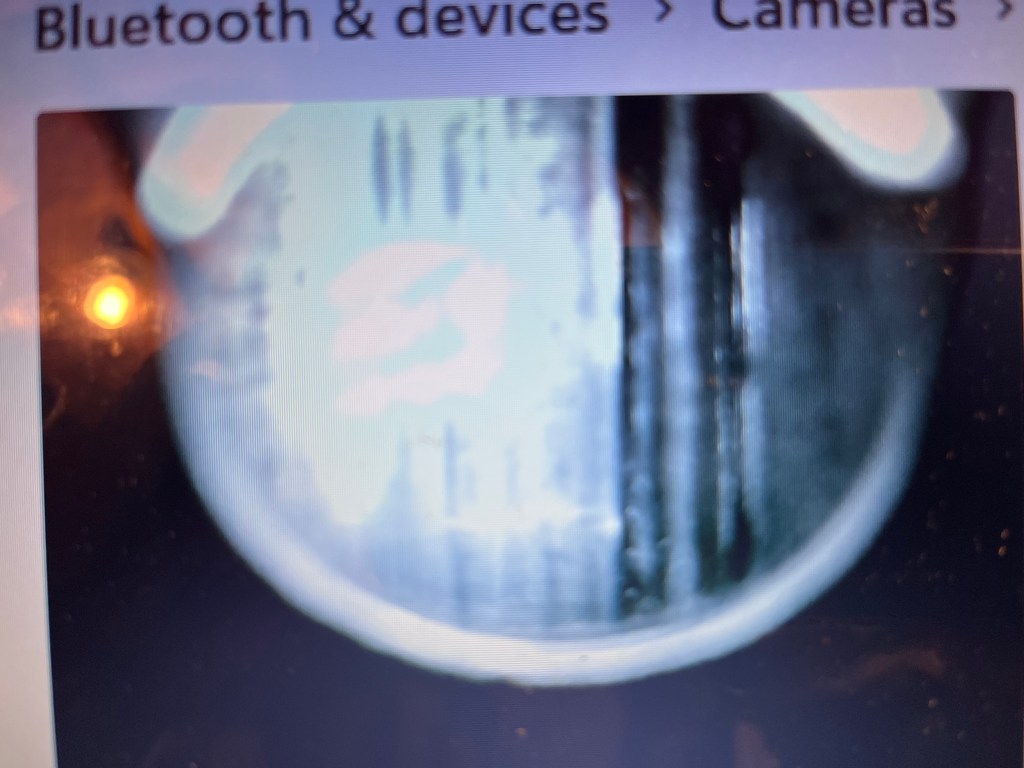
I got out the CLP, brush and patches and this is what I got on the first pass after scrubbing:
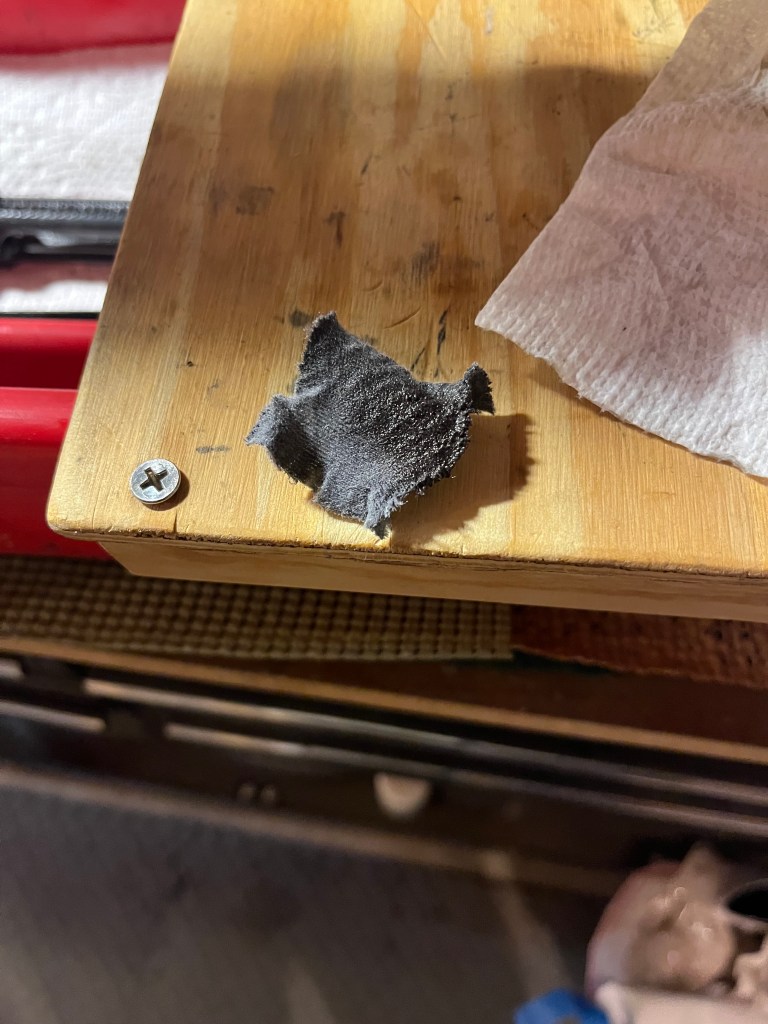
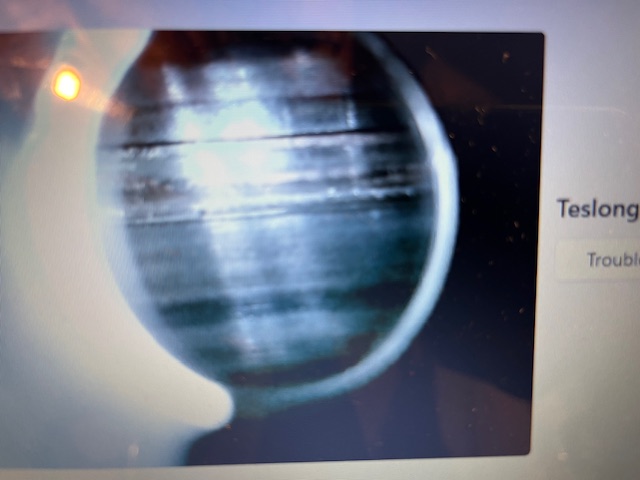
Back to the scope. Better, but still carbon remaining:
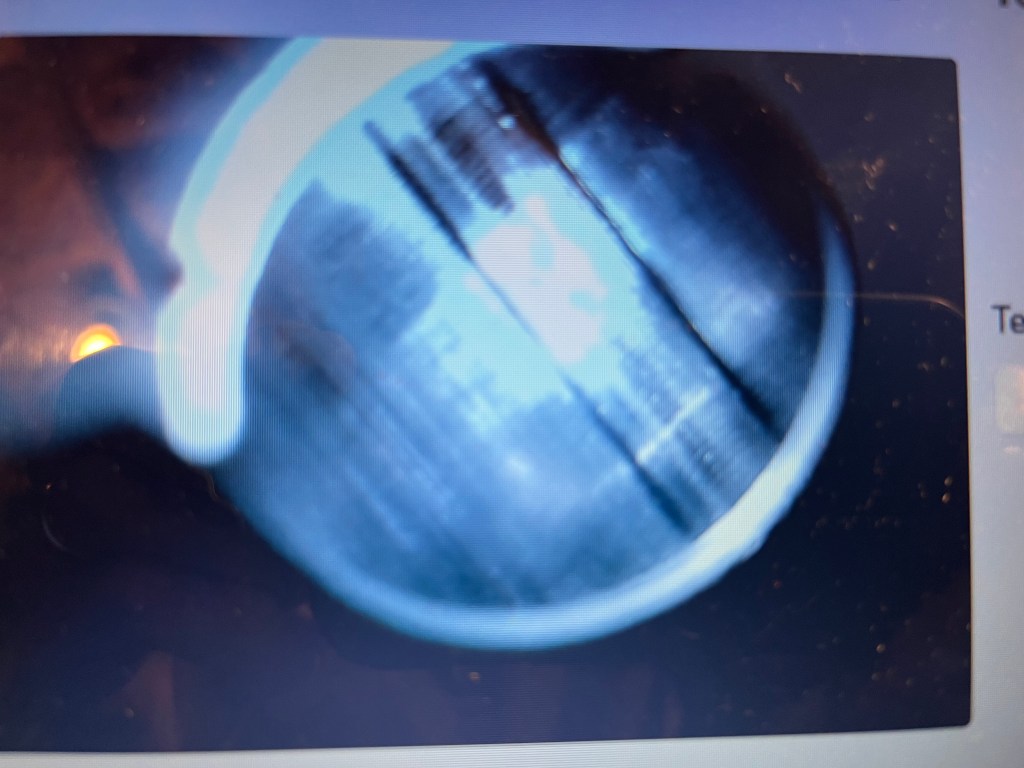
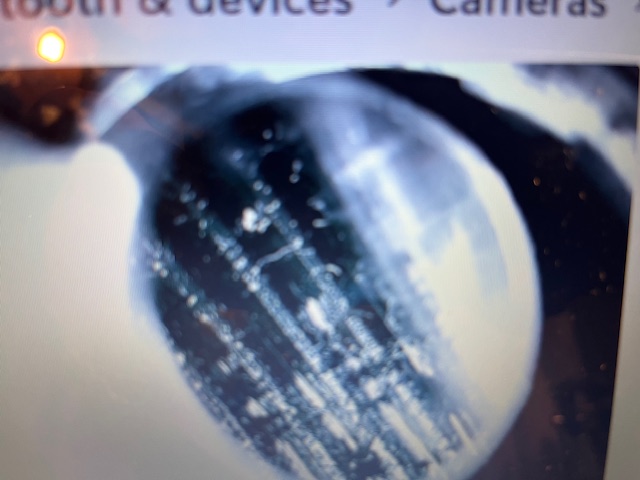
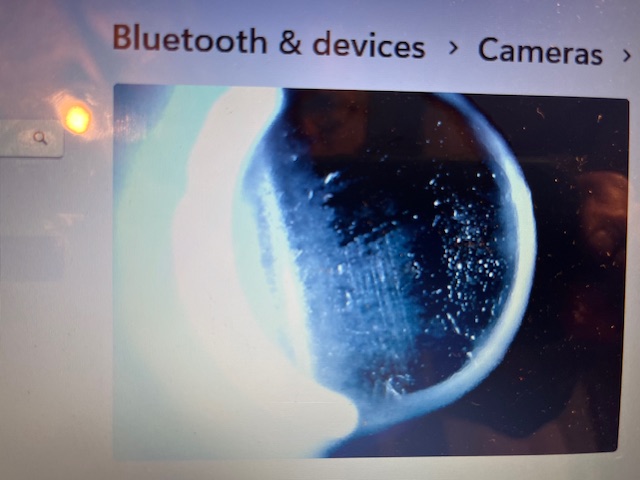
Tried again, but still got filthy black fouling. Back to a Wipeout soak overnight. That fouling is really baked in. I assume that the barrel is getting hotter with a faster rate of fire than a bolt action. Probably means more frequent cleaning.
Speaking of cleaning, I had picked up some .308 range brass likely left over from a winter shoot and under the snow till I got there last week. A pic showed how nasty it was:

I let it run in the tumbler another time overnight. The results were better:
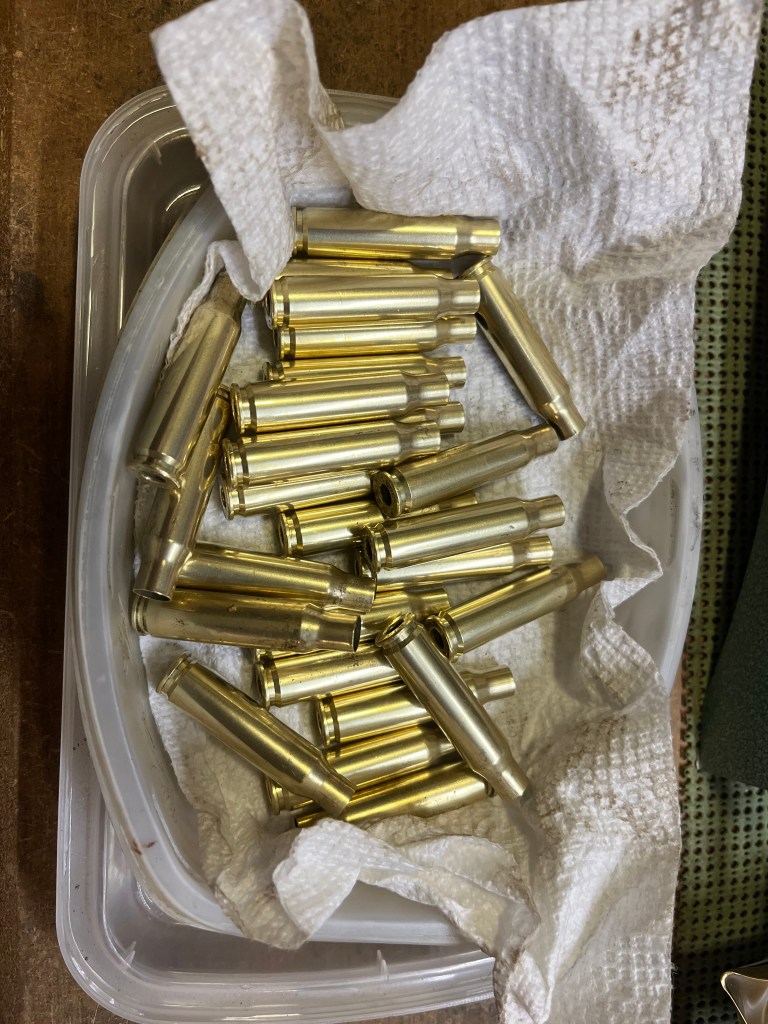
It’s all PMC, and when I ran it through my go/no go gauge, it was all fine. None needed trimming, so I suspect it is not once-fired brass. I’ll load up a few and see how it shoots. At least it’s cleaner than the rifle.



 KatNap Fever!