Predator Precision

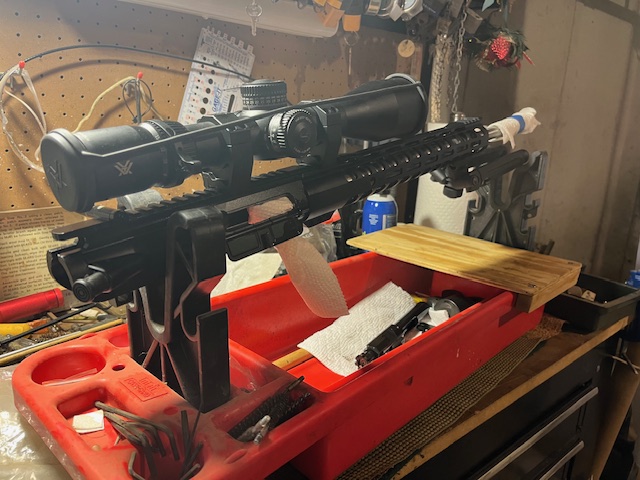
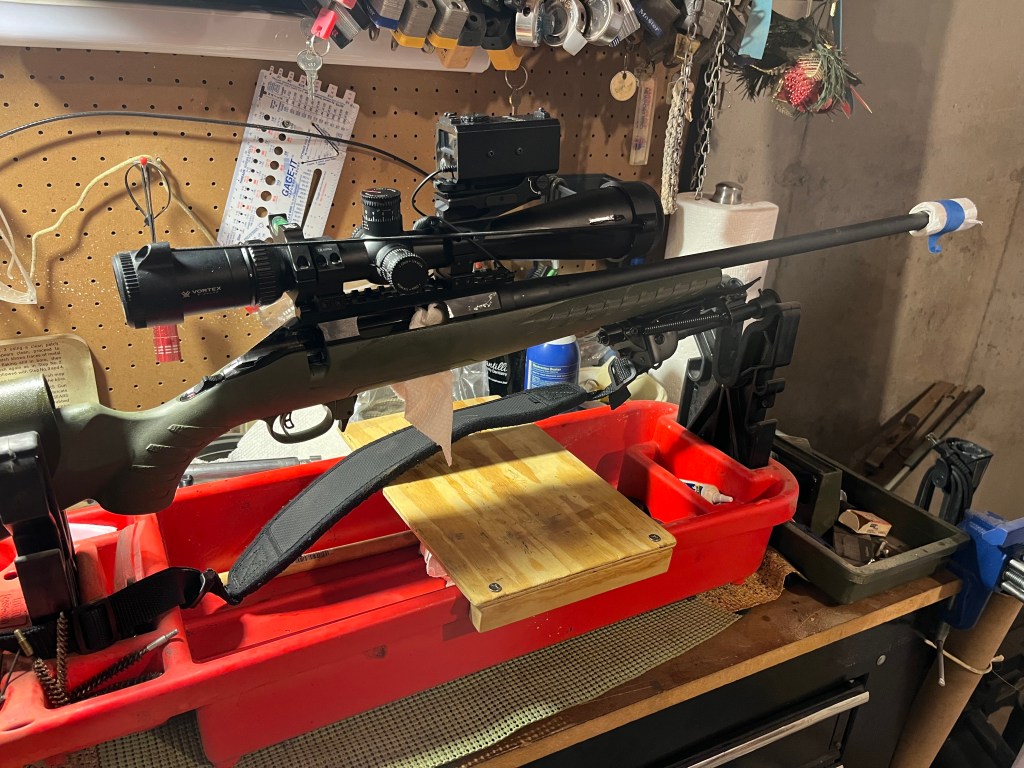
As I was falling asleep last night, I was trying to remember all of the upgrades I did to the rifle. Of course, I bedded it. Then, I
  1. Changed out the magazine from four to AICS and ten rounds.
  2. Adjusted the stock trigger down.
  3. Added a muzzle brake.
  4. Ordered a suppressor.
  5. Received the suppressor 14 months later.
  6. Swapped out the trigger.
  7. I forget.

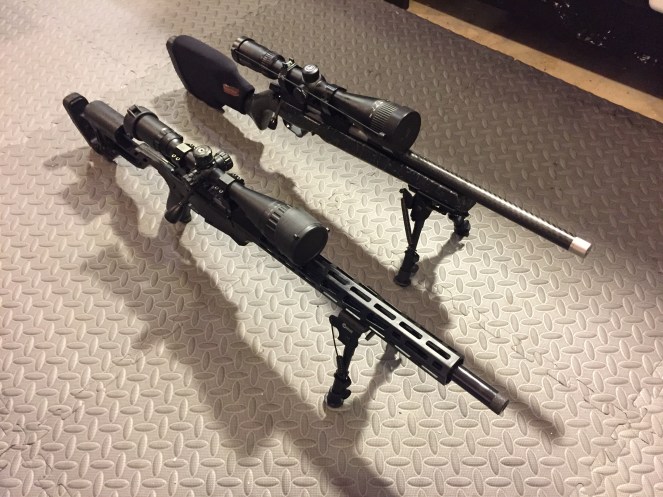
Let’s see about photos during this process:

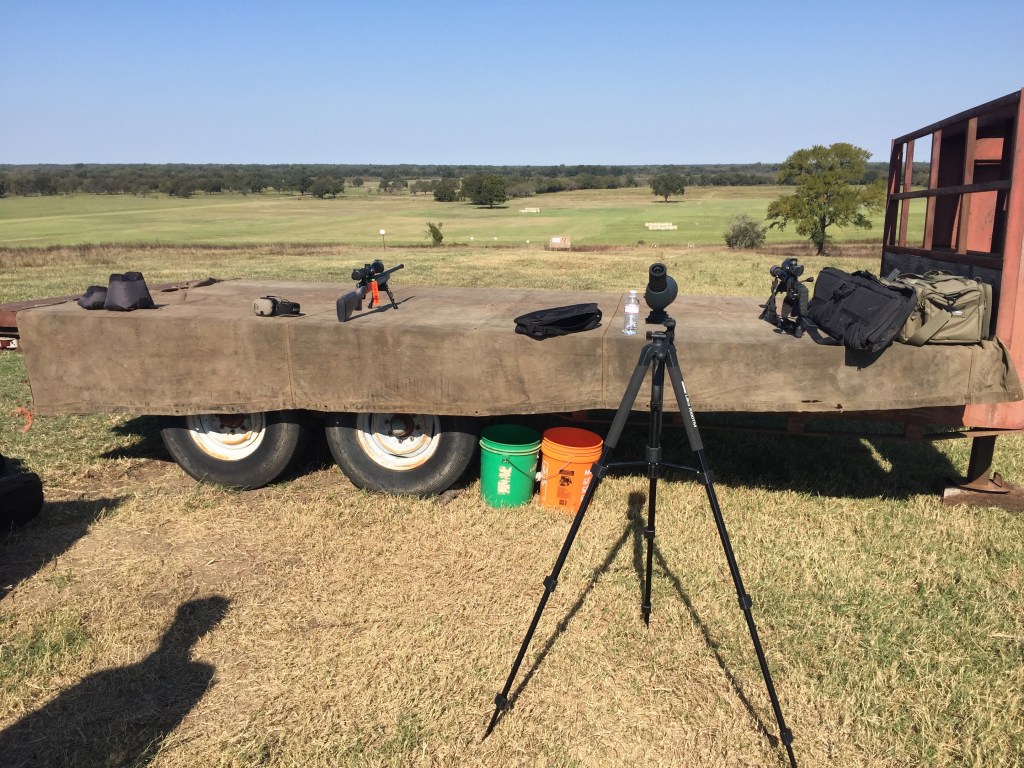
Then I went to Texas with some shooting buddies/budettes.

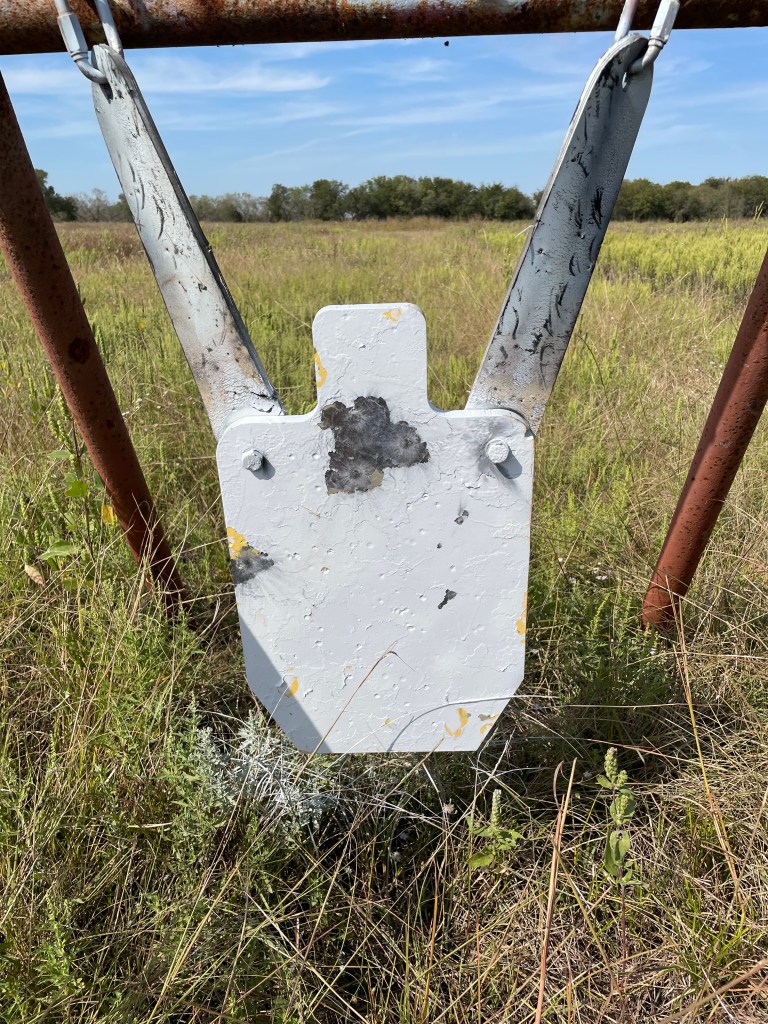
I was the only one to engage the 750 target out next to the big tree. First shot left edge. Adjust. 3 good ones. A buddy knew I could shoot ok, but didn’t know how much. He brought back this pic:

I went out today to see if my 5 year old rifle with over 3000 rounds through it was still functioning. I’ll show you tomorrow.

Predator Precision

I remember seeing the first ads come out for the 6.5 Creedmoor round in about 2008. Usually second page on the right side of American Rifleman or other magazines – the best ad placement. I didn’t pay much attention as it did not seem to be anything I needed or wanted. It looked sort of funny with all that bullet exposed, compared to sensible rounds like 5.56.

But I kept noticing it over the years, and it gained in popularity. In the 20 teens I was reloading for 5.56, .243 Winchester and .223 Winchester Super Short Magnum (that was a real barn burner at over 4,000 fps muzzle velocity. Barrel burner, too.) When I decided to reach out very long distances, the 6.5 Creedmoor seemed like the way to go.

But pricing of those rifles was just out of reach. That is, until Ruger came along. The Predator was well under a grand, and it was getting great accuracy reviews. But it had a really crappy, flimsy plastic stock and a tiny 4-round magazine. Still, it had a rep for shooting straight.

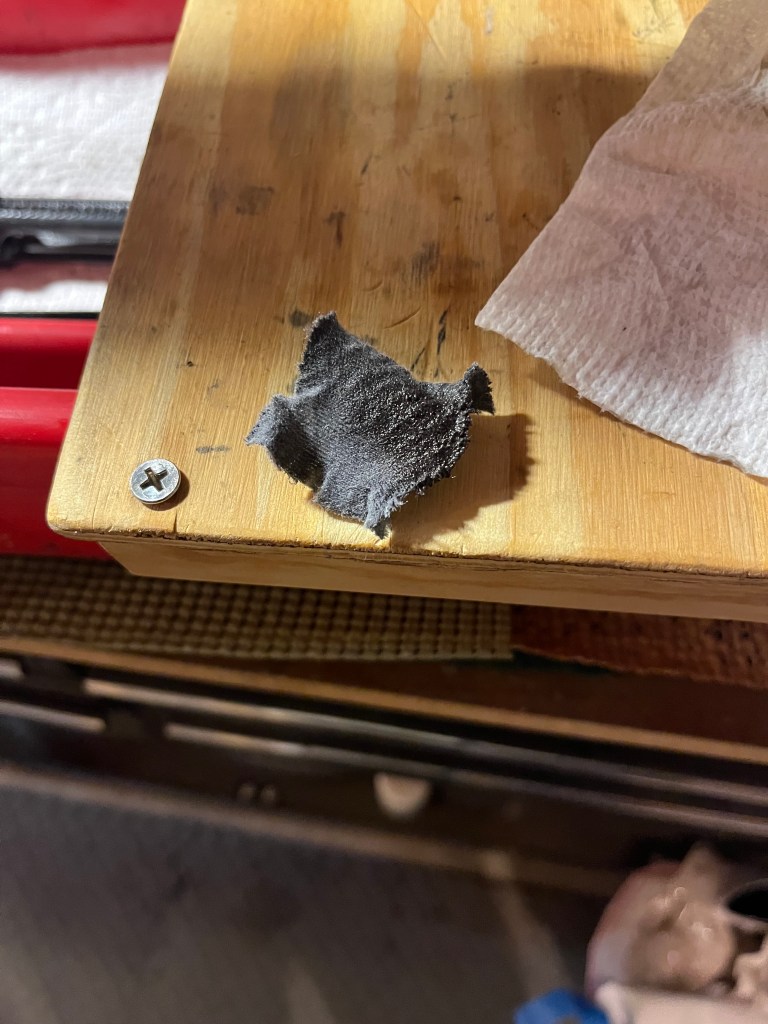
When I took mine out of the box, the first thing I noticed was that the free-floated barrel wasn’t. The right side of the fore-end was right up against the barrel. Thus began the first of many fixes/improvements/upgrades. Sandpaper took care of the first.
So, how did she shoot. First shots:

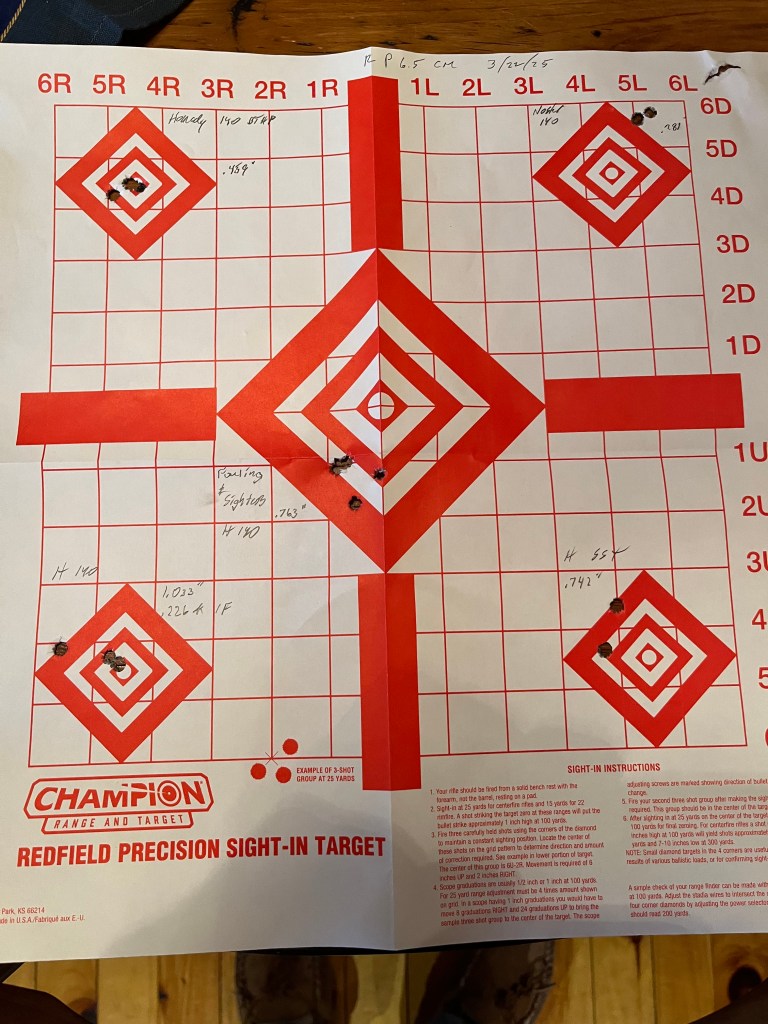
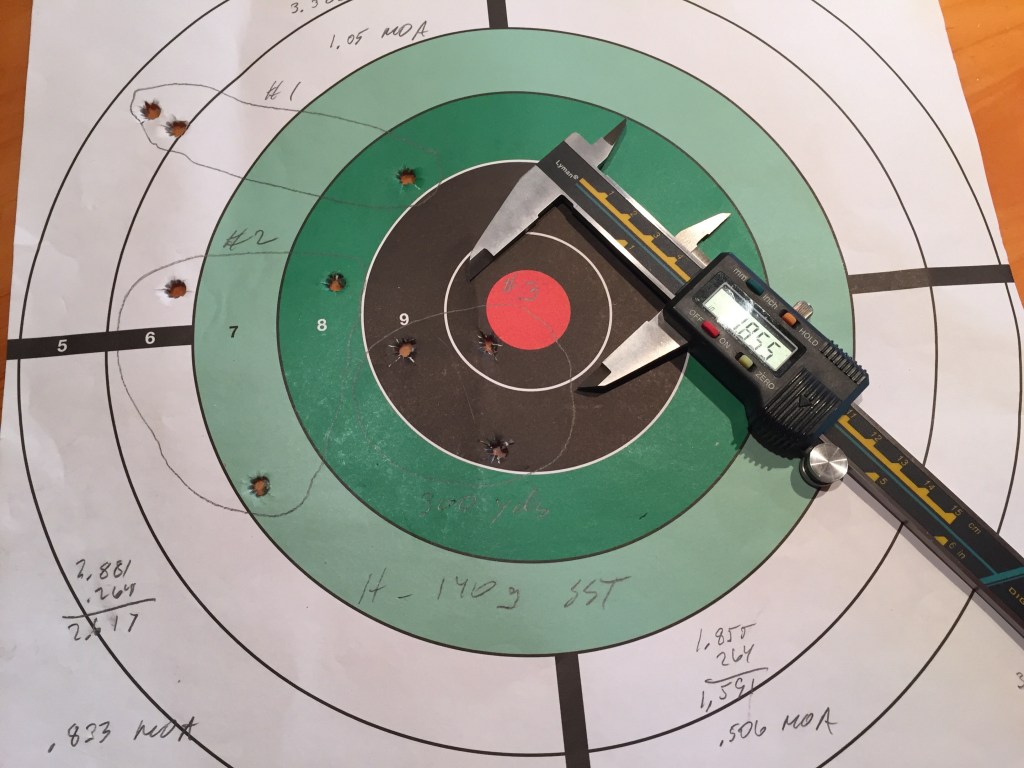
Two sighters, then three vertically. OK! We can work with this. Then a dining room table picture to show 1 MOA:

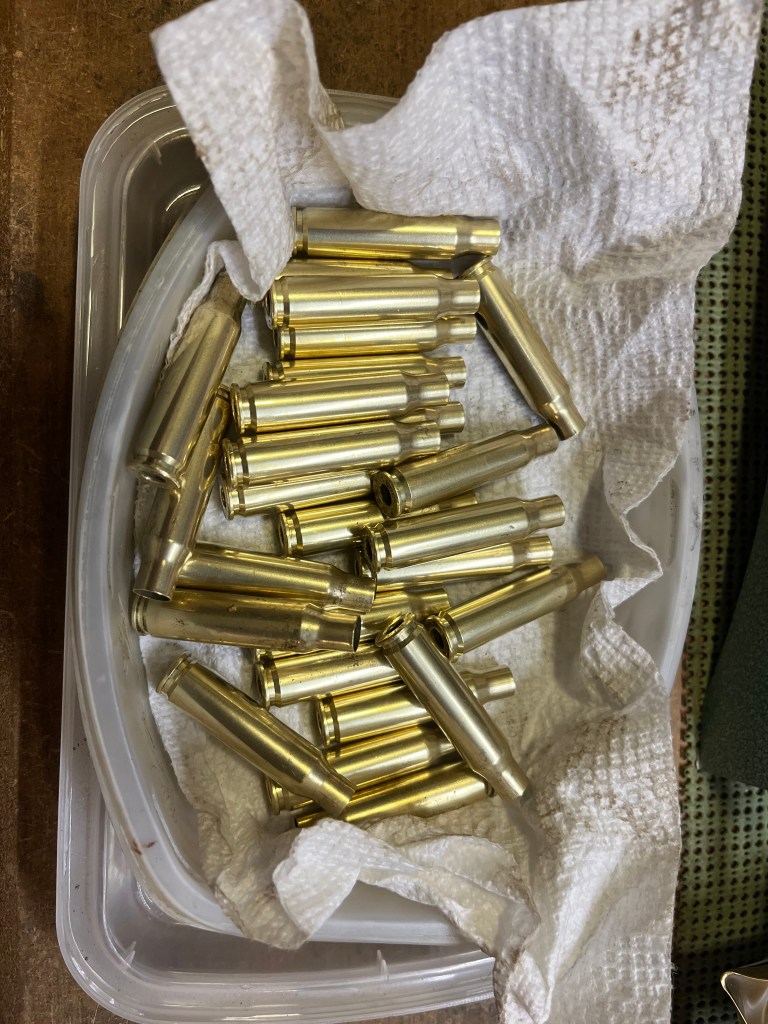
And I shot Federal Premium until I had enough brass to start reloading.

Now we are cooking.

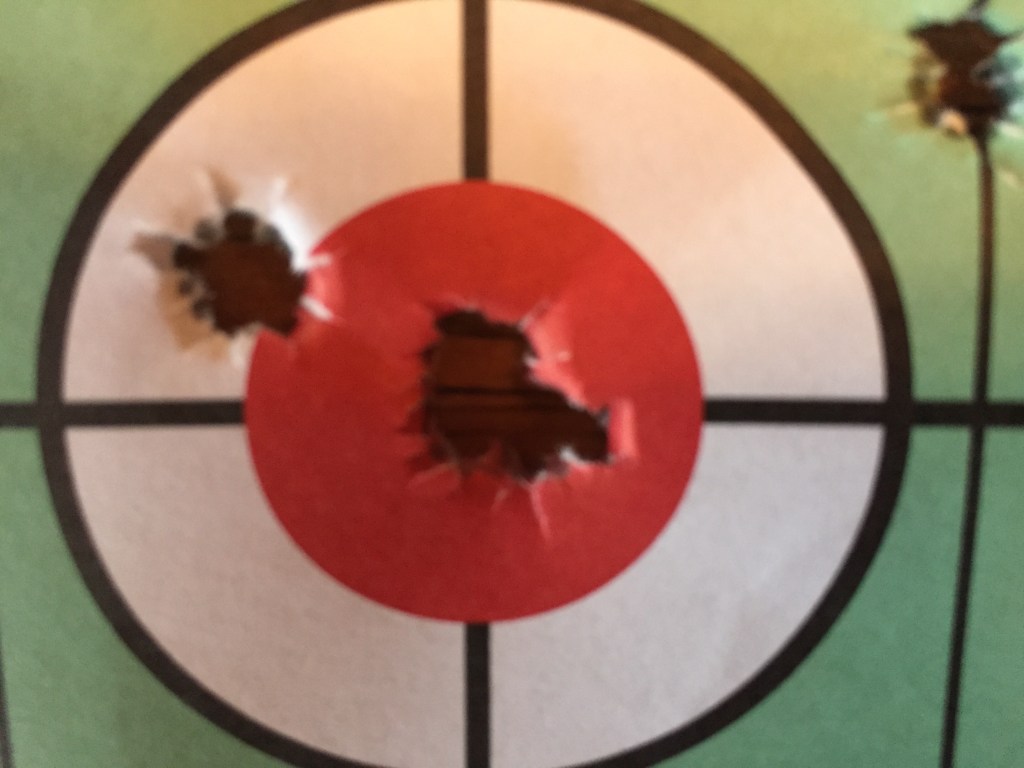
Ooh! A quarter MOA.

And at 300 yards?

Yep, fairly accurate. Tomorrow, we’ll talk about upgrades. And then maybe some long distance shooting?

What the heck is an “Aspirin Shoot”?

Well, d’oh. You get up early in the morning and scout those little rascals and blast the heck out of them . .

Really, though, you have to get up pretty early in the morning to claim your favorite shooting table at the club. The rock solid one that gives you the best angle on those little devils.
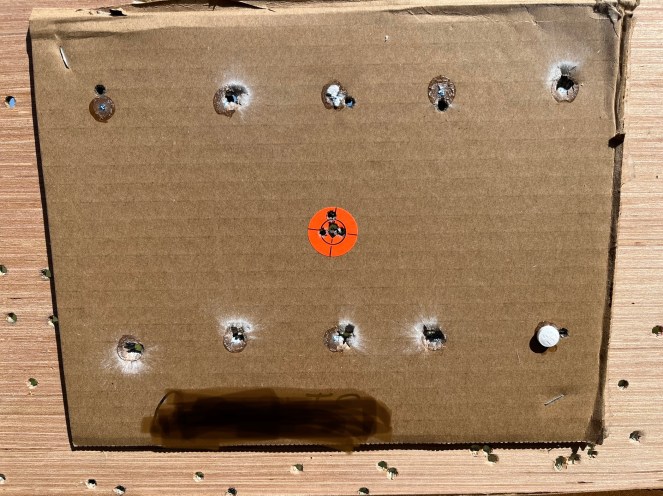
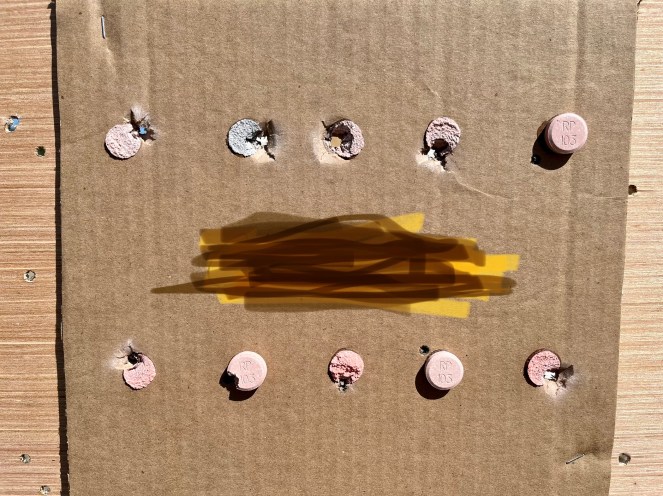
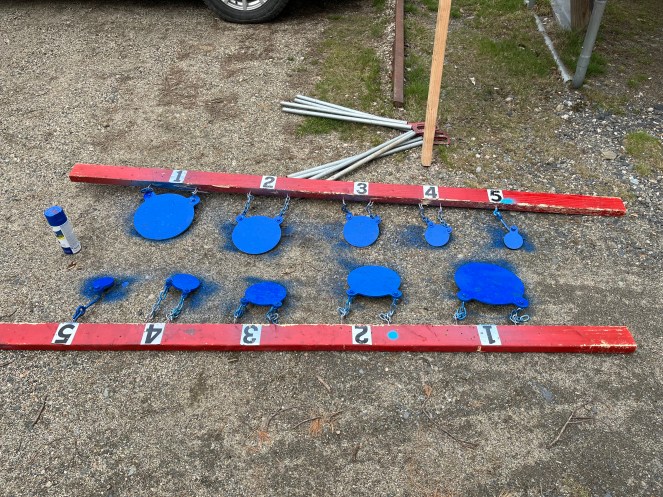
Here is the course of fire: Aspirin at 50 yards. Tums at 100. Know Your Limits steel at 150. Same at 200. .22 caliber only, but any rifle you want. Bipod and rear bag only.

10 aspirin on your individual cardboard target. One fluorescent sighter target. You may take up to 10 sighter shots, but once on the aspirin, you cannot go back. One shot per aspirin. If the round touches any part of the aspirin it is a hit. Yes, black wax streak on the side is a hit. Max score of 10.

Same thing at 100 yards with Tums. Word to the wise – this is the hardest stage.

At 150, the 5 hanging KYL targets start at 8” diameter and go down to 2.5”. You must hit each target before going on to the next. Once you hit the smallest one, you keep shooting at it.

200 yards is the same. So max score possible is 40 points. On a great day the winning score is 32-34 points. On a cold winter day in blowing snow, low 20s will win.
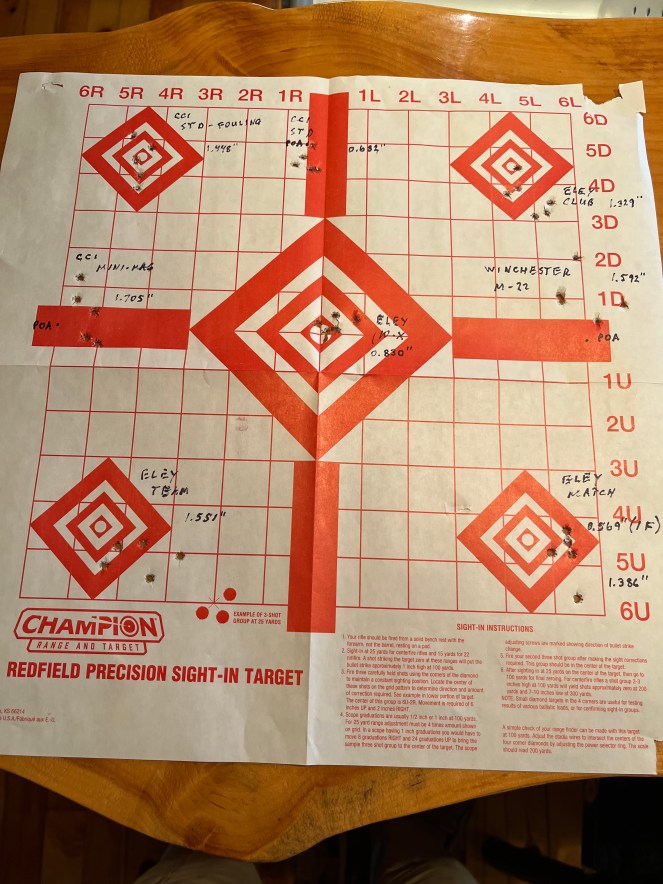
So what rifle do you use? At least at our club, everyone started out with Ruger 10-22s, and shot CCI Standard. But is wasn’t long before ammo changed to Eley, SK, Wolf, and rifles changed to CZ, Ruger

Precision Rimfire, and the like. My own upgrades were the Christiansen Ranger and the Ruger Precision Rimfire.

Let’s take a look:

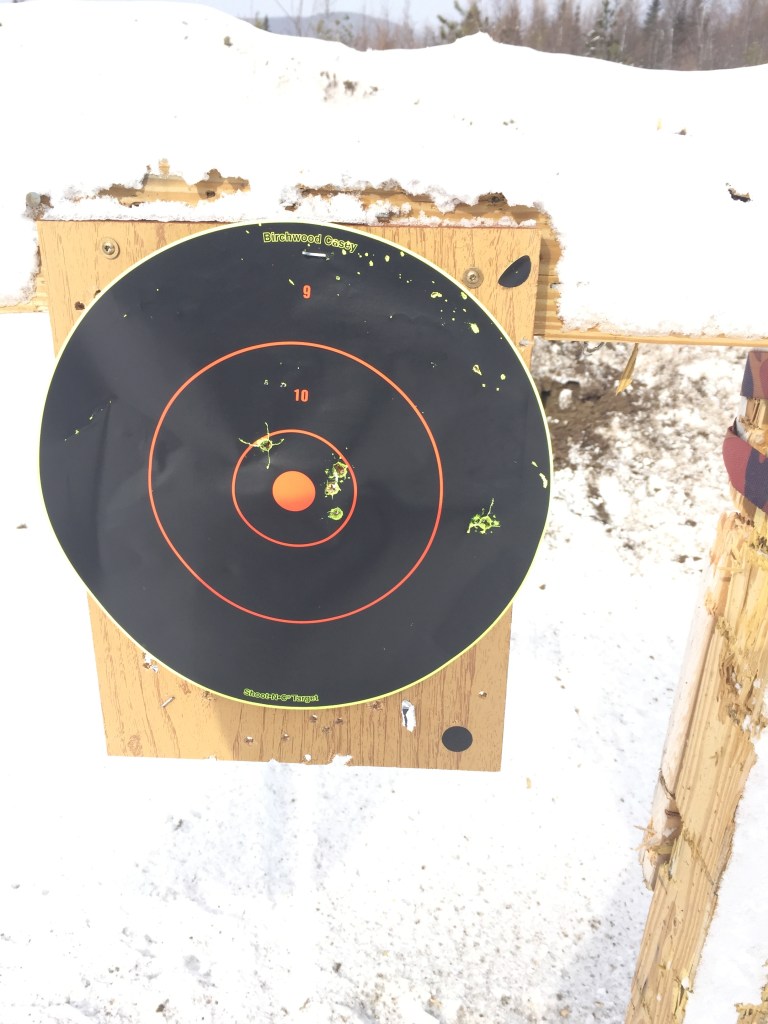
This is the best I’ve shot. 9/10. Pretty sure won that day with a 34.

Tums are tuff. At 100, wind really kicks in.

An 8 will keep you in the running.

This is what you are shooting at.

And it looks like this:

Some people say that .22 at 200 yards is similar to large caliber at 1000. I tend to agree. The .22 LR is an anemic round; it gets pushed around by the wind a lot. But it’s been around for a hundred and fifty years and is arguably the most popular caliber. It is hard to shoot well at distance.

But would you stand there and offer to be a target? I don’t think so.

Accurizing the Ruger 10-22, Part 5

A quick recap to see how we got here:

  1. Barrel free-floated.
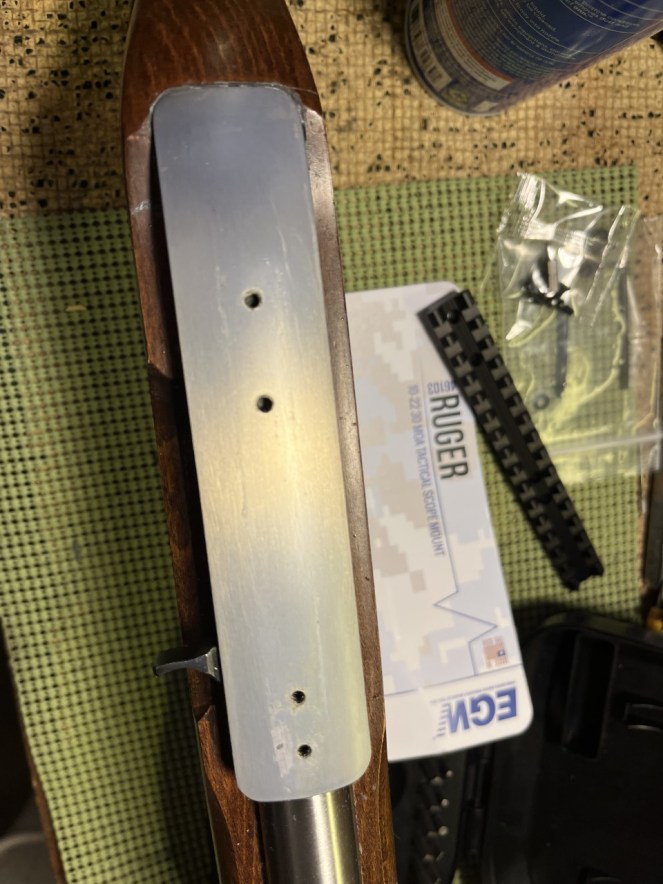
  2. Receiver bedded.
  3. Pillar and new escutcheon bedded in place.
  4. New trigger group installed.
  5. New action screw to receiver torque-tested.
  6. Receiver tune-up parts installed.

At this point I’ve put about $150.00 and many man-hours into the project. My initial conclusions were that I had increased accuracy somewhat, and that it was a fun project. But final testing after finding the proper torque on the pillar-bedded rifle showed a significant improvement – from over an inch at 50 yards to just over 1/2”. For a stock 20 year-old Walmart-purchased Ruger 10-22, I’ll take that.

However.

Before I had figured out the absolute criticality of torque on the action screw, I was getting such inconsistent results that I thought that I’d just order a new barrel. I also wanted to shoot suppressed; therefore it needed to be threaded. Off to Green Mountain.

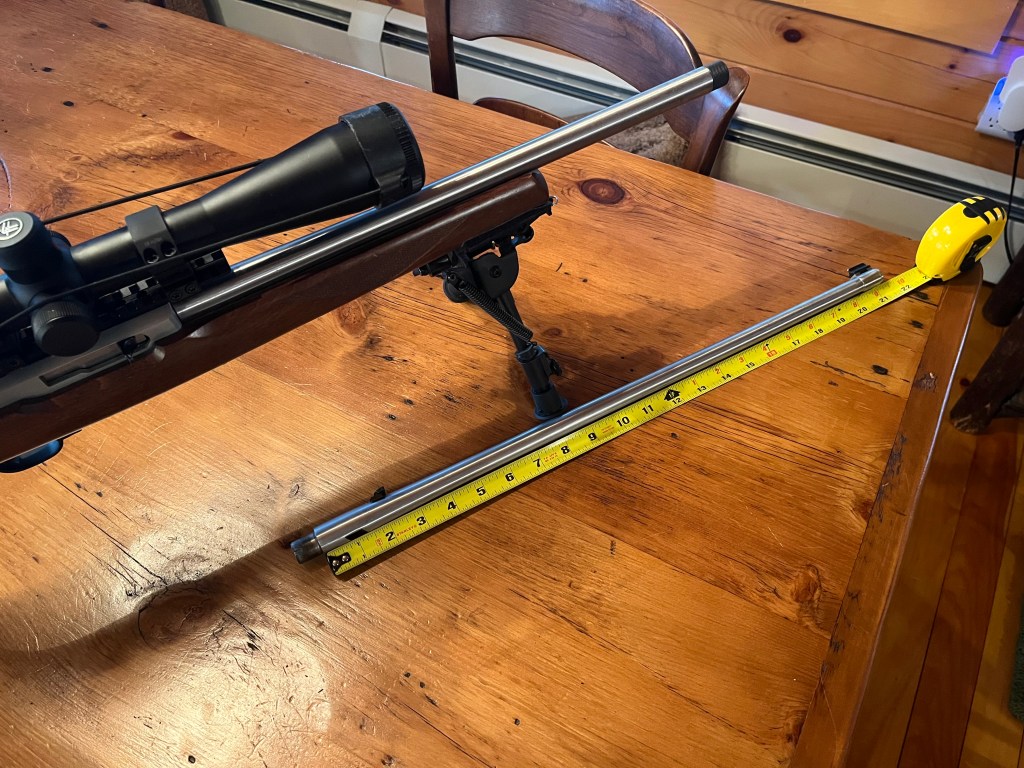
Now, the original barrel is stainless, 21”. There is constant discussion about the perfect .22 barrel length – 16, 18, 22”? My Aspirin Shoot rifles are 16” and are under 1 MOA. I decided to try the Green Mountain stainless, threaded 16.25” bull barrel.

But to install it, we have to change our bedding.

Off to the range!

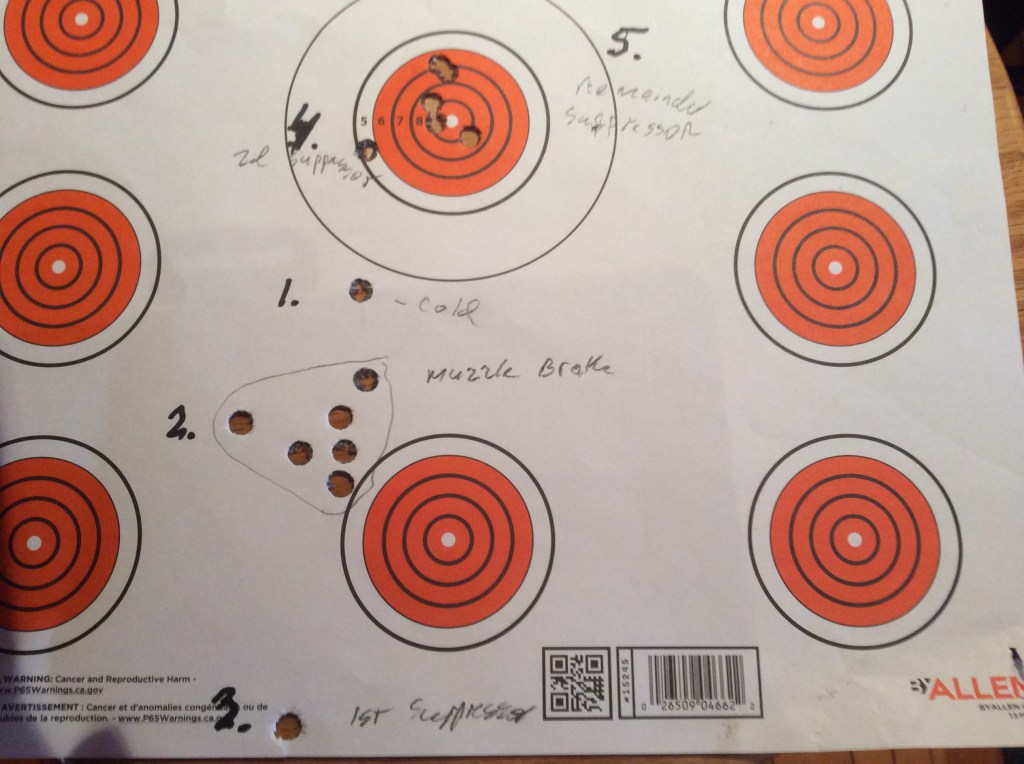
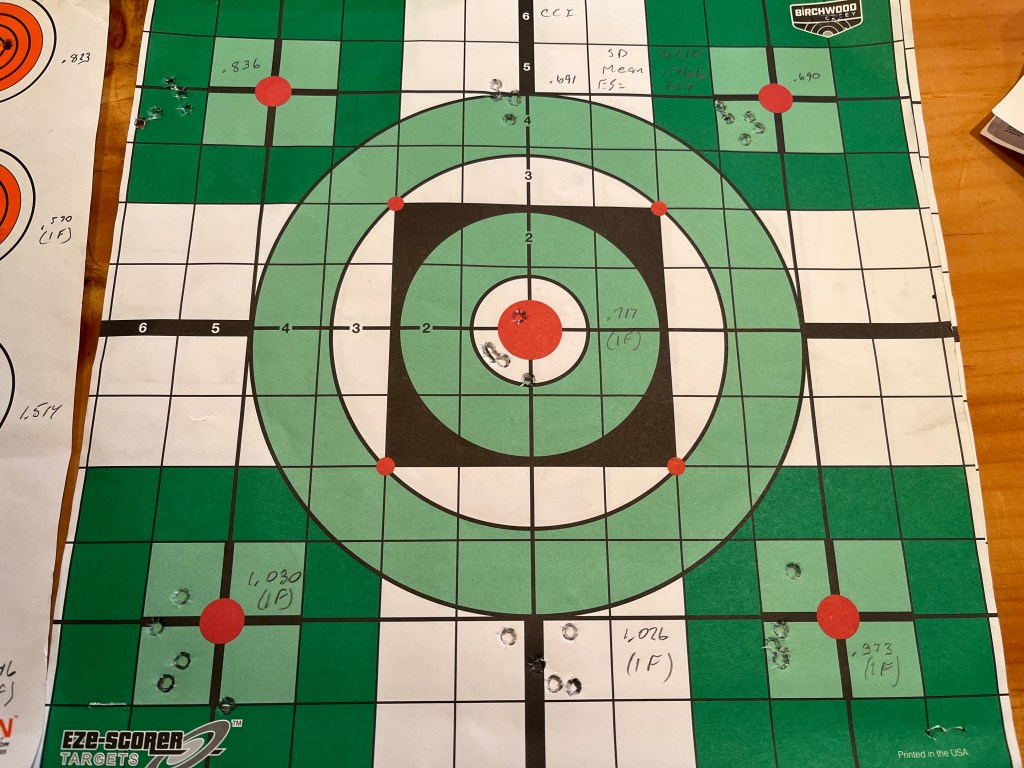
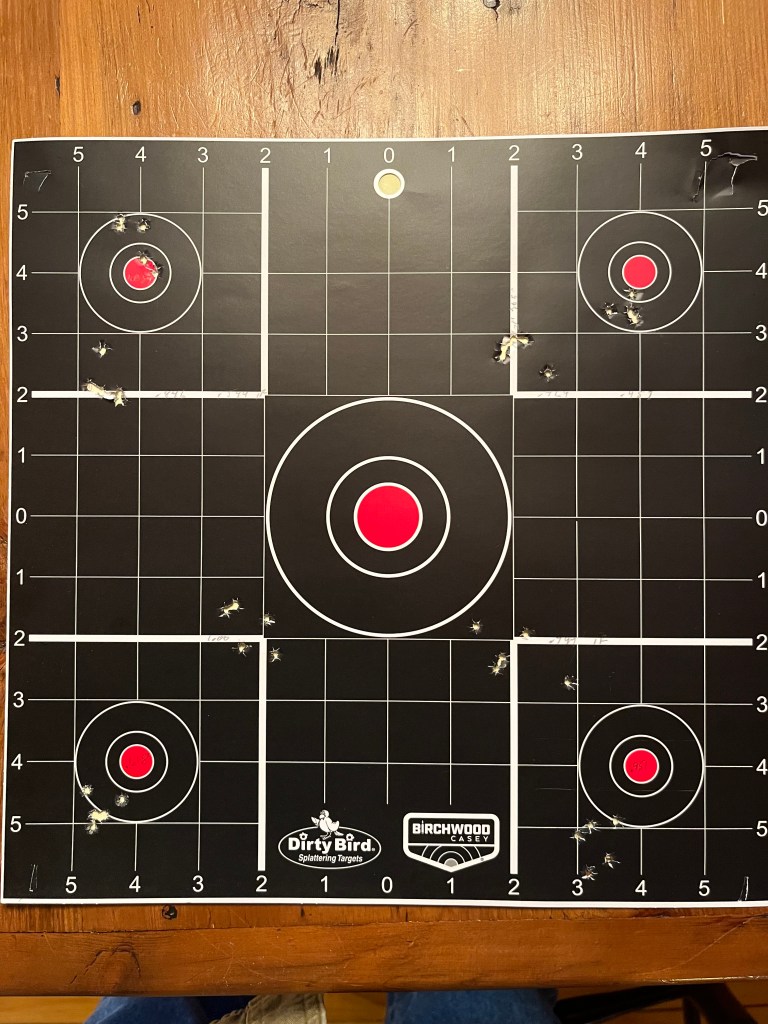
Sorry, the Dirty Bird targets don’t splash with .22. But unsuppressed we get groups of CCI Standard – .846, .544 1 F; Wolf – .457, .346 1 F; SK Rifle Match – .618, 1.00; and CCI Green Tag – .861, .744 1 F.

Suppressed is a little easier to see. We get CCI Standard at 1.126, 1.207 1 F (ouch!); Wolf – .343, .615 1F; SK – .658, .847; and CCI GT – .861, .645 1F.

Looks like my old standby, CCI Standard is out of the running, at least when suppressed? But all in all, the barrel seems to perform very well with some ammo and decently with other. My one regret is that the rifle no longer feeds Eley ammo. That stuff is superb in my Aspirin Shoot rifles. Unfortunately, it has a flat nose with a little cone in the center (patented!). The flat nose catches on the chamber edge and turtles.

And that’s the end of this story. 😇 Don’t worry. There’s more. Much more. Can you say “Aspirin Shoot”?

Accurizing the Ruger 10-22. Part 3.

Yes, she’s shooting pretty well, but unintended consequences rears its ugly head: the pillar raises the barrel a bit more up off of the fore-end, so the scope zero has now gone much higher. I’ll need at least a 30 MOA ramp to bring it down.

Well, 30 MOA didn’t cut it. Turns out I needed much more. So I grabbed the old 20 MOA ramp and commenced to filing. Comes in at about 45-50 MOA.

Now that’s a ramp! However . . . The forward mounting screw now sticks down into the receiver and binds the bolt enough to keep it from going into battery. Hmmmm. That’s what dremels are made for.
But now I have the MOAs to shoot at 300 yards with no hold-over.

Looks like this rifle likes CCI Standards for regular chow (although I know she like some brands of match-grade ammo for dessert). More on that later.

She sprays most other kinds. Looking at past data, CCI Standard groups have gone from an average of 1.71” at 50 yards to 0.682”. That’s down 0.489”, almost a full half inch and 1 MOA! Accurizing successful, so far.

But from a low of 0.373” and a high of 1.03”, both with a flyer, I’m still not completely happy. Almost time for a Part 4.

Have you ever wondered about how to make your Ruger 10-22 more accurate? Part 2.

So how did she shoot after our first accurizing steps?
Terrible. All over the place. What gives?
As it turns out, torque on the action screw dramatically affects point of impact and group size. So, back to the range with my Wheeler Engineering FAT wrench.

10 inch pounds to 25 inch pounds, and group size from .466” to 1.421”, a huge difference, but with accuracy nodes at about 13 inch pounds and 20-23 inch pounds.
So far, so good. On to pillar bedding (which i probably should have done first).

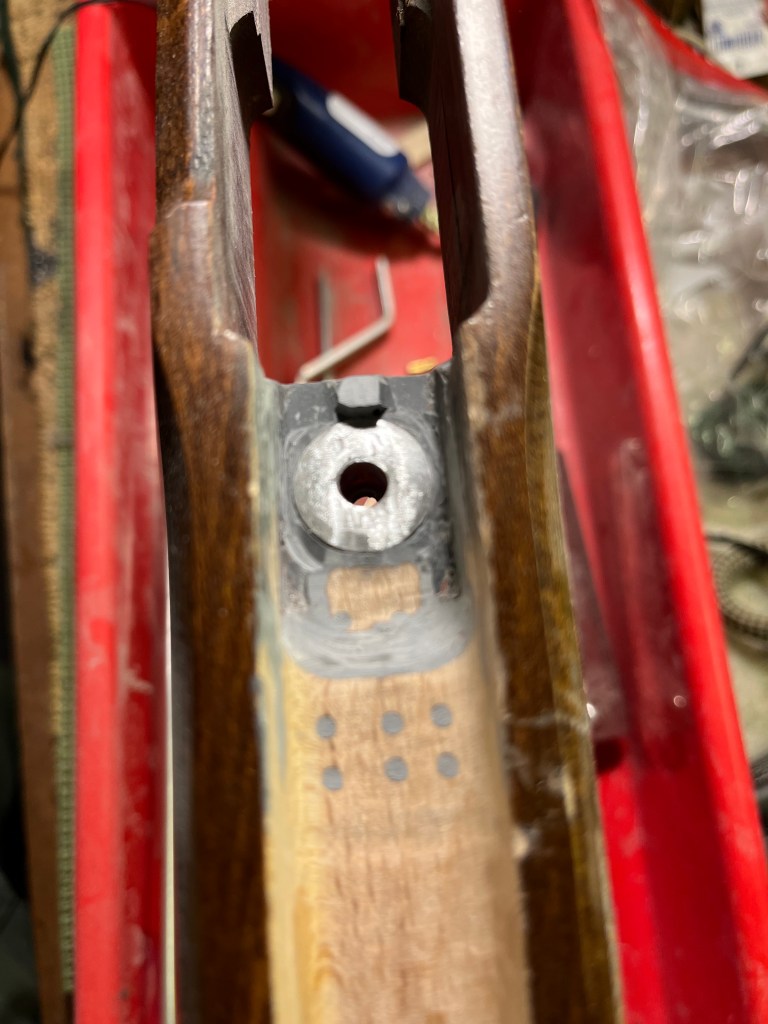
The pillar is sort of the shape of a flattened mushroom with a hole through it.The top surface of the pillar should sit at or slightly above the wood where the receiver normally rests, and the bottom goes through the stock to a new escutcheon. The pillar and escutcheon are glassed in place to become a permanent part of the stock. The new action screw now pulls the receiver down flush to the pillar – metal to metal so no compression of the wood in the stock.

First, scary cutting with drill press, levels, etc. Then Forstner drill bit cut. It fits! Glass in place.

About 1/2” 5-shot groups at the nos. 7 and 6 with CCI Standard.

Yes, I’ll take it. But there’s more in Part3!