Wad did you say?

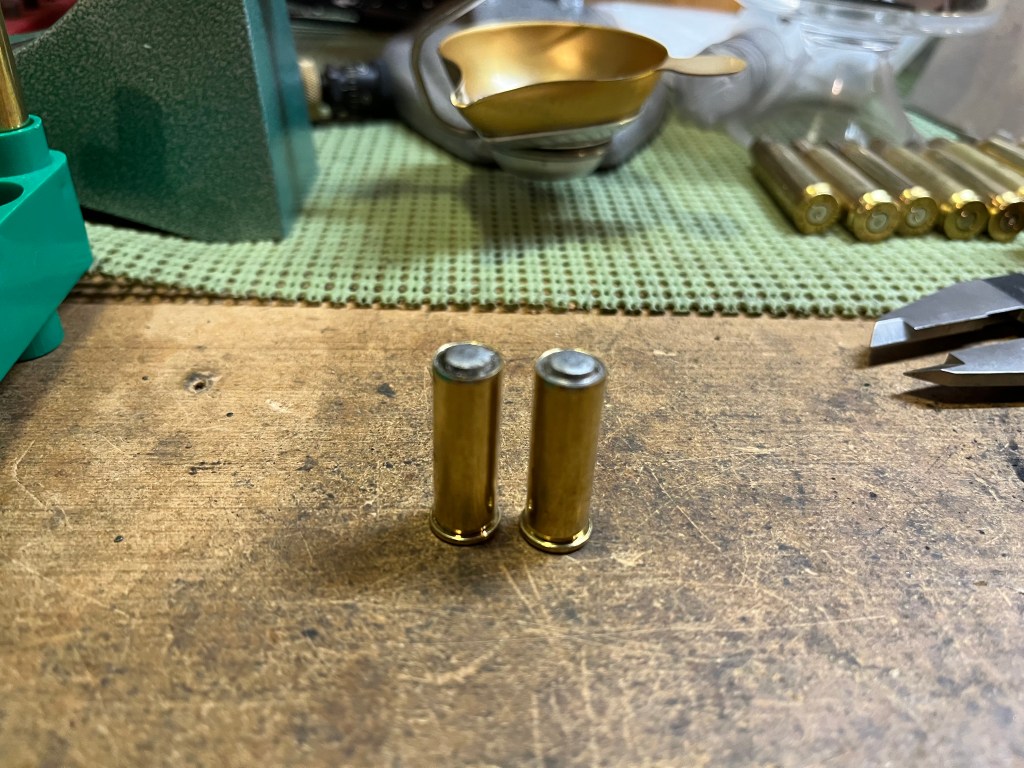
A few weeks back I mentioned Wadcutters as a type of bullet. I had a box of same down on the bench, old Speer with the lube wax dirty with age. I loaded some up today. The Book says they do best at 900 fps – that works out to 3.0 grains of Tite Group:

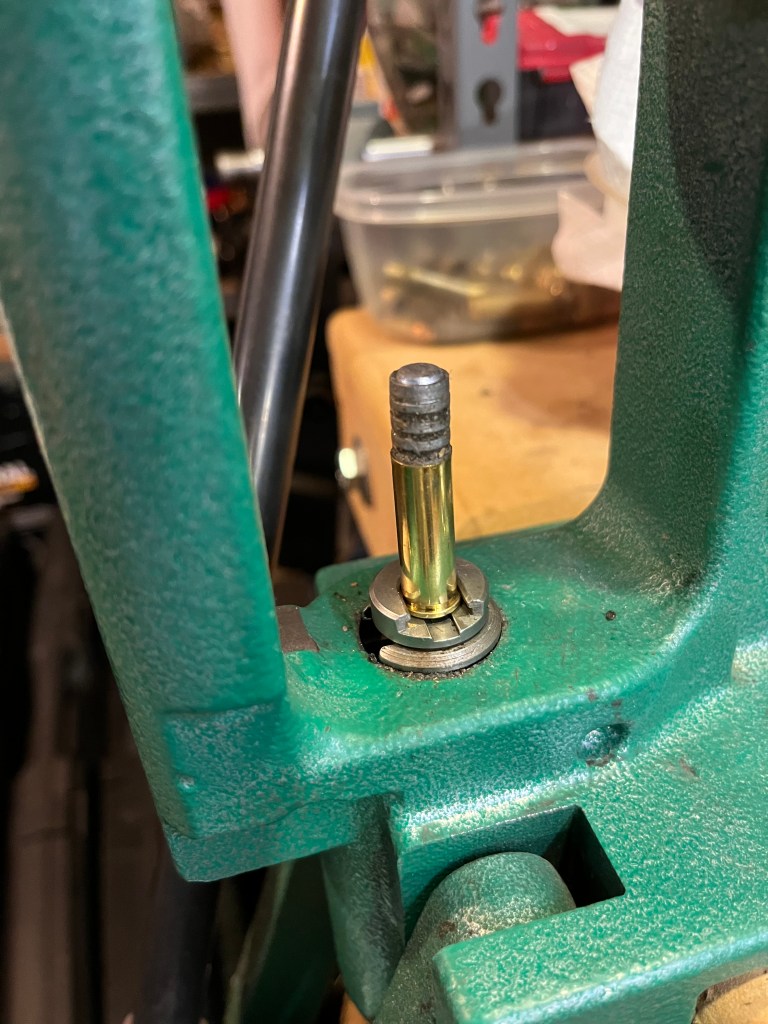
Wow. Not much compared to rifle rounds. That’s barely going to cover the bottom of this new .38 Special brass. Ripe for double or triple charge mistakes. We’ll be very sensitive to quality control.

Before and after.
And does it punch nice clean holes in paper? Yep.

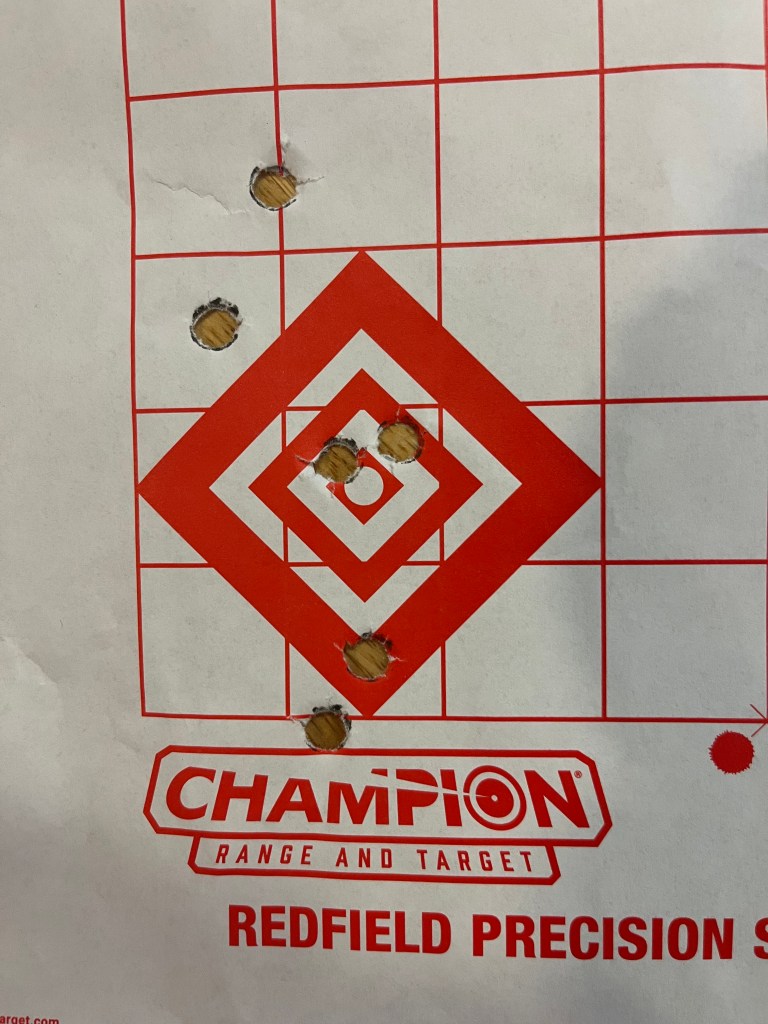
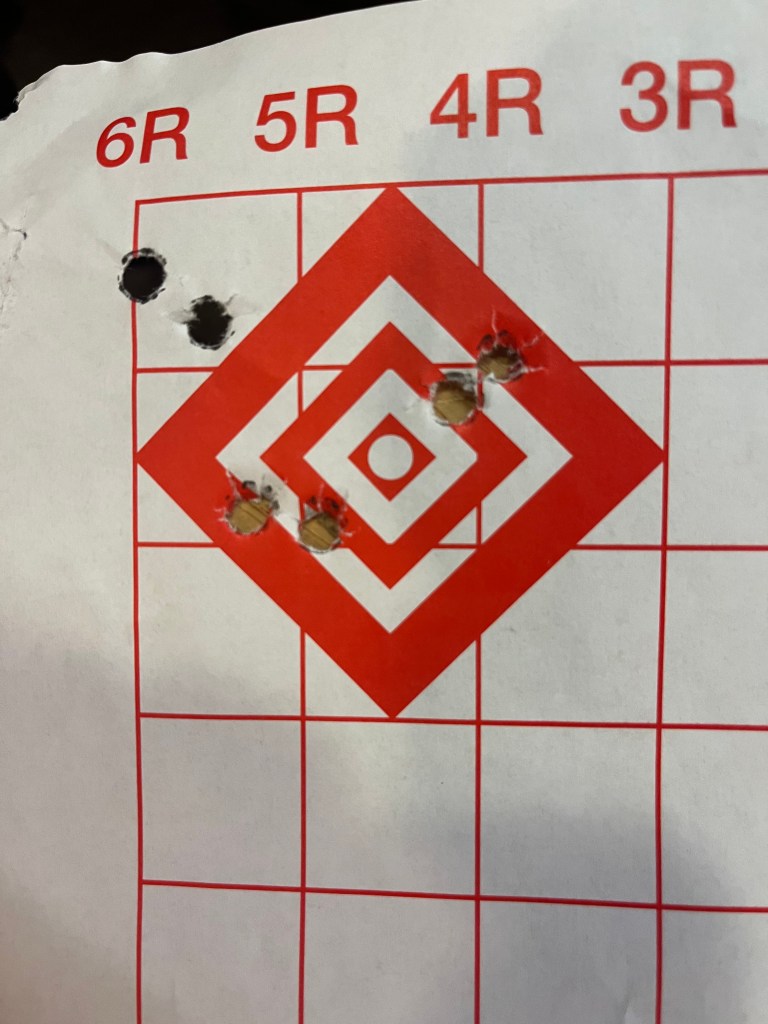
Upper left at 25 yards is 6 rounds out of the 4” barrel of the Taurus; the rest from the 2” barrel of the colt. 842 and 795 fps respectively.
It would have been nice to shoot some 3, 7, and 10 yard groups, but the Action Bays were being set up for an IDPA match.

Lessons learned? Yes, size your new brass before reloading. Pretty tight, otherwise. Live and learn.
Moar Big, Beautiful Boolets.

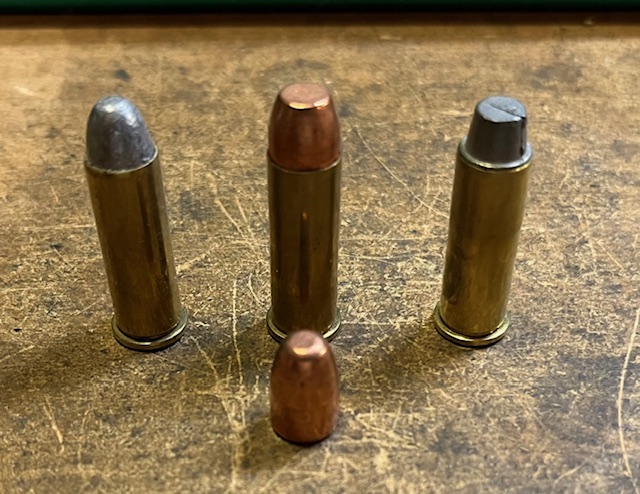
Let’s take a look at some traditional golden oldies. .38 Special has been around since 1898. Here are some different assorted Freedom Pills:

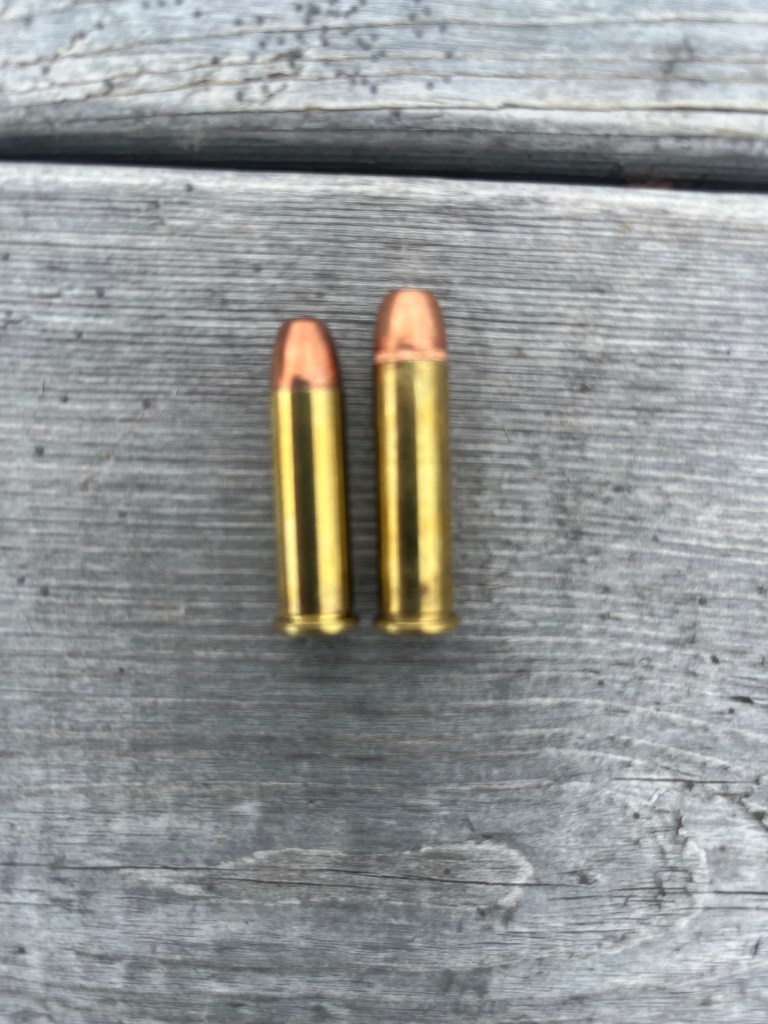
Left to right: LRN – Lead Round Nose. FN FMJ – Flat Nose Full Metal Jacket, with the more traditional RN FMJ – Round Nose Full Metal Jacket- in front. Then LSMWC – Lead Semi Wad Cutter.

So, some new concepts. Flat nose bullets do a couple of things – they make a nice neat hole in paper instead of the sometimes ragged one that round nose bullets make. They also can fit into slightly smaller sized magazines. I’m thinking specifically of .357 Sig, which shoots a flat nosed .355” bullet out of a necked-down .40 Smith & Wesson cartridge. Both .357 and .40 rounds are flat nose and fit the same magazine.

Next new term: what the heck is a “wad cutter”? Imagine shooting a bullet through a phone book (oops, later generations may have to Gurgle that term). A wad cutter neatly cuts a wad of paper. It leaves a very clean hole in paper targets and, lore has it from older cops, people targets. Pictured above is a Semi Wad cutter because it actually has a bit of a bullet nose on it. Below is an actual Wad Cutter with a standard round nose bullet for comparison:

Wait till you see the next round (hah!) of bullet choices!

Side note

Now what do you think this was all about?

More clues.

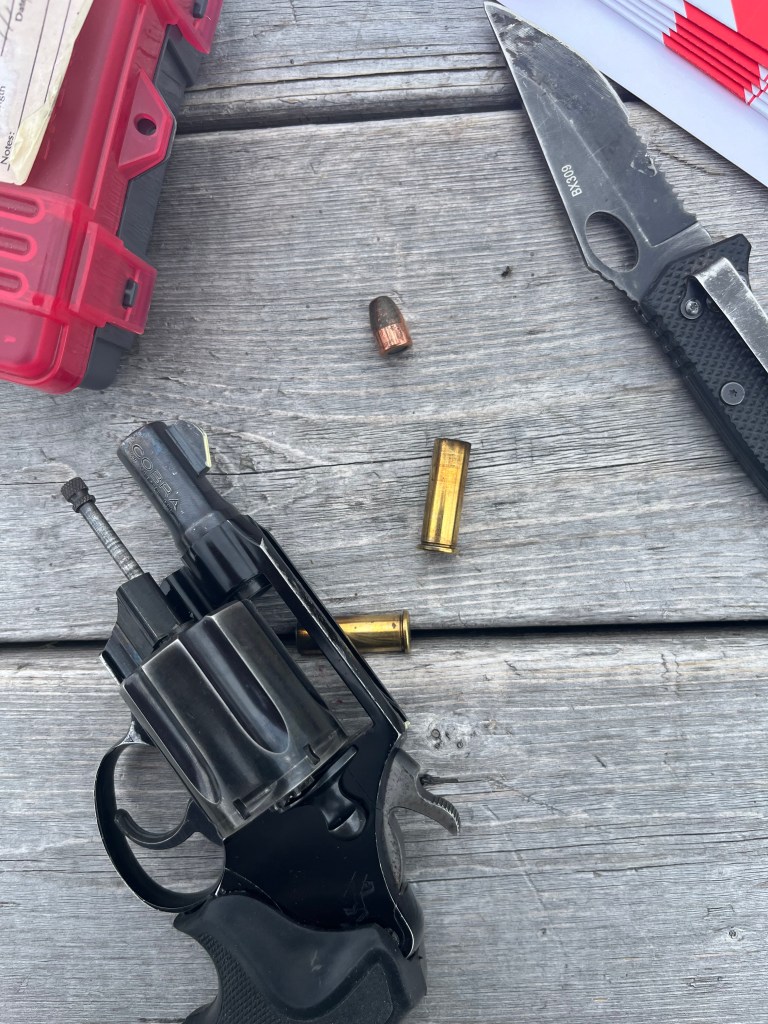
I had not shot .38 Spl in a while. I grabbed the big ole box of UMC and assumed that I was firing all factory ammo. When I looked at the spent rounds, though, the primers were different colors. I suspect that I had topped off one of the factory boxes with some hand loads.

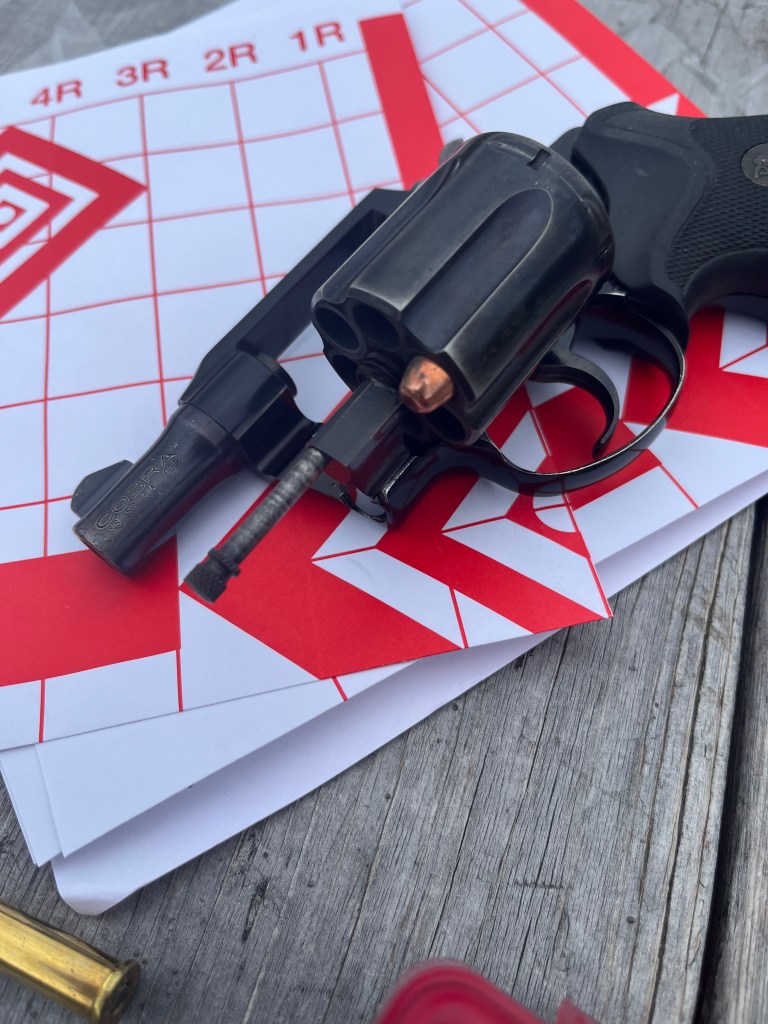
I told you that snubbies are snappy, right? Evidently the recoil from one round was sufficient to unseat a (poorly) seated bullet enough that it partially launched forward. You can see the powder burn on the side of the bullet closest to the forcing cone’s blast. And those are just scrape marks on the side of the bullet, not rifling marks.

And apropos of nothing, did you know that Colt and S&W have opposite revolving cylinders? And that the cylinder latches release in the opposite direction?
And who cares? Well, if you want your hammer cocking to advance the cylinder to a particular bullet, you’ll need to know what direction it revolves. Try it at the range – you’ll see what I mean. The reason I knew I had a malfunction was that the cylinder would not rotate into position. For an obvious reason, once I looked.

Next, midrange calibers for semi-auto new(er) shooters.

Back in the saddle

Ok, sekrit mission over (plus a couple of lazy days).

When last we visited our (no longer) Beginner and Boomsticks, we were looking at intermediate handgun calibers. Brief aside:

This is the old S&W Model 10 knockoff I’ve been shooting. Isn’t that a beautiful holster? It was a Christmas gift from my BIL some 50 years ago. BUT, before he could buy it (in the People’s Democratic Republic of New Yorkistan), he had to give them the serial number of the gun (at that time in Fort Campbell, Kentucky). RYFKM?

I think we left it on a remonstration that you should not have your sweetie get a snubbie in .38 Special, even though it would fit in her purse nicely. Let’s tale a look.

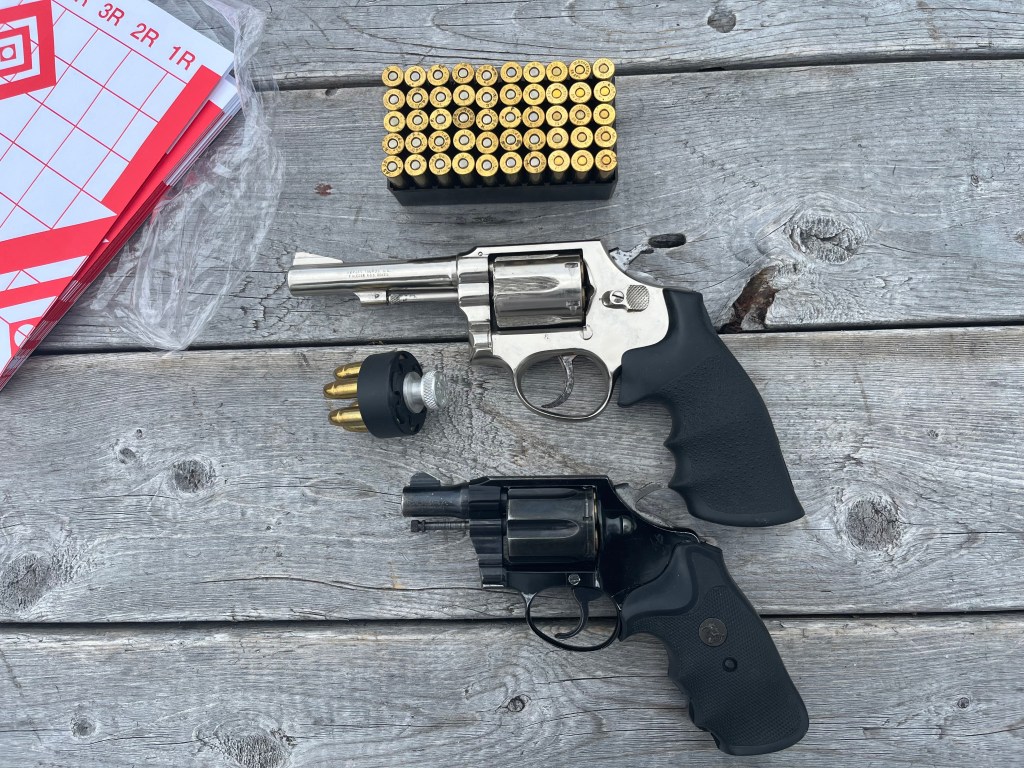
The lower is a Colt snake gun (Cobra? I’m feeling lazy), with a 2” barrel. The original tiny wooden grips have been replaced with Hougues. It shoots the same .38 Special round. But compared to the larger, heavier gun, it is way more snappy. And accuracy suffers.

Snubbie on the right. Even in my Trump-like beautiful hands, it is not particularly comfortable to shoot. And, it has a really small sight radius (distance from front to rear sight), making accuracy difficult. Why burden your sweetie with all the negatives just so it will fit in her purse? You want her to enjoy shooting so she will practice and get competent.

Rotating back to Revolvers

By now, our aspiring Bangstick Beginner has expended numerous rounds through .22 rifles, pistols, and revolvers. They may have dabbled in shotguns (against previous advice). What is the next step?

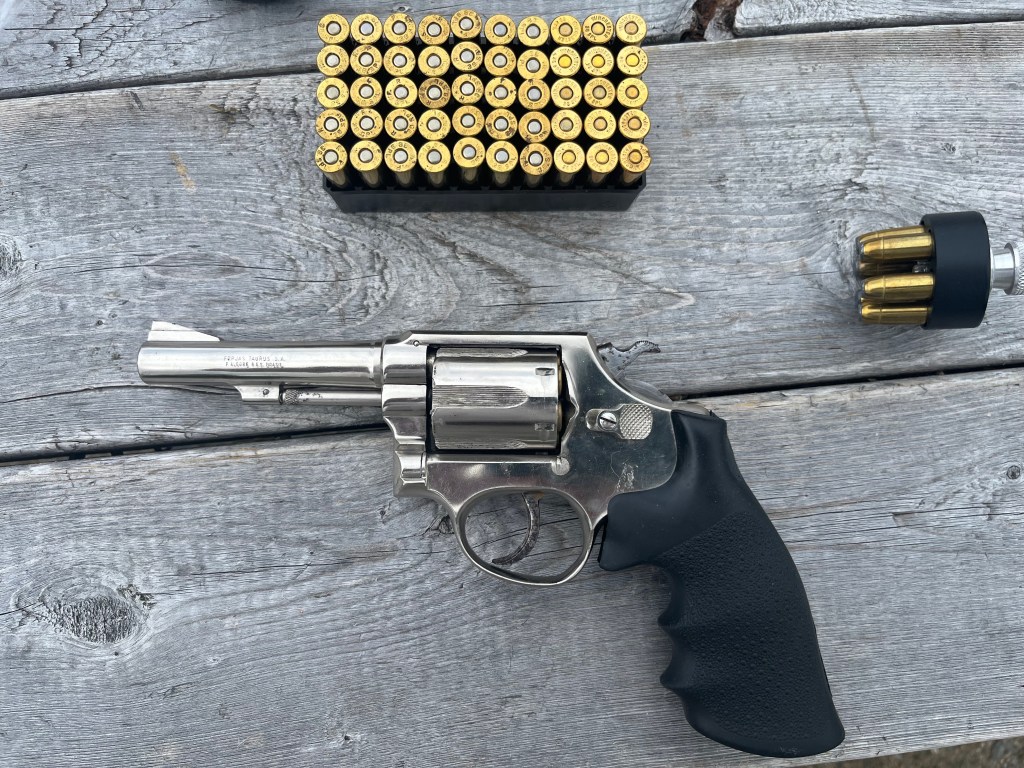
Let’s get back to handguns. What is a good progression from .22 in a revolver? How about .38 Special? This is a S&W Model 10 Air Crew revolver knockoff by Taurus. It, too, was purchased just off Ft. Campbell grounds about a half century ago. It came in blued and chromed.

I replaced the original skinny wooden grips with Hogue grips ages ago. They give a much firmer and hand-rounded grip when firing. Nonetheless, this has always shot a bit left of target. I compensated automatically.

Warm-up shots. Let’s see if I can do better.

.38 Special is a mild recoiling round, and was a police standard for ages. A new shooter might want this as an intermediate step before going on in size. Such as .357 Magnum. Why the big leap? Well, .38s fire in .357 just fine. You can have an awesome defensive revolver in .357, but shoot .38s in it for practice. Note the difference in size. The .357 is an eighth of an inch larger and will not fully seat in a .38. Great safety factor.

Tomorrow we will discuss why you do not get your new shooter a .38 “snubbie”. No.

Bad juju!