
We are now really cooking. QR code gives range and target size for every thing.
Cats, Guns, and more. What’s not to love?

We are now really cooking. QR code gives range and target size for every thing.

No. Do not ascend Mt. Washington In sneakers. At any time of the year. 20 ill-prepared hikers were just rescued from the summit.


Yeah, remember last spring?

Shot the sh*t with some buddies and buddettes. Spotted for some shooters from beginners to advanced. Smiles were had.
But coming home to this is just fine:

that you carry a spare mag? I apologize. Well, no, I don’t.
Look, when I go out my front door, I do not expect to be in a gunfight. At the same time, I realize that there is a non-zero chance of the same. My EDC is a tiny .380 ACP with a 6 round mag, plus one in the chamber.
Now, think to yourself, how fast can you go through 7 rounds at the range? Mere seconds, I’m sure. And, if you were in a gunfight and it had not ended yet, how would you now feel?
Of course, maybe you carry a 9 mm with a 15 round mag. If so, you’re probably ok. Unless there is more than one opposing shooter. You get the point.
So, EDC of carrying an extra mag: loose in pocket? How about a low vis belt holder like this?

Or this?
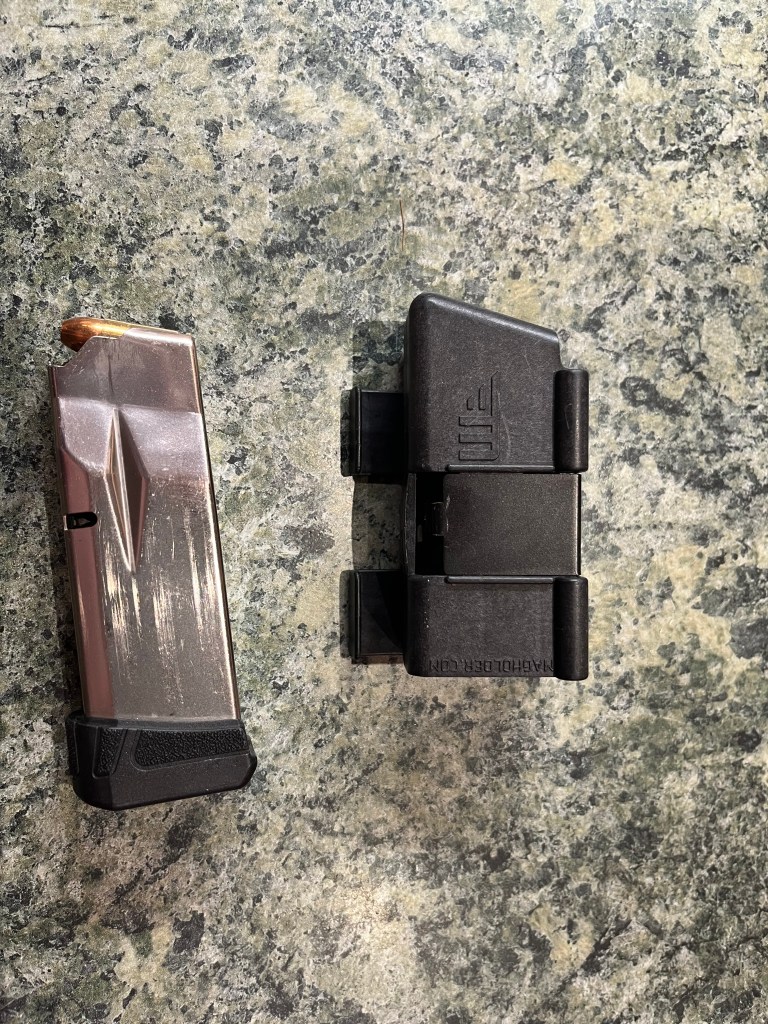
Or even a discrete Snag Mag like this?
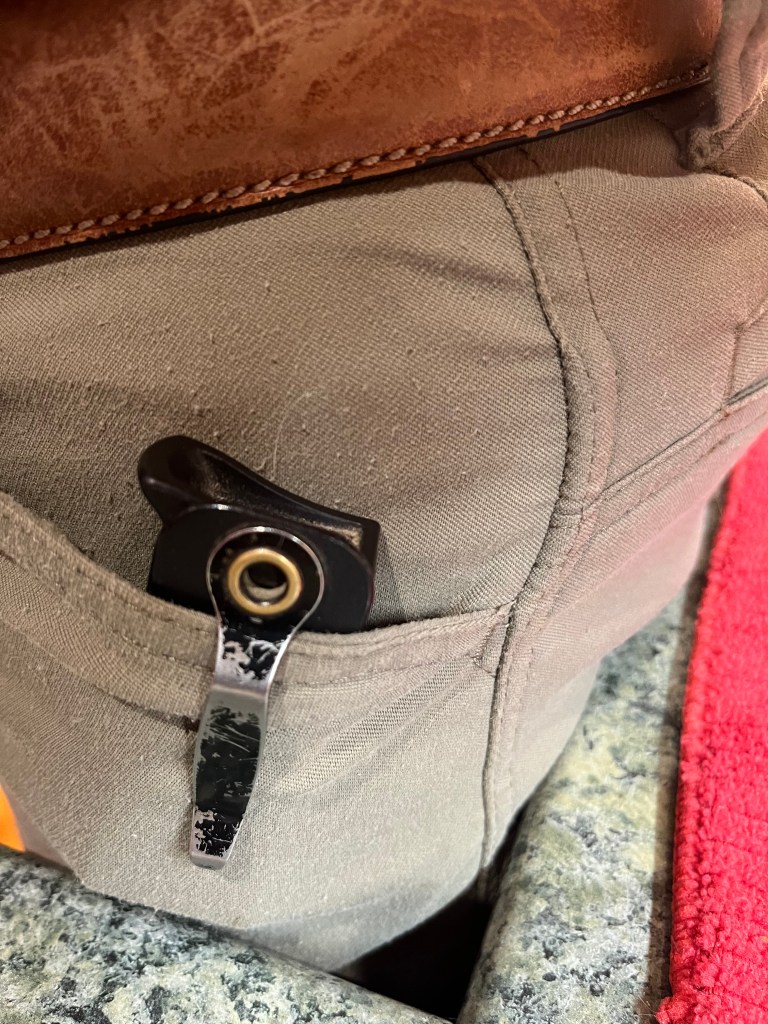
There a lot of options and no excuses. Just do it.
So, I’m headed to the Republic of Tejas to go shoot some sh*t. I pulled out a couple of handguns for cleaning. Which I did. I was surprised that my favorite briefcase gun, a Glock 32 in .357 Sig, showed signs of lube hardening on the rails. Of course, that one gets carried, but only shot at specific times. I happily cleaned it!
After cleaning that, plus my Sometimes Daily Carry, the Ruger Max 9, I remembered that I had not cleaned my EDC, the Ruger LCP, in quite a while. This is where it gets embarrassing.
Understand that when I say “Every Day”, I mean it: driving, walking, riding a lawn tractor in xtreme dust conditions, everything.
I unholstered it and blew out the expected pocket lint. But that was not all. It looked like it had been through the dyer with all the lint. Plus, dust. Really bad.
I had been having dreams that, when I needed it, it fell apart. Perhaps my subconscious was talking to me? Ya think?!
Lesson relearned.
Let’s get to the learning opportunity. Dust and dirt. In your EDC.
How many of you carry a spare mag? Do you carry it loose in your pocket like this?
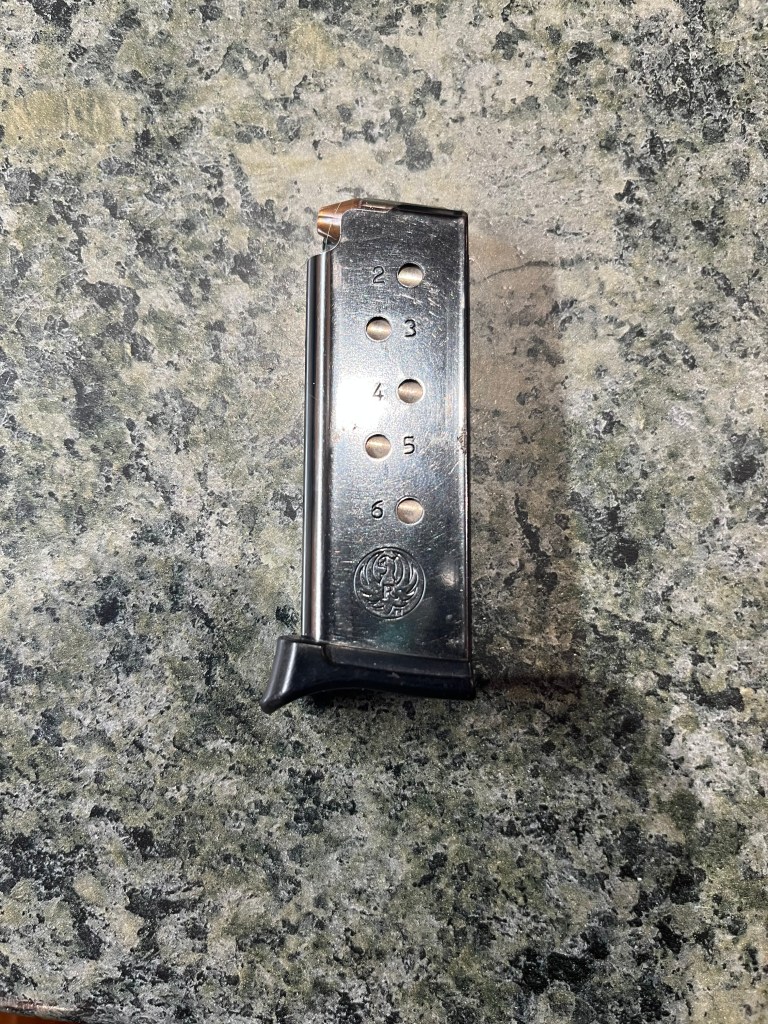
Or, are you a little bit smarter and do this:
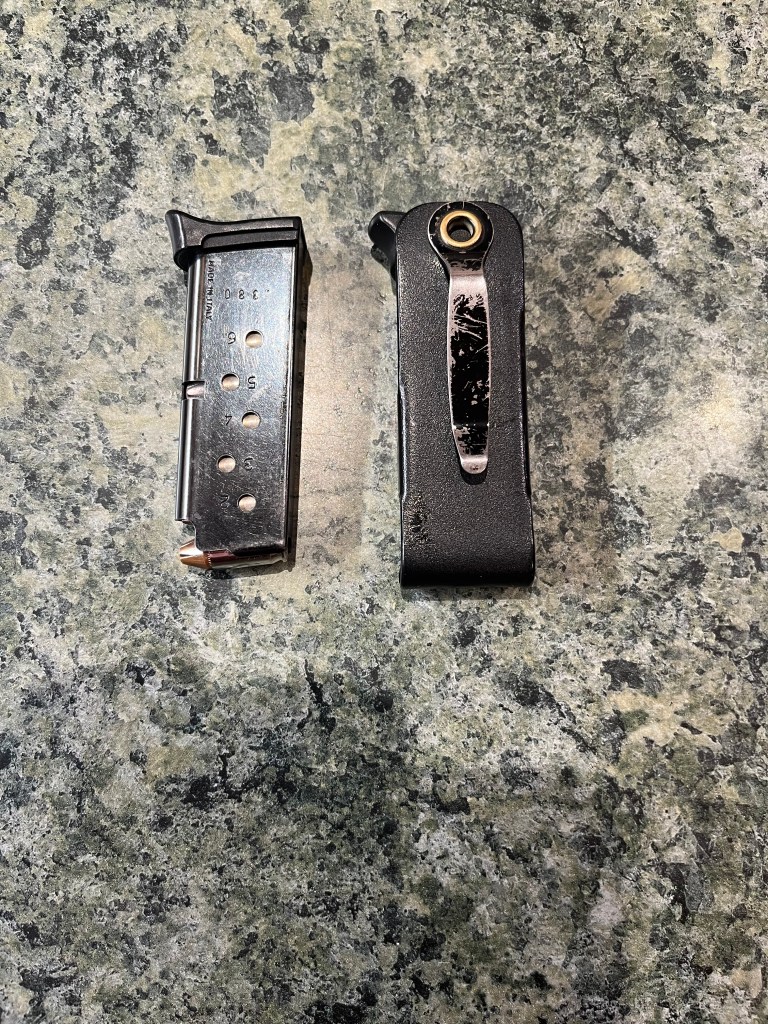
Tomorrow we’ll talk about proper mag carry. Believe me, you do not want belly button lint, etc., to foul your feed.
I can’t believe that it has been almost two months away from the range. Down in the People’s Republic of Massachusetts, I have zero chance to shoot, at least recreationally.
So today I went to warm up muscle memory.

Ruger Max 9. Not my EDC, but my Sometimes Daily Carry. I made a change to carry it with one in the pipe, on safe. My EDC is a double action only with a loooong trigger pull, so I have no compunctions about carrying with one in the chamber. So, just getting used to a change.
Today I did 25 yard, two hand, strong hand and weak hand, using the red dot with both eyes open. About 80% hits on steel, which I’ll take as a good warm up.

How about you? Carry in what condition?
I finished serving my time in Massholechusetts. Back in NNH for a bit, then going to Texas for TX Mo Me X! And we gonna shoot some sh*t!

But this pic is just for sh*ts and giggles.
Now, what shooting’ iron(s) should I take to Tejas?

 KatNap Fever!