Predator Precision

I remember seeing the first ads come out for the 6.5 Creedmoor round in about 2008. Usually second page on the right side of American Rifleman or other magazines – the best ad placement. I didn’t pay much attention as it did not seem to be anything I needed or wanted. It looked sort of funny with all that bullet exposed, compared to sensible rounds like 5.56.

But I kept noticing it over the years, and it gained in popularity. In the 20 teens I was reloading for 5.56, .243 Winchester and .223 Winchester Super Short Magnum (that was a real barn burner at over 4,000 fps muzzle velocity. Barrel burner, too.) When I decided to reach out very long distances, the 6.5 Creedmoor seemed like the way to go.

But pricing of those rifles was just out of reach. That is, until Ruger came along. The Predator was well under a grand, and it was getting great accuracy reviews. But it had a really crappy, flimsy plastic stock and a tiny 4-round magazine. Still, it had a rep for shooting straight.

When I took mine out of the box, the first thing I noticed was that the free-floated barrel wasn’t. The right side of the fore-end was right up against the barrel. Thus began the first of many fixes/improvements/upgrades. Sandpaper took care of the first.
So, how did she shoot. First shots:
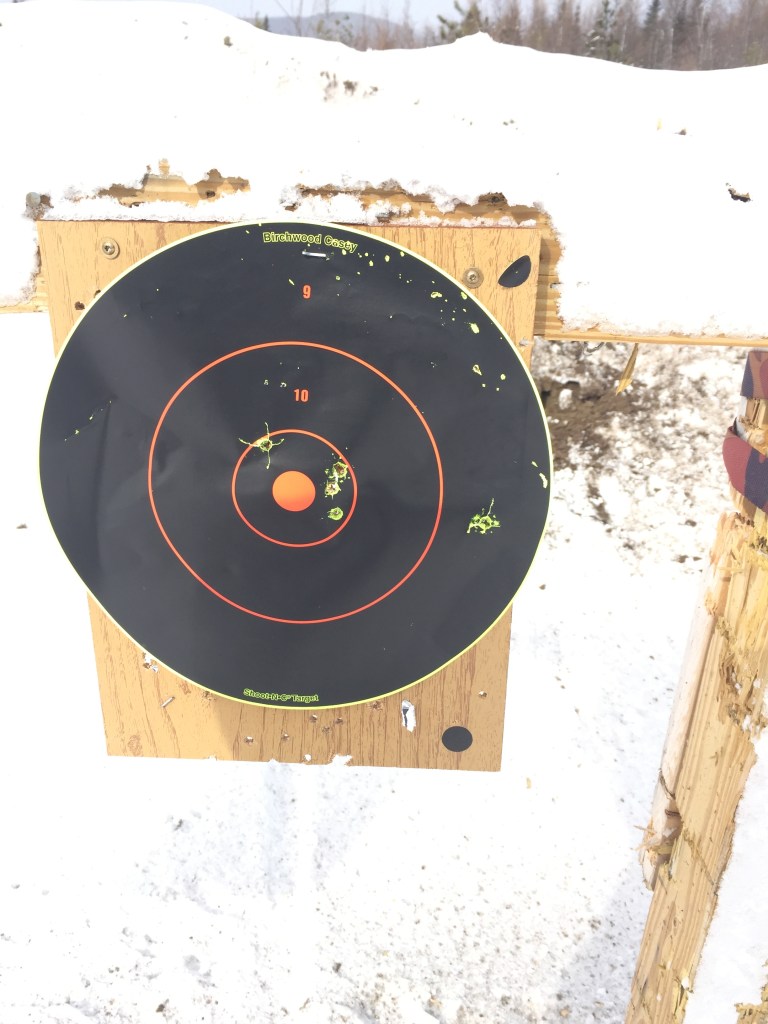
Two sighters, then three vertically. OK! We can work with this. Then a dining room table picture to show 1 MOA:

And I shot Federal Premium until I had enough brass to start reloading.
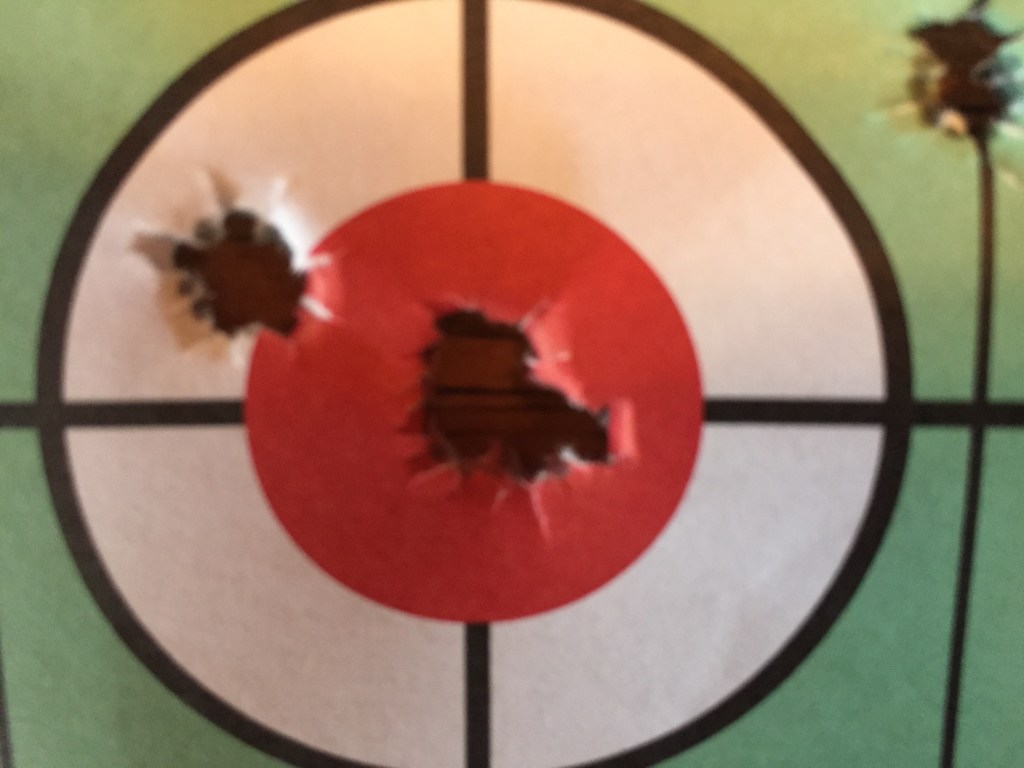
Now we are cooking.

Ooh! A quarter MOA.

And at 300 yards?
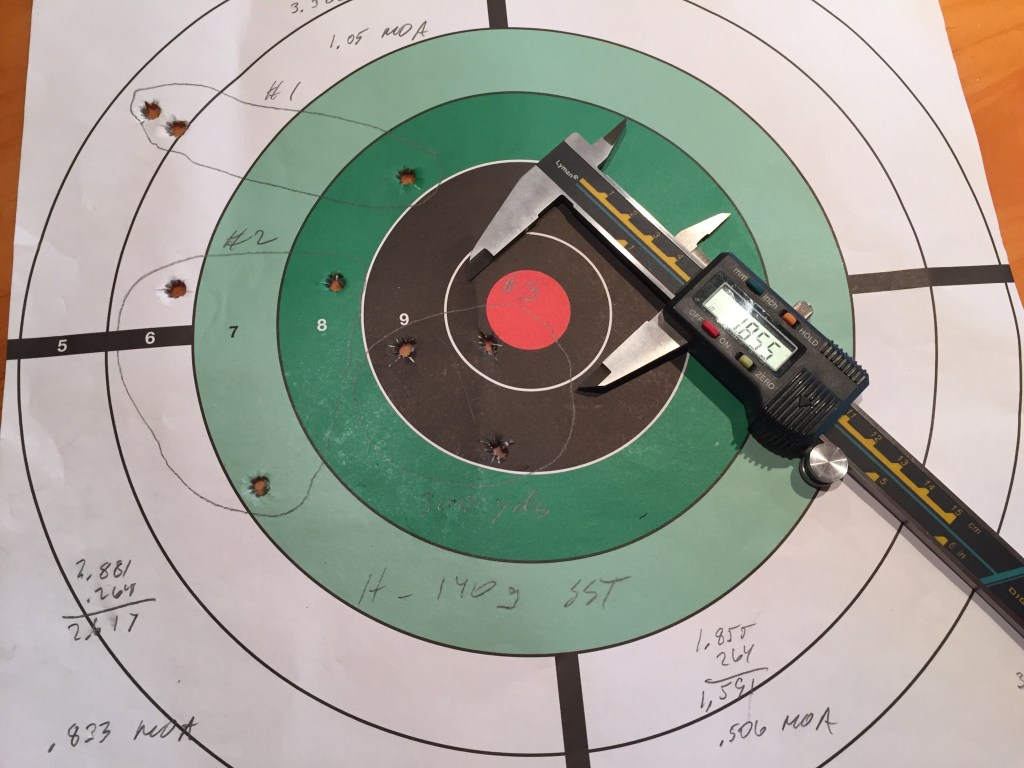
Yep, fairly accurate. Tomorrow, we’ll talk about upgrades. And then maybe some long distance shooting?
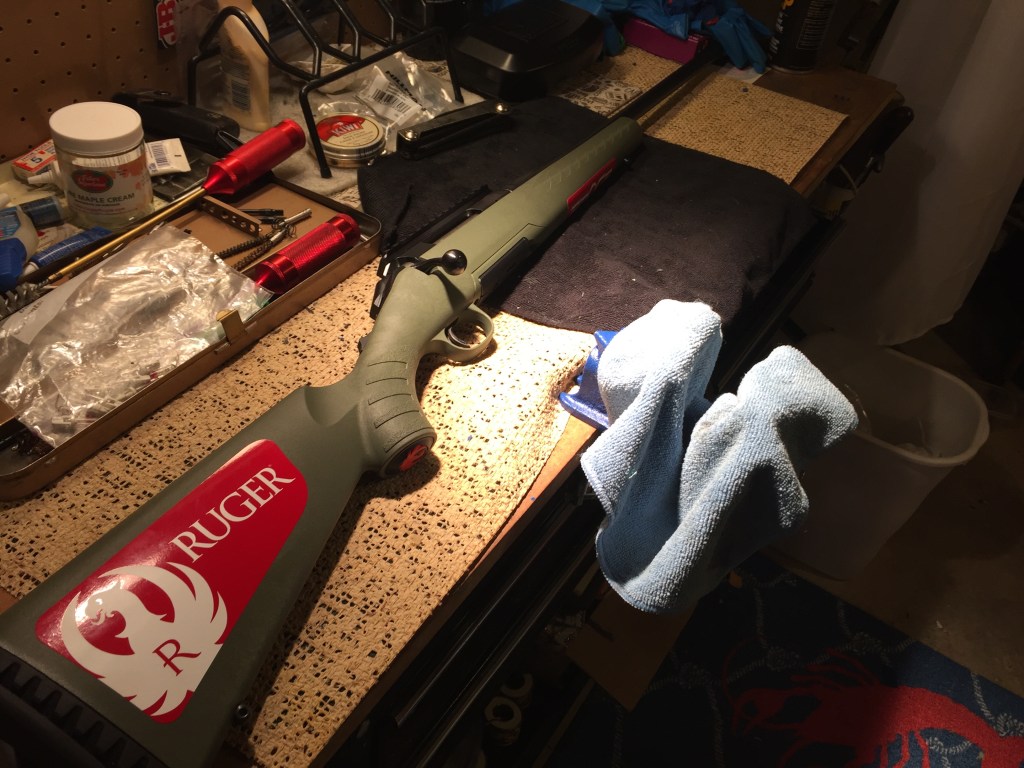
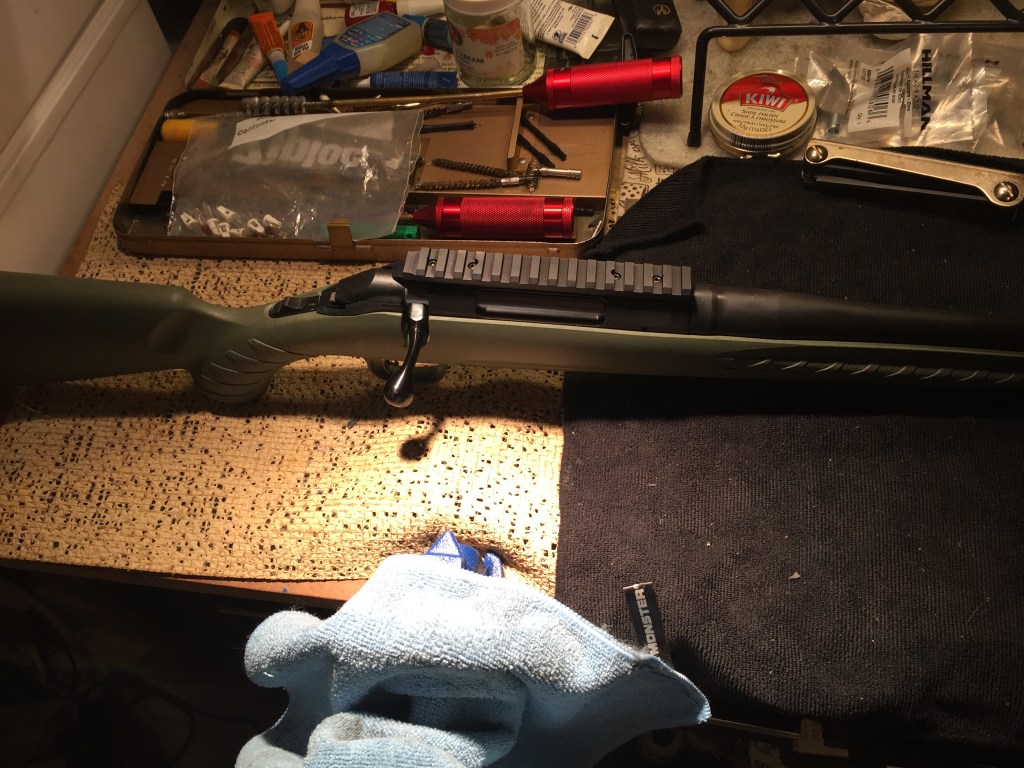
Predator Teaser

As part of my 2020 New Year’s resolution, I resolved to hit steel at 1,000 yards.
At Christmas 2019, Santa brought me a Vortex Viper 6×24 second focal plane scope. That was go time to order a Ruger American Predator in 6.5 Creedmoor from my LGS. It showed up in February.

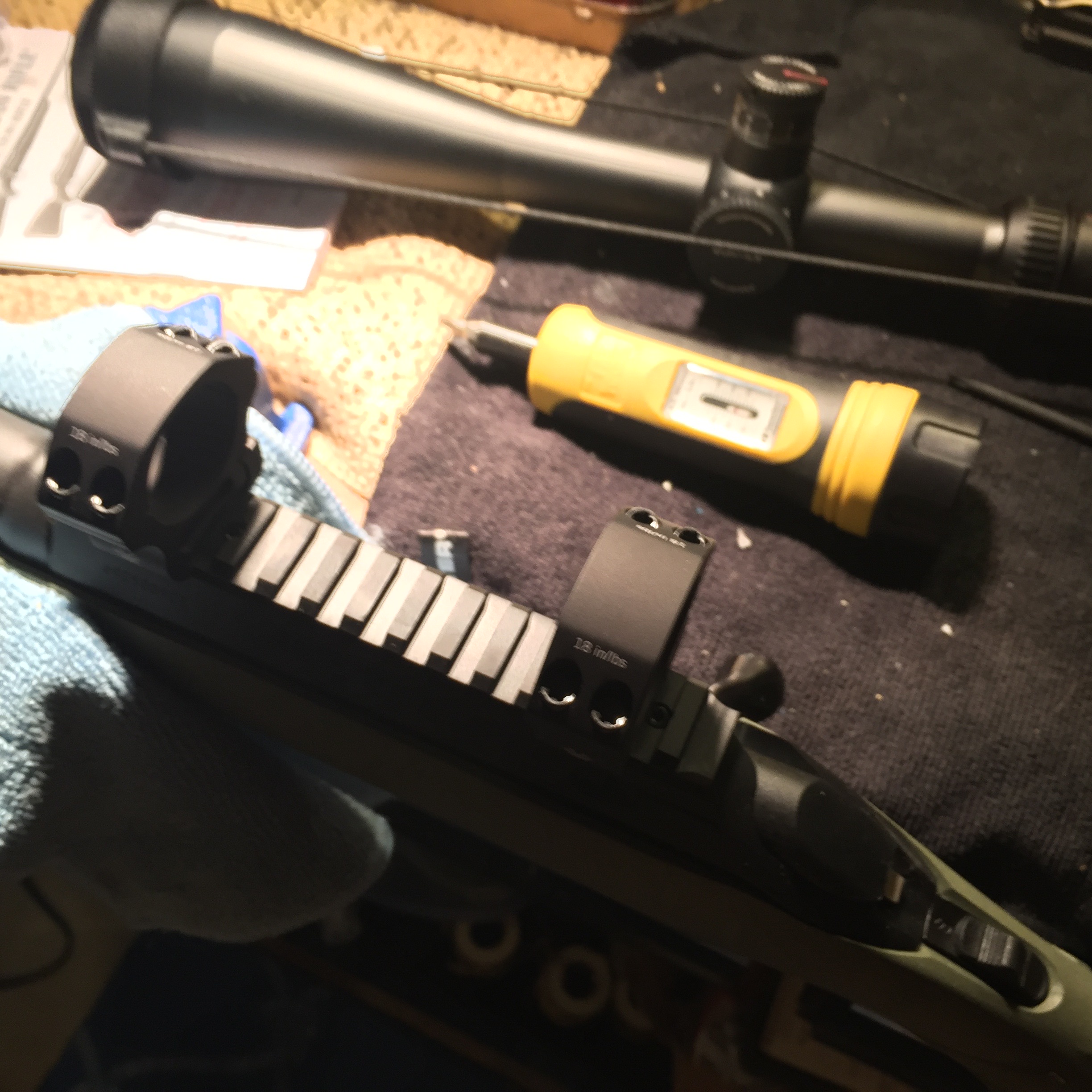
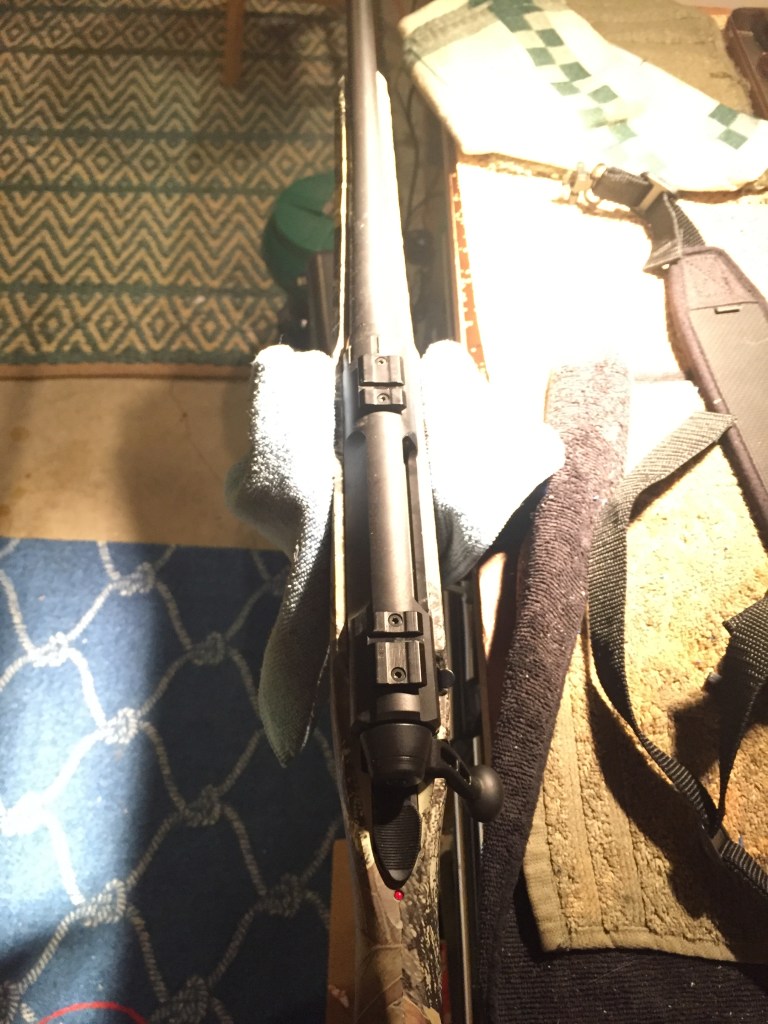
And that is where the glass is going to go.

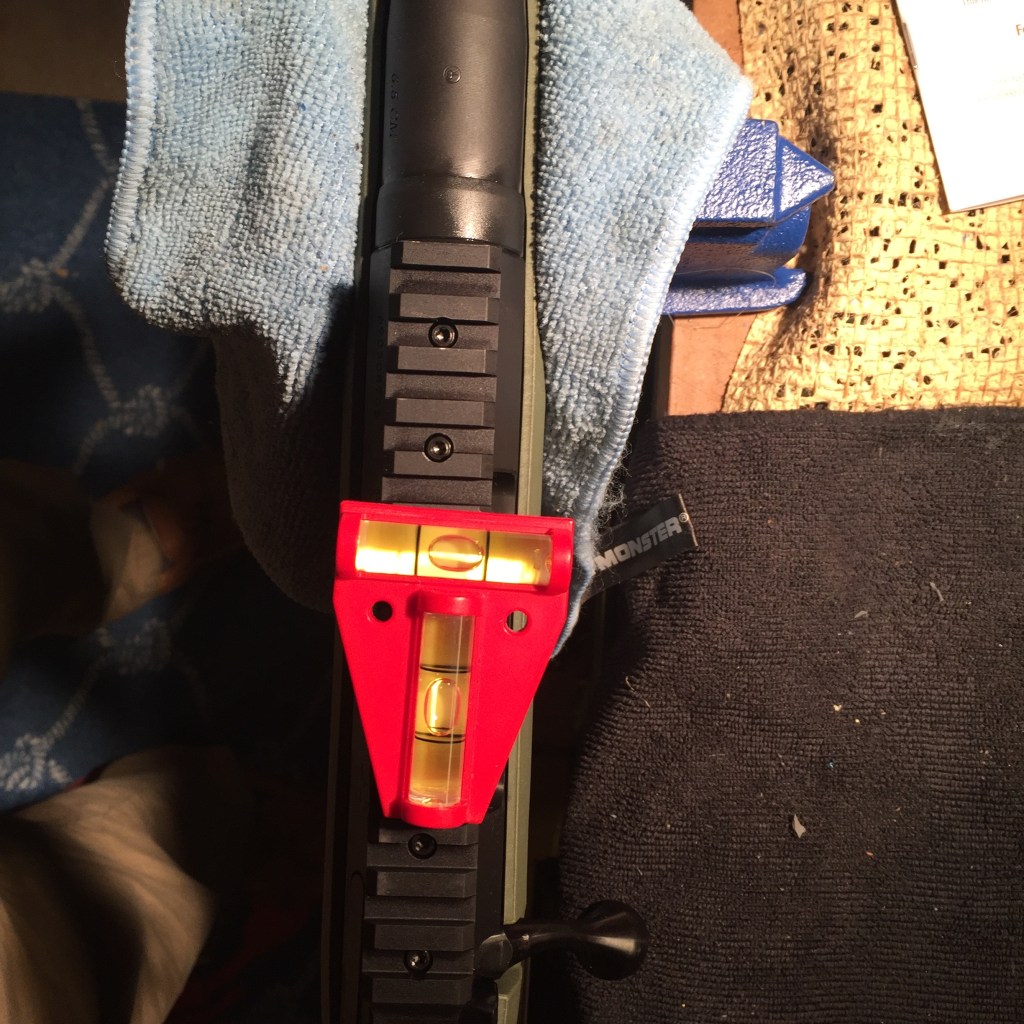
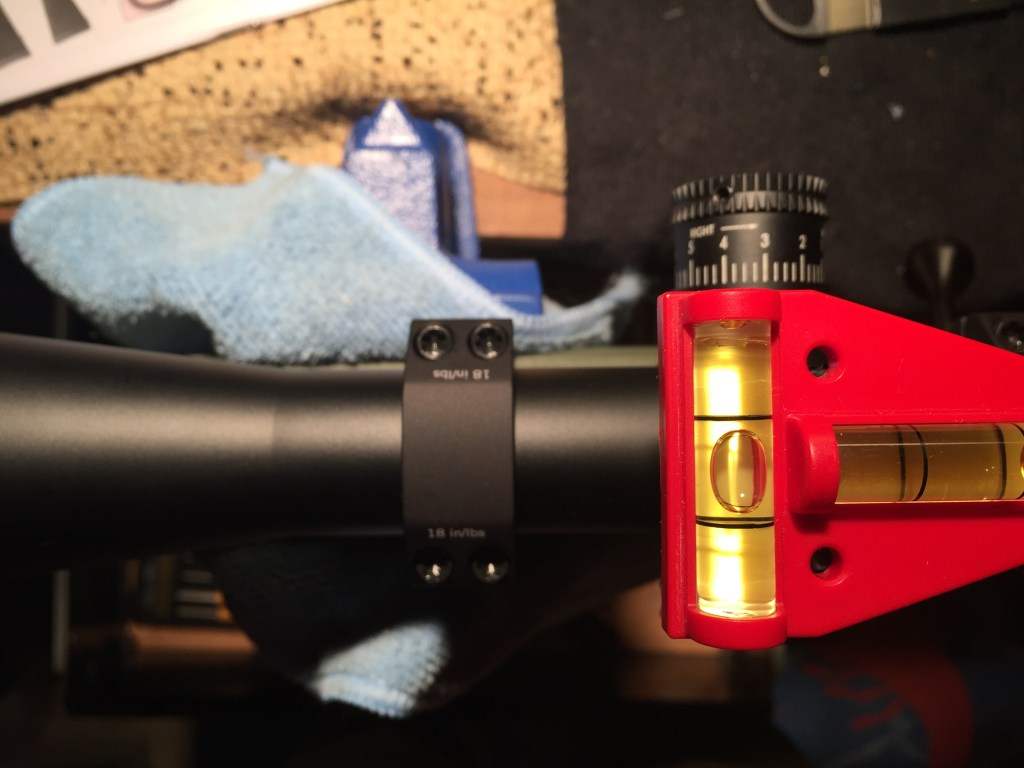
Getting level (I now have a Wheeler tool that does this a lot better).

Yup. Still level.

Getting there.

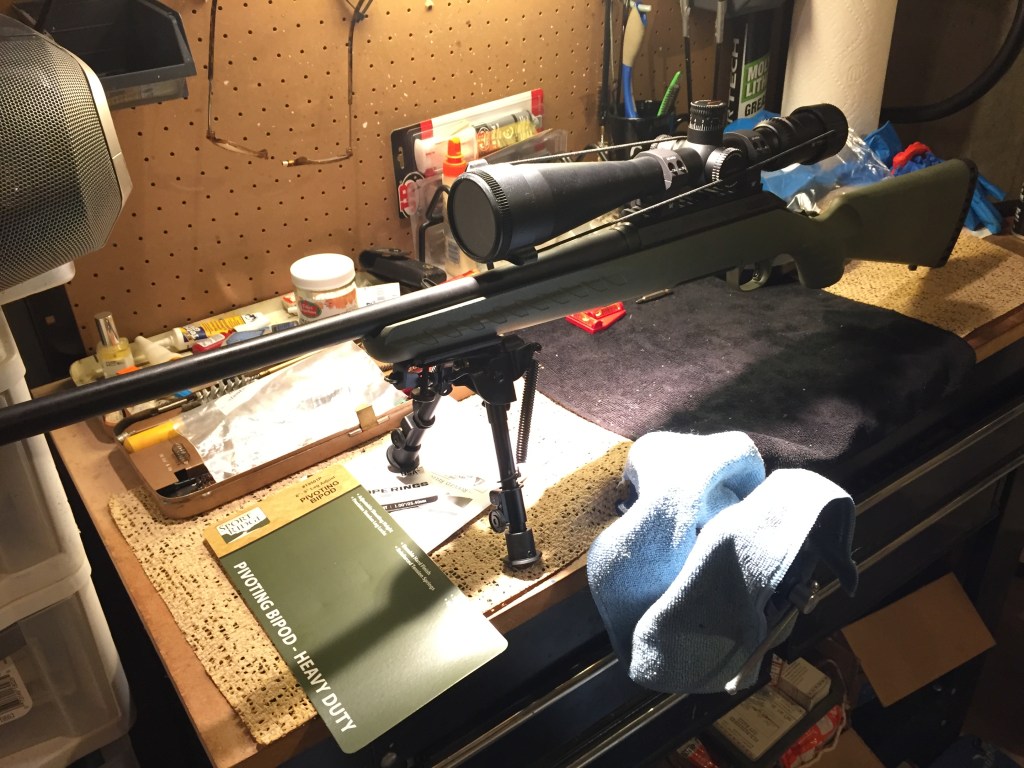
Let’s add a bipod.

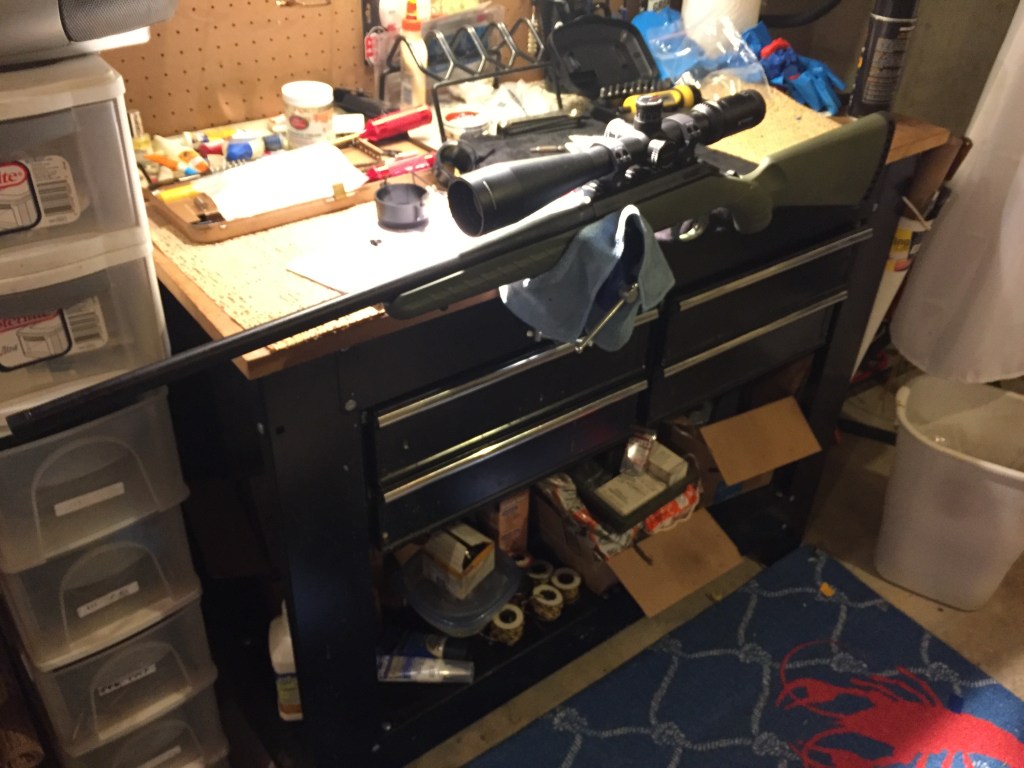
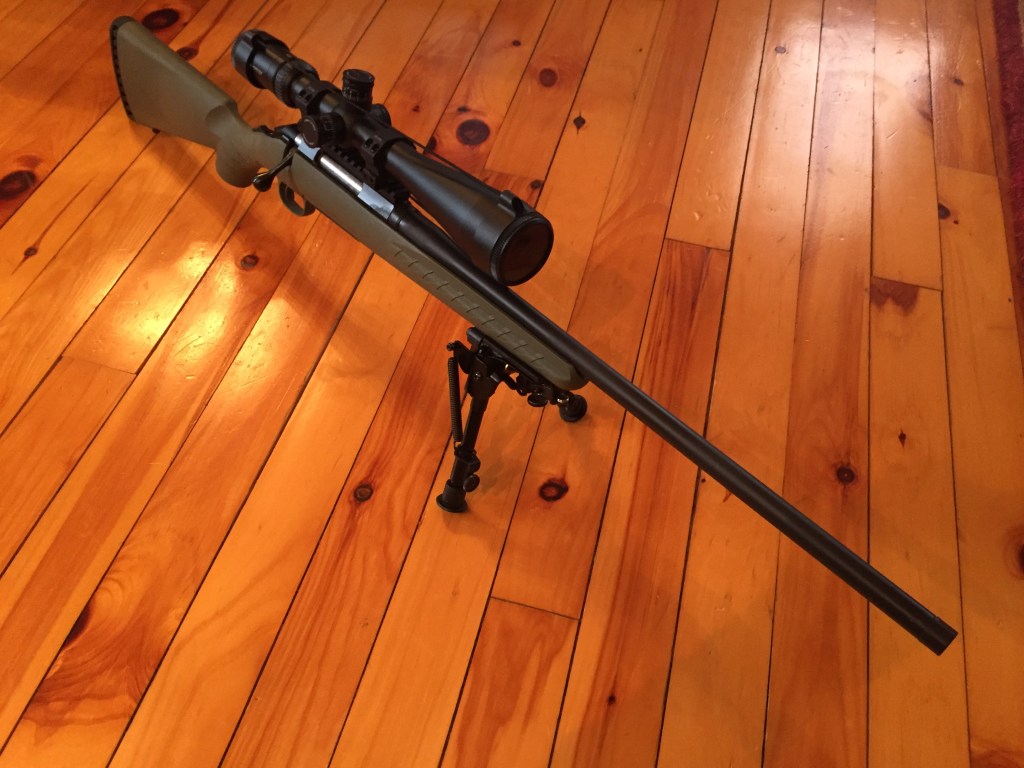
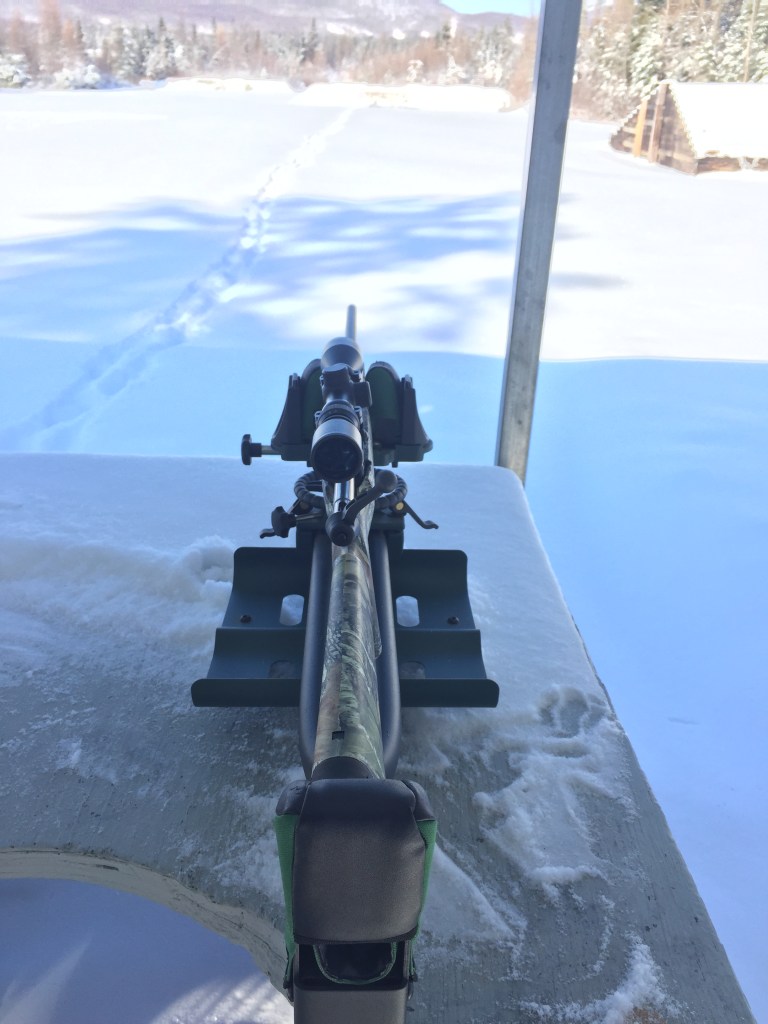
Looks pretty. I wonder how she’ll shoot?
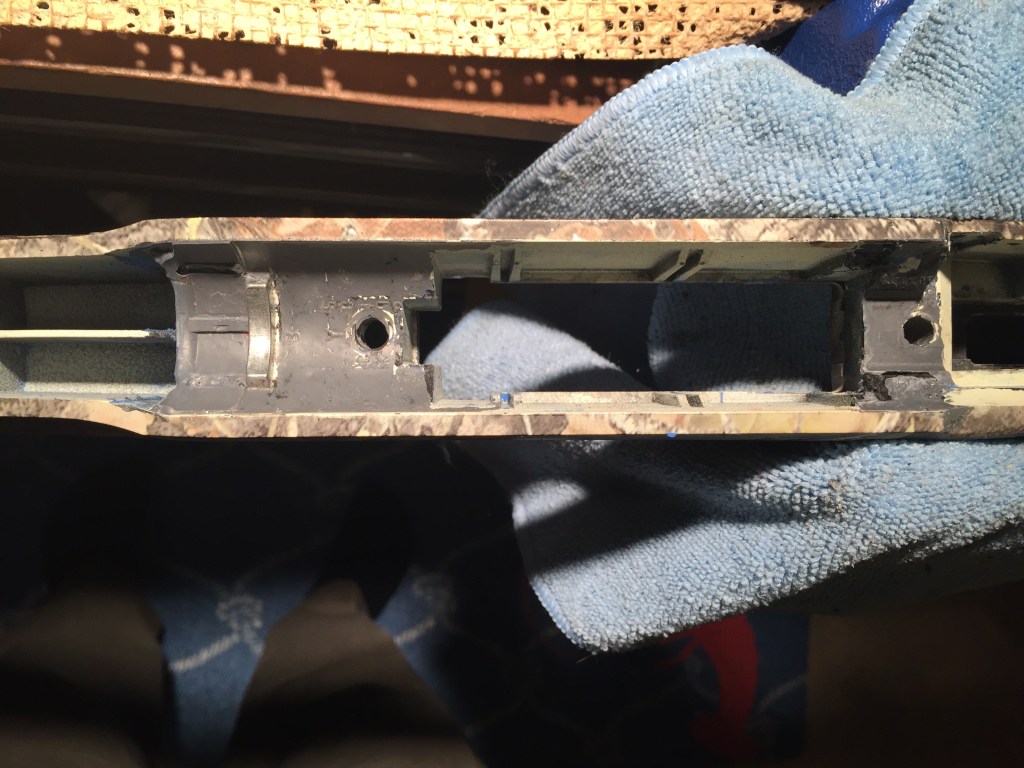
Find out tomorrow in Part 2: The Hunt for Predator Precision!

It’s the little things.

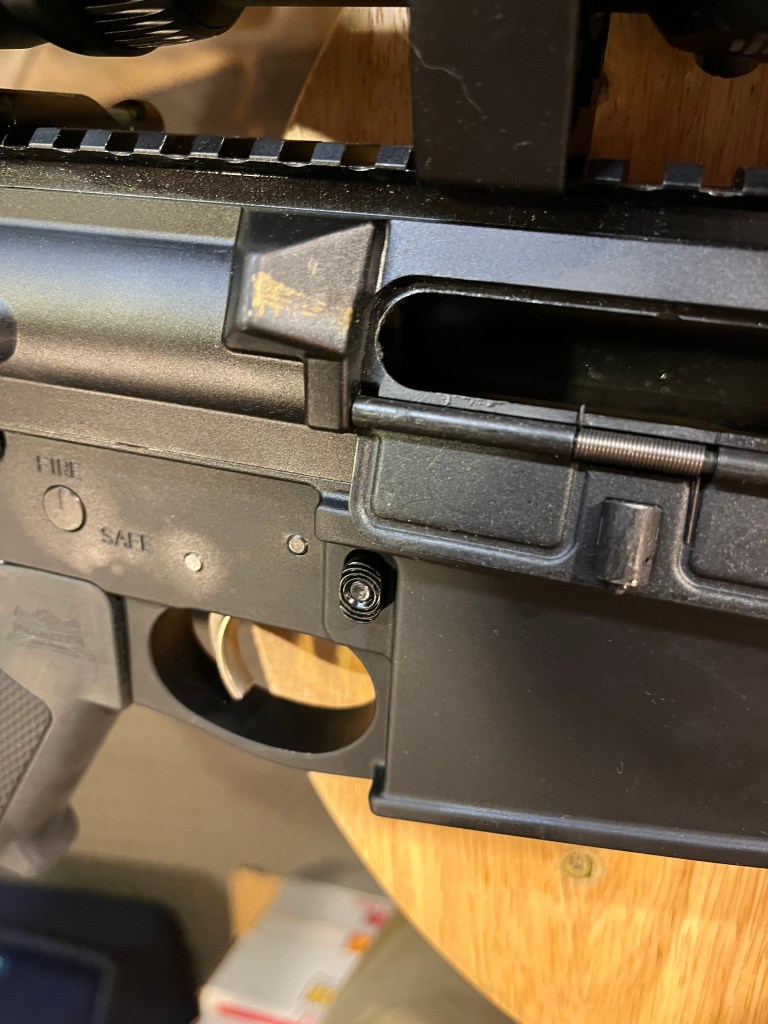
Apropos of nothing, this is a common problem and a nifty solution. Does your brass get beat up hitting the deflector when it ejects?

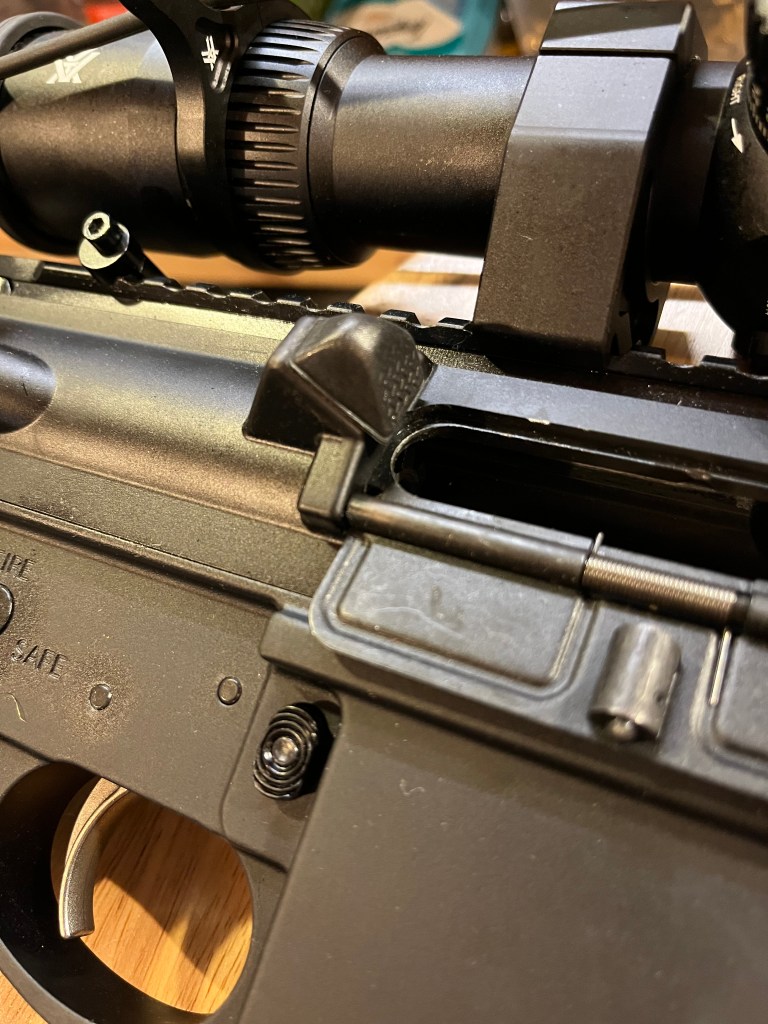
Deflector Brake by Jack Keil. Not only does it cushion the impact, the brass drops in a neat pile a few feet away.

Just make sure you position it far enough back so that it does not interfere with the dust cover. Live and learn.
They are now on all of my AR platforms. Assuming that I have more than one.

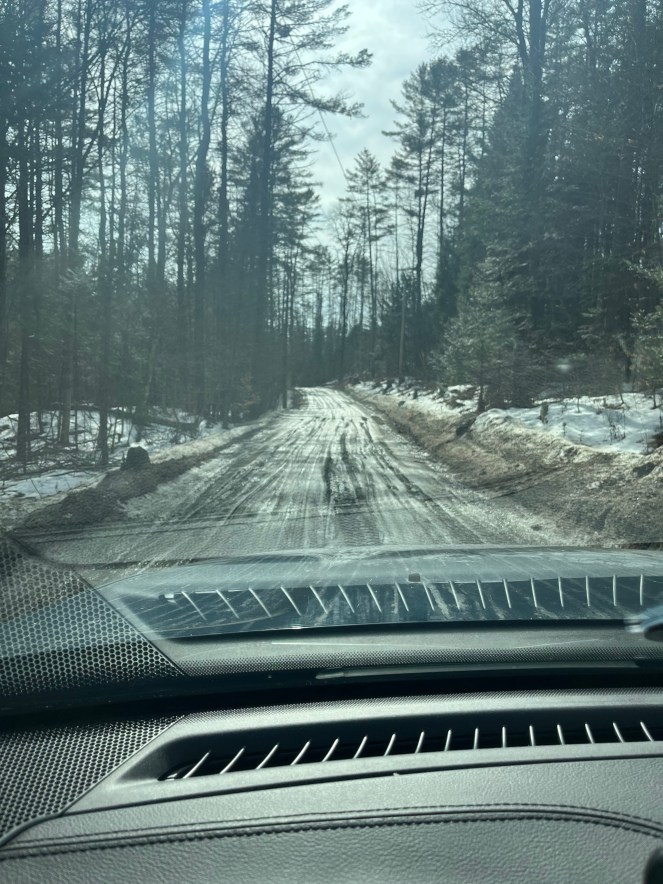
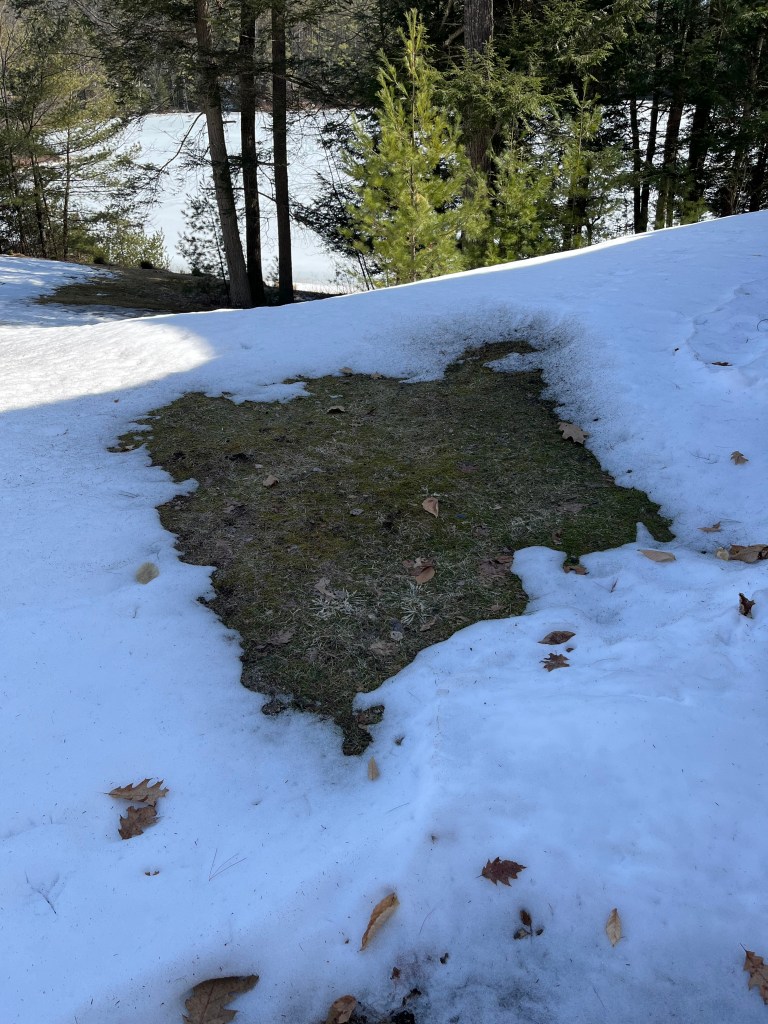
More signs of Spring/Mud Season

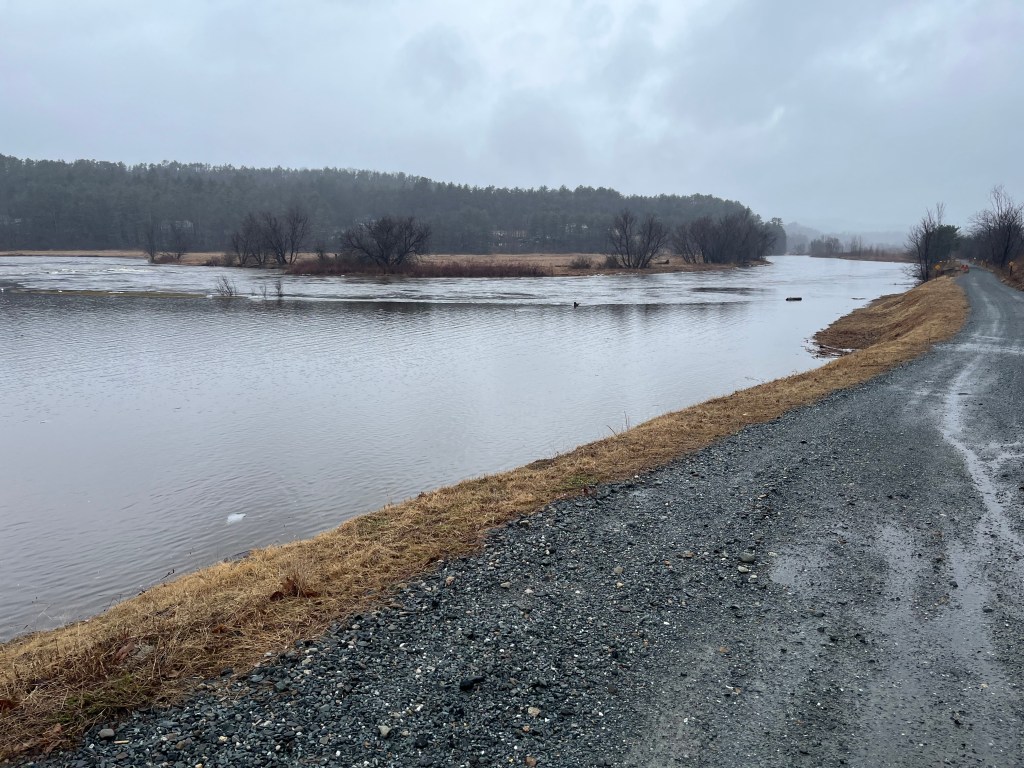
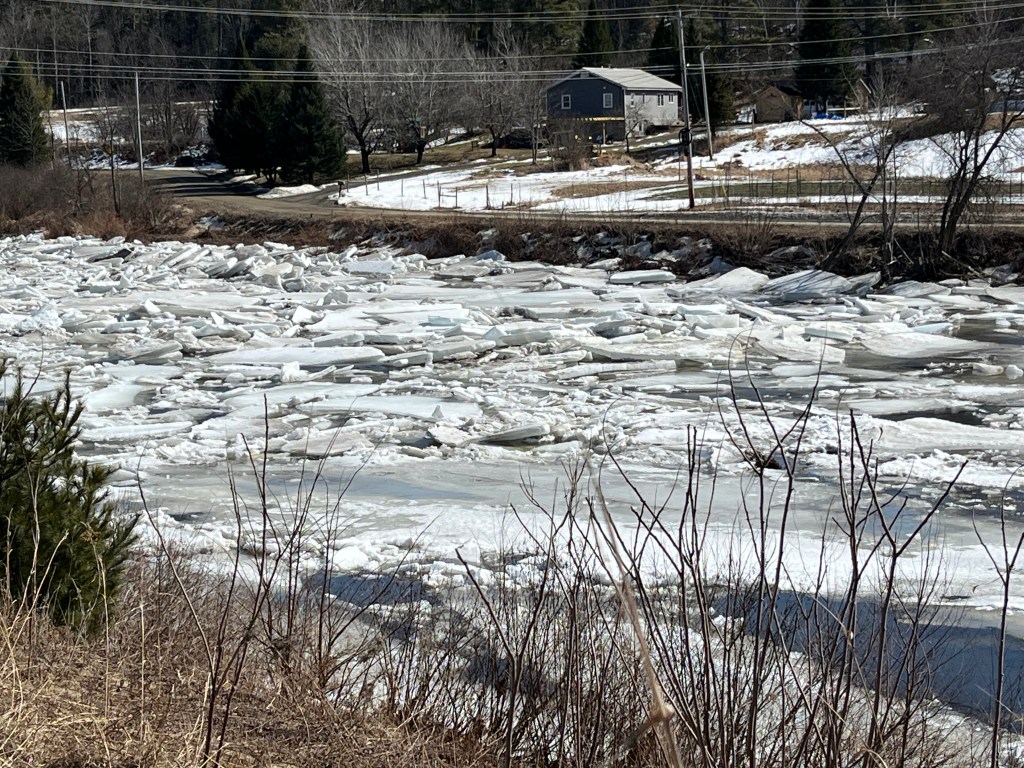
Remember this picture of ice at the bend of the river from a few days ago?

Today, after heavy rain and snowmelt overnight:

The foreground is a soccer field at the bend of the river. Just downstream:

Our own little waterfall:

Coming up next, Black Fly Season! So don’t come to NH. It sux and everyone has guns. Lots of them.

Garand Encore

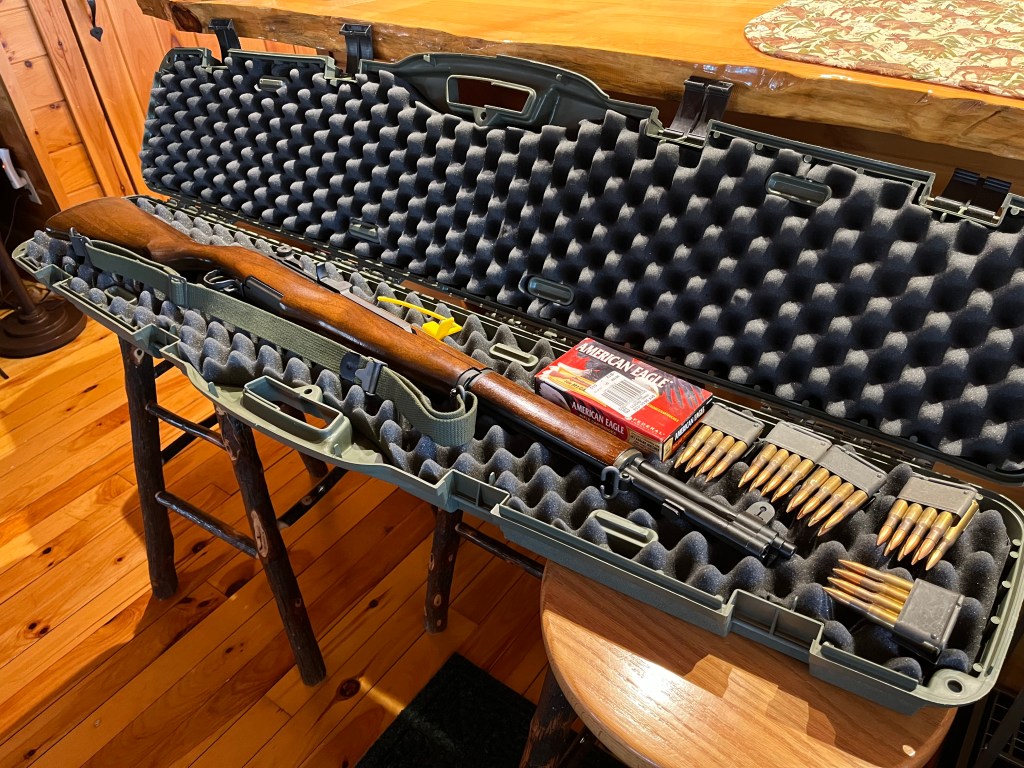
The earlier Garand post was popular. Let’s revisit.
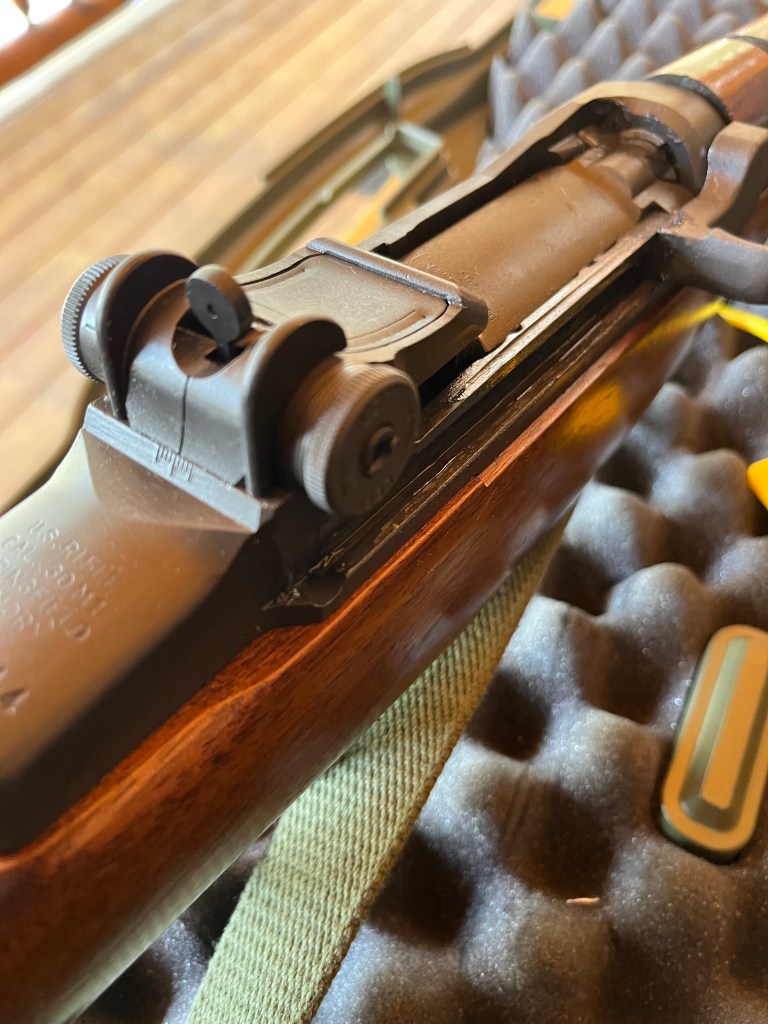
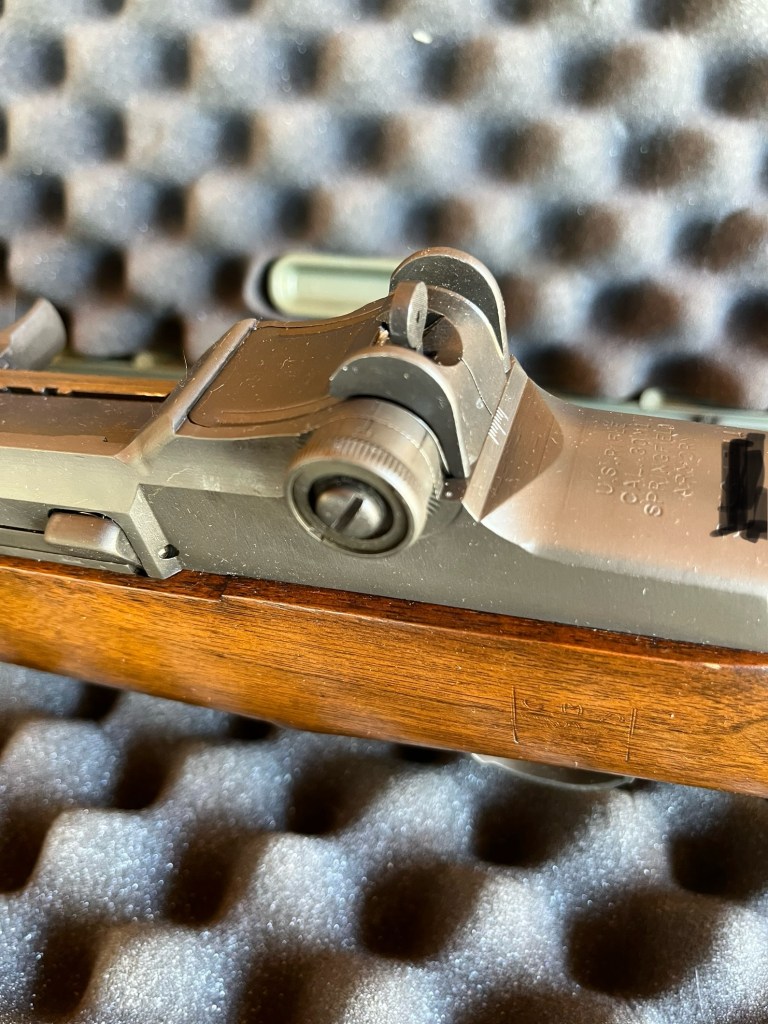
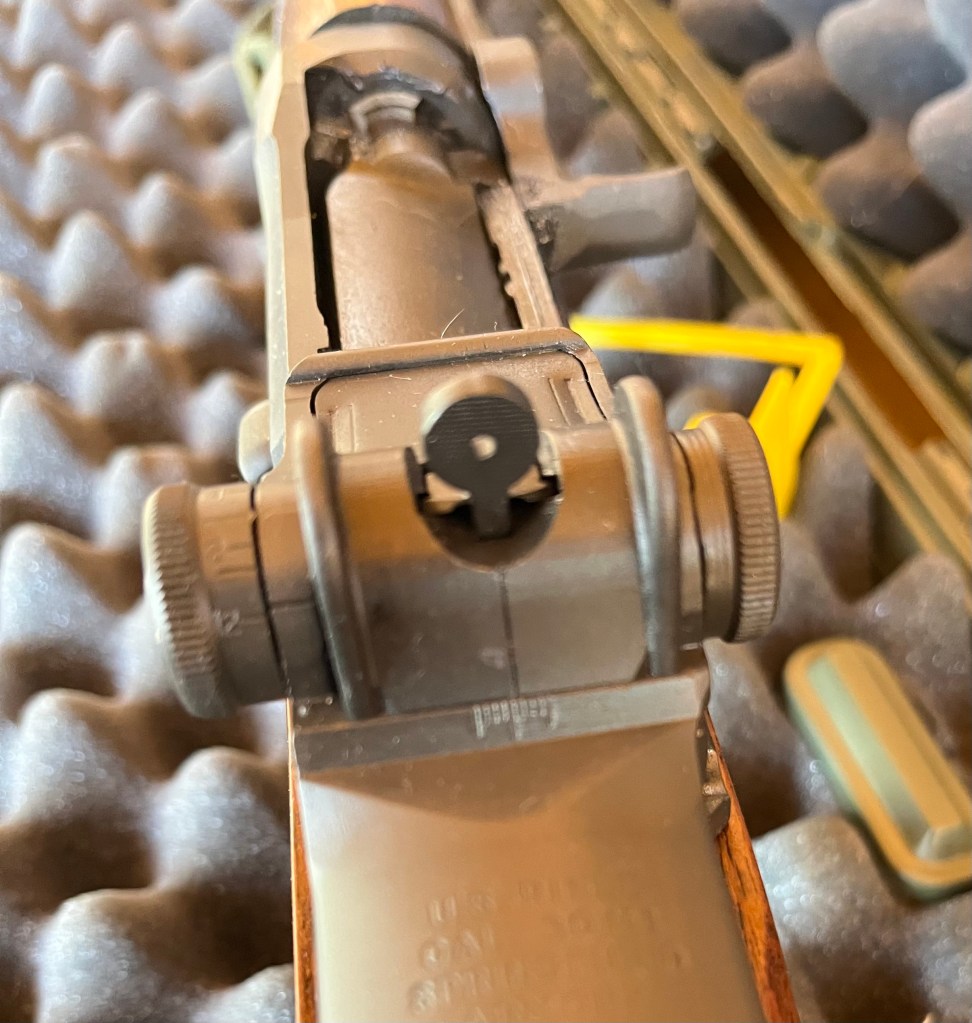
I mentioned that I had a problem with elevation zeroing. Back at the bench I disassembled the sight group by unscrewing the captive bolt on the left side and the flat-tipped head on the windage side.

I should have taken a picture of the peep sight when I pulled it out. What a marvelous piece of machinery! It’s a ratchet with the same curve as the upper body of the top of the sight unit. It was in perfect condition with a sheen of clear oil.

By disassembling the unit I had a better understanding of the correct operation. To rotate the elevation knob without it engaging the peep sight ratchet, both the captive bolt and the flat tip head on the windage sight have to be loosened. This allows the elevation knob to be pulled out far enough so that it can be freely rotated. As in to the zeroed position.

Let’s go back to the range!

The TM for the Garand says to zero it, start by rotating the knob to its lowest position, then up 8 clicks, then fire to see if it’s close to zero. I did 7 clicks because I don’t need no stinkin’ instructions, and this is what I got:

Left target, circled in red. That’s with the old Greek ammo. I dialed one click right windage (because I can’t leave well enough alone) and used the American Eagle ammo and got the right target. (One of those four shots was later, but I can’t recall which. D’oh.) But the American Eagle is 50 fps slower, so the elevation drop makes sense.

The gradations on the elevation knob are in 100 yard increments going up to 12.

But, damn, those are hard to see with old eyes and snow blind from the bright sun. I might just use some white on them. Anyway, now being zeroed, I tested the marked gradations on steel. At 200, the shot was high – dialing back to 100 put it on target. At 300, it was also high, and dialing down to under 200 brought it on target. Once the Long Range opens up again, I’ll test out to 1100 yards. There will be pictures. And some more drone footage.

As long as the Savage is out

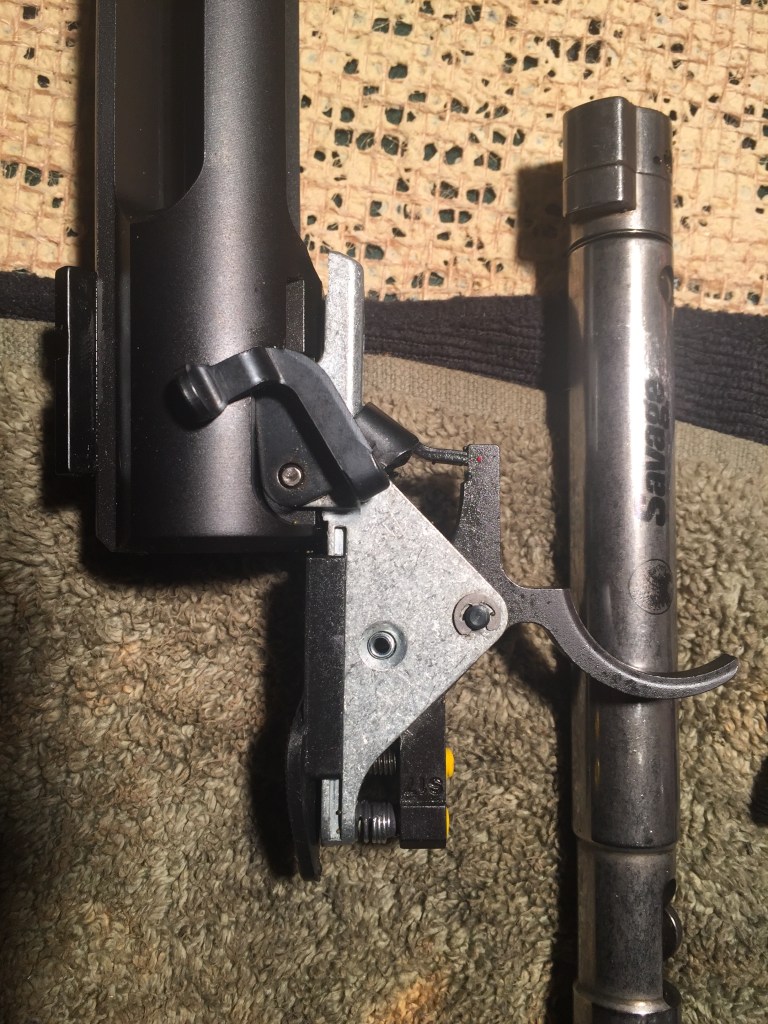
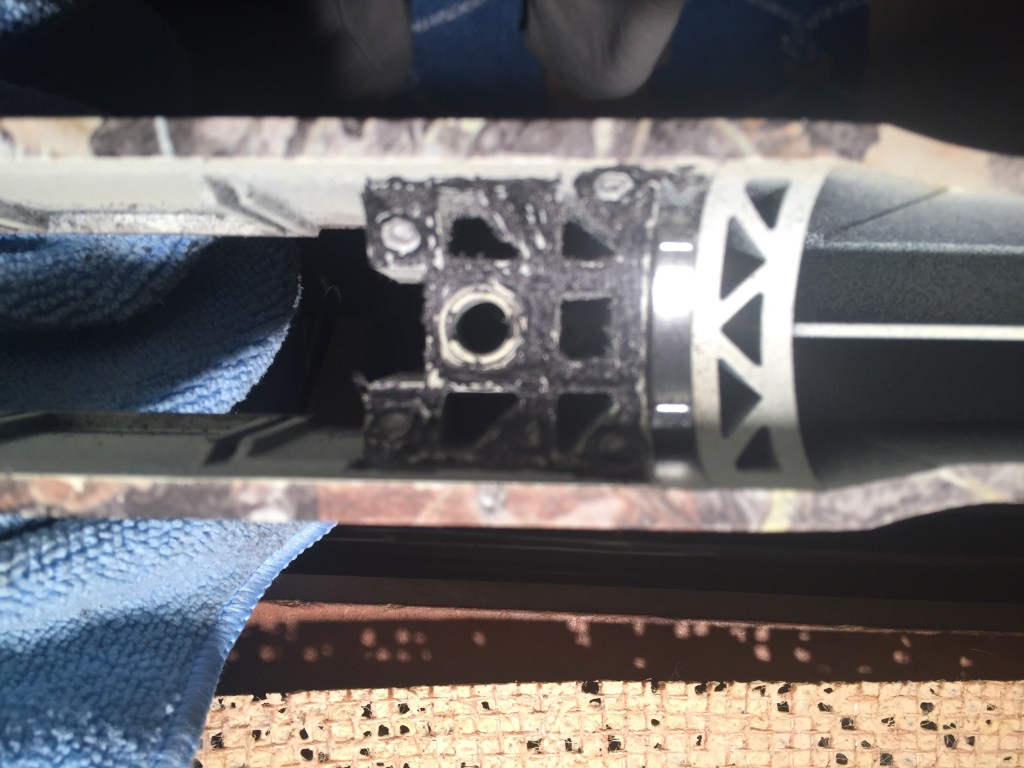
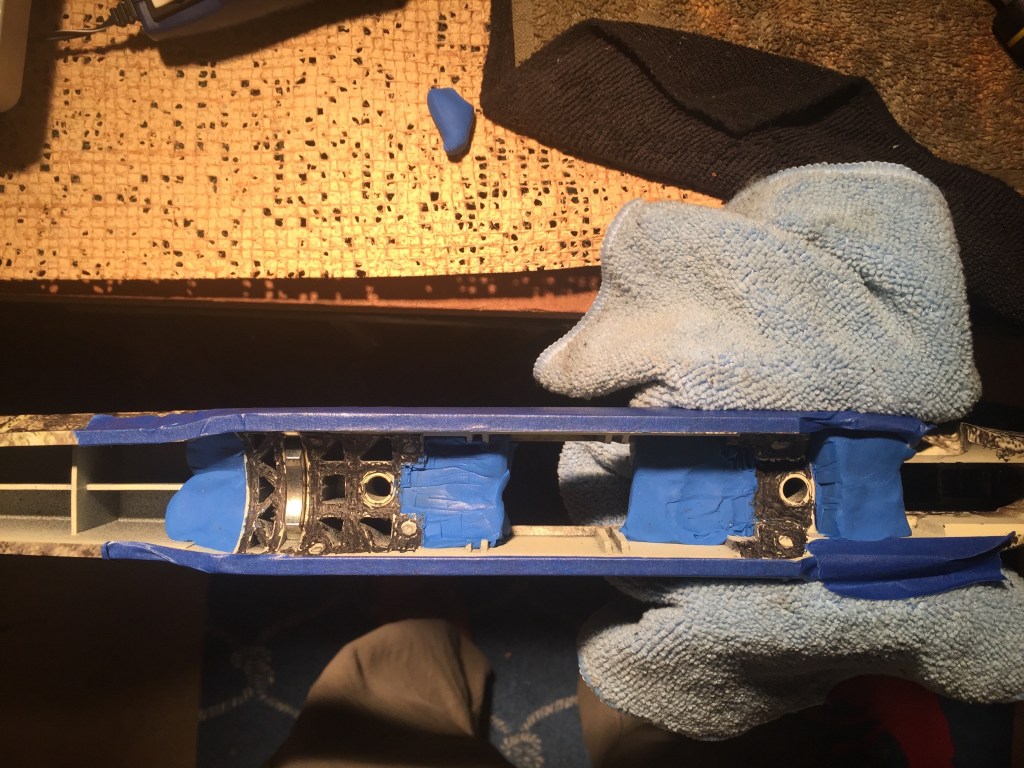
I might as well remember what I did to it. When I bought it, I was looking at just a decent .30-‘06 for general purpose. The Ruger American had just come out and piqued my interest, but my LGS guy suggested the Savage Axis. Ok, LGS guys you trust are good. He also steered me away from Century Arms to a Bushmaster AR, so he had cred.
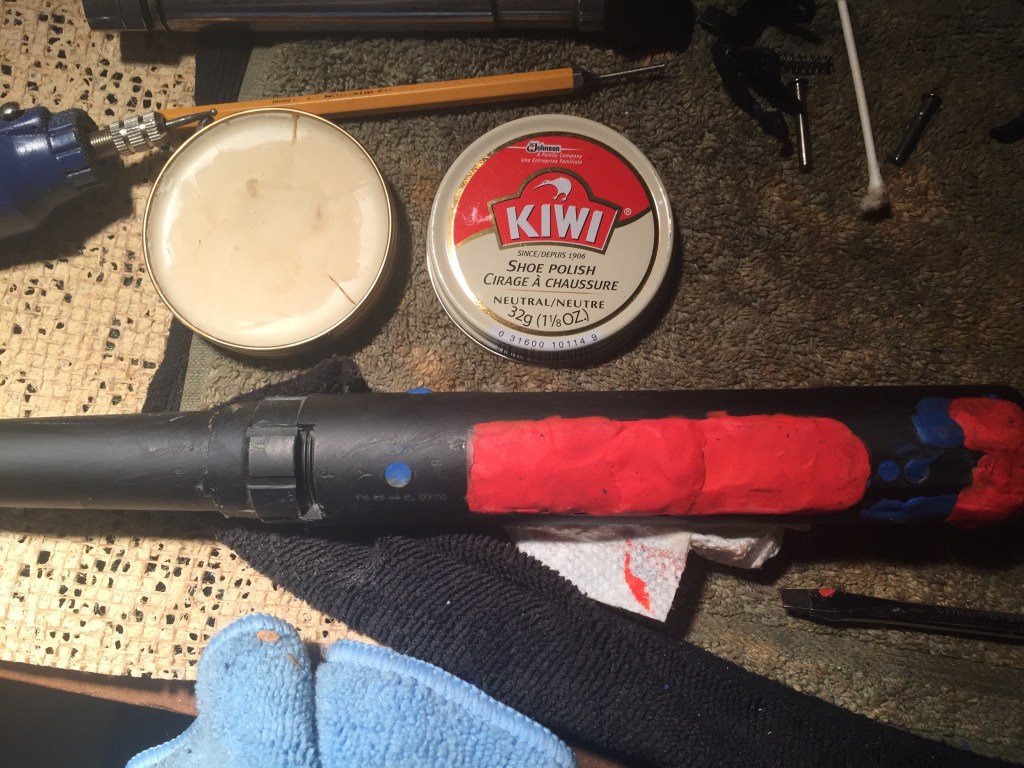
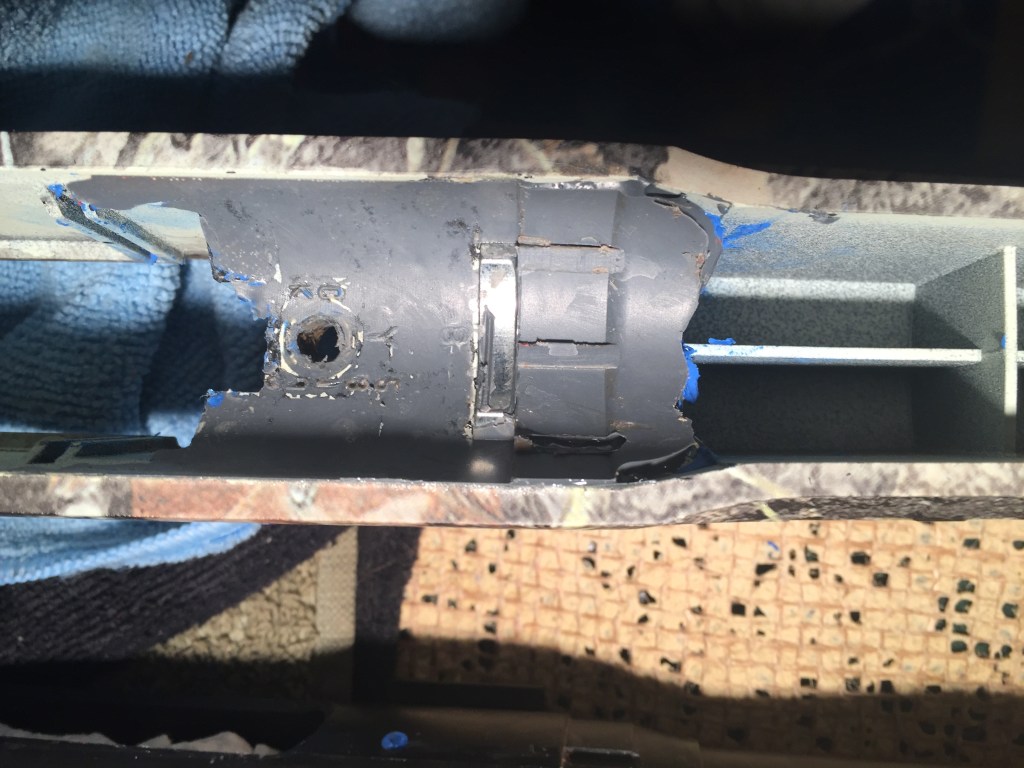
This was one of my first attempts at glass bedding a rifle, so a bit of a learning curve. But I did document it thoroughly. Of course.

If a picture is worth a thousand words, you just got 13,000.

Fouling shot and next two I’ll take. Home-rolled with Hornady 168 g BTHP.