
As in going forward
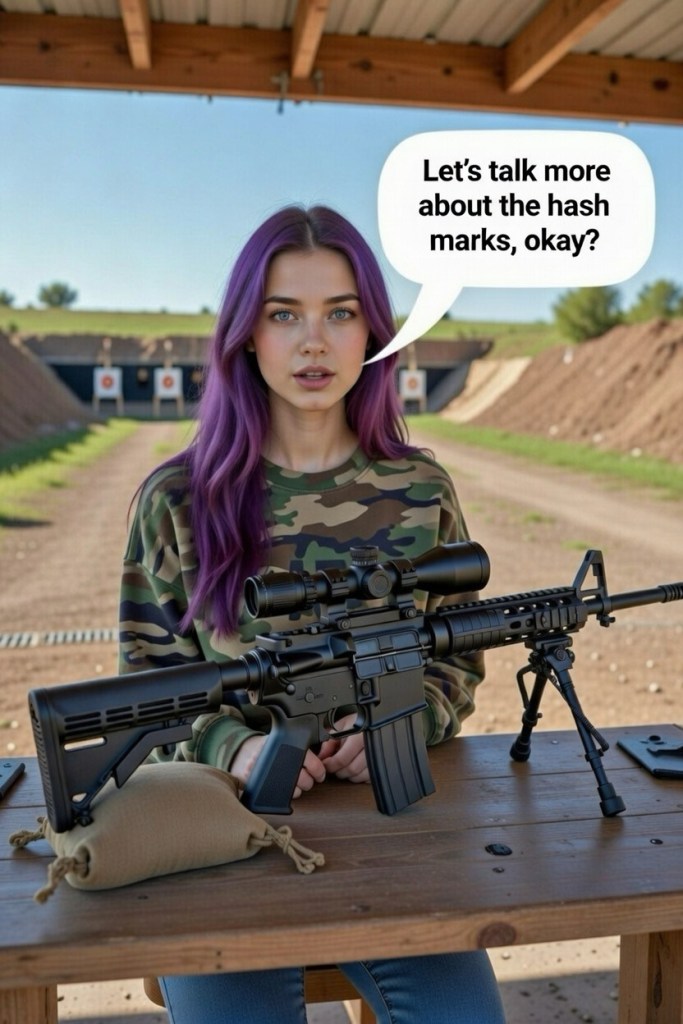
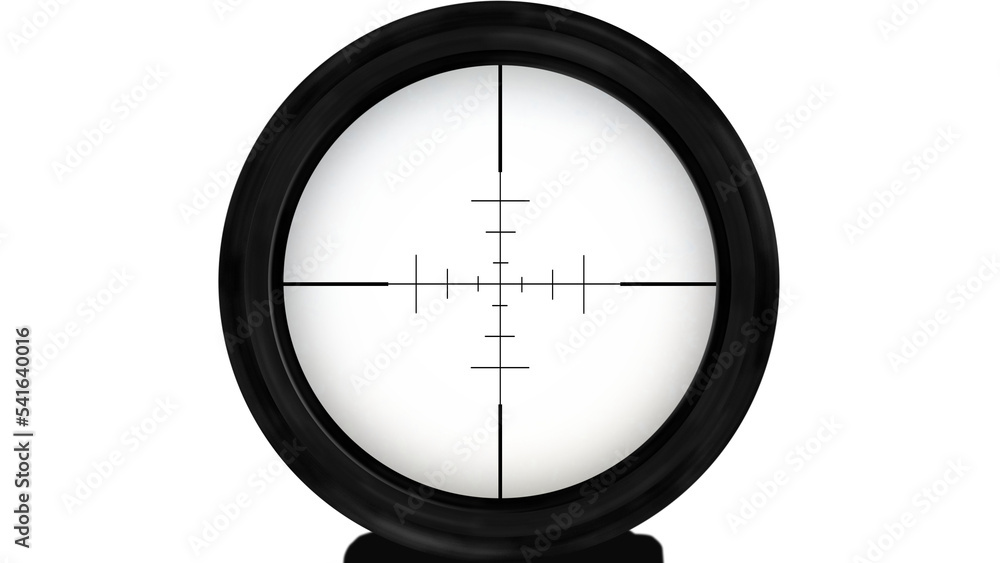
OK, we’ll use the simple scope picture from before. Each of those marks is 2 Minutes Of Angle apart – 2, 4, 6, and the thick line starts at 8. With our rifle and scope zeroed at 100 yards, we know we can move bullet impact around by aiming at various points instead of the center of our crosshairs. If, for example we had a crosswind that was landing our bullets 3” to the right of our aim point, we would the use the halfway point between 2 MOA and 4 MOA on the left side. Likewise, if we wanted our impacts to land down two inches from where we were hitting, we would “hold under” using the first hashmark below center. If we wanted both those things to happen at the same time, we hold 3 left and straight down from there one hash mark in length.
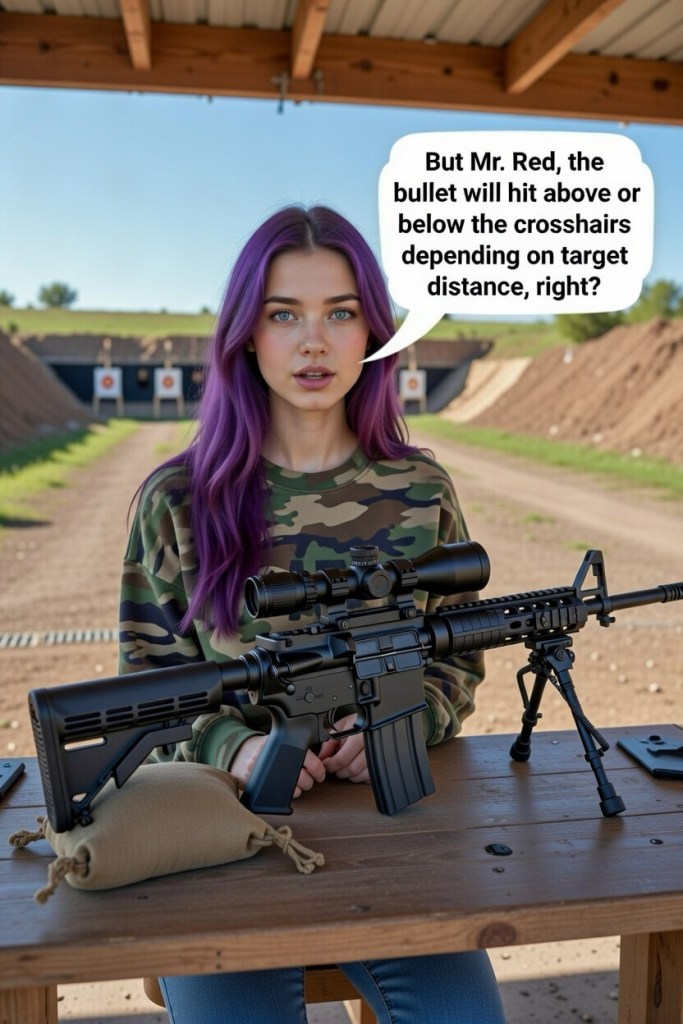
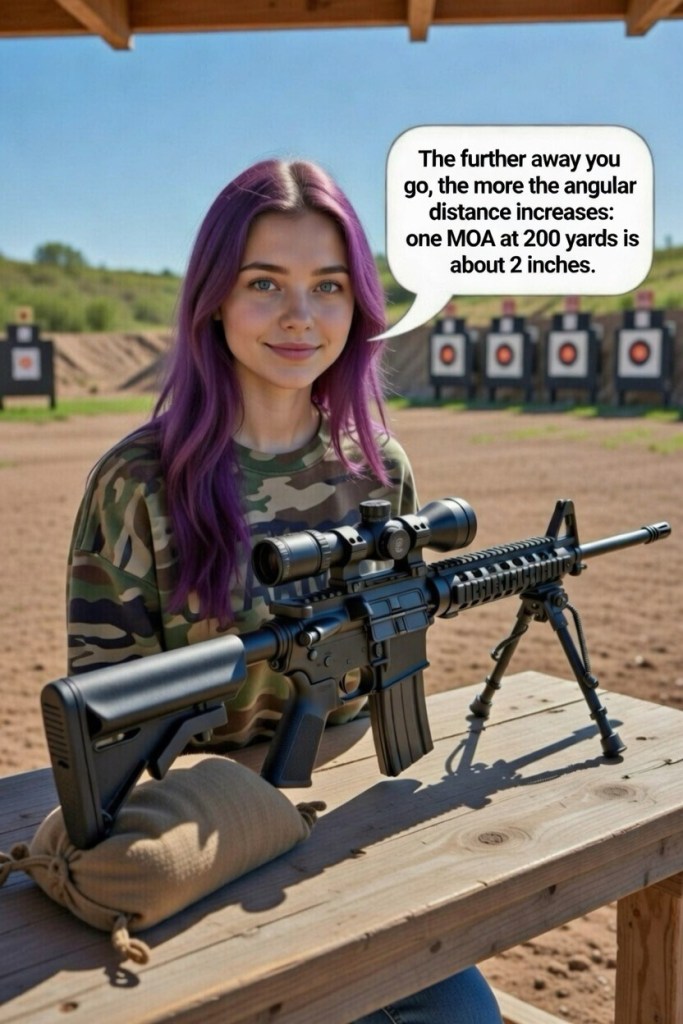
BUT, that’s only good for 100 yards. That same hold at 200 yards will move the impact twice the amount, i.e., 6” left and 4” down. And the same is true at all distances further out. 300, multiply by three, etc.
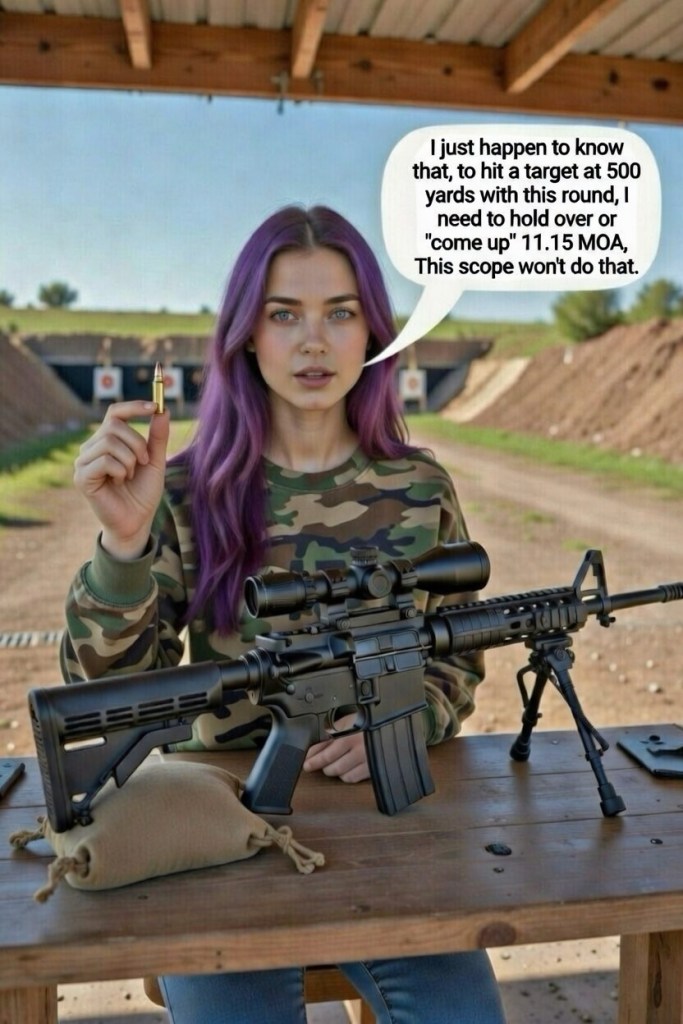
Right you are, Emily. We need to spend a “few more” dollars to get a quality long range scope. The rule of thumb is to spend at least as much on optics as you did for the rifle. Try this:
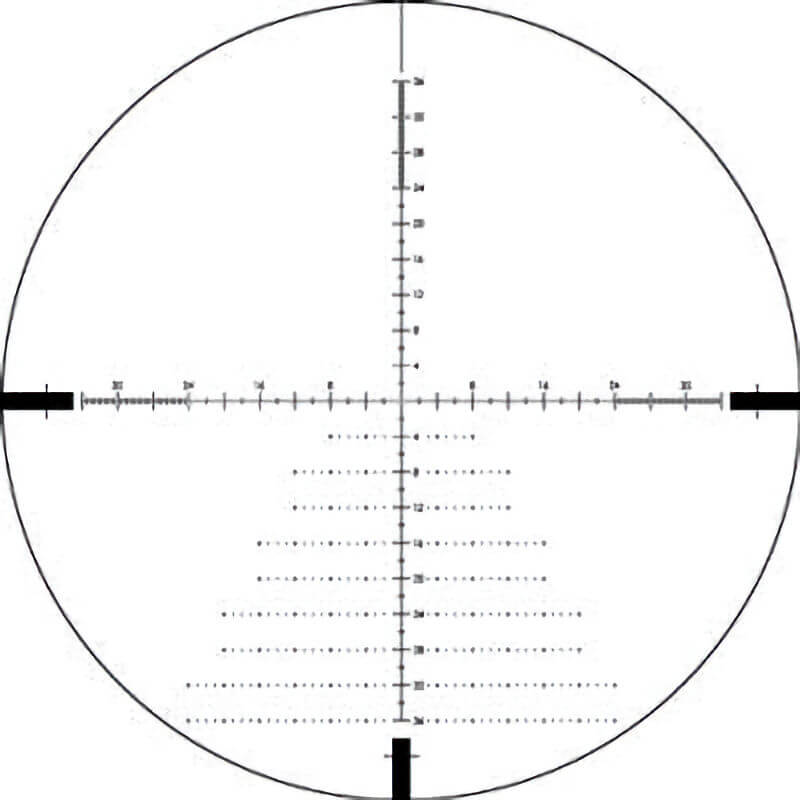
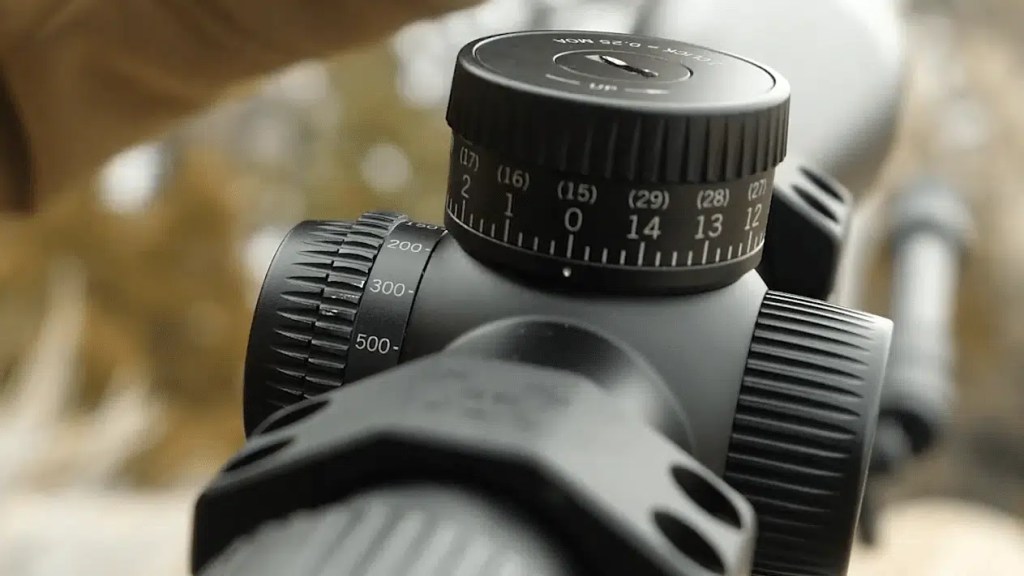
Lots of hash marks here and you can indeed use offset and holdover. BUT, there’s a much better way. Let’s take a look at this turret. The shooter is setting and locking his zero. Some scopes have a Zero stop so that you can always dial back to zero without searching or trying to remember where it is.
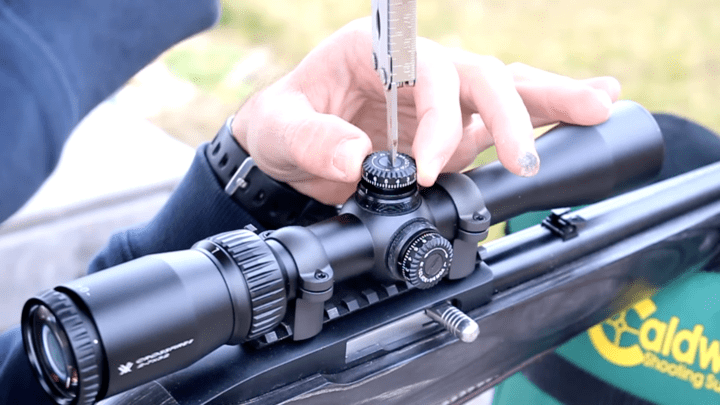
Once set, the shooter disengages (usually by pulling up slightly) the outer ring, sets the mark on “0” and reengages the ring. Now, he can dial up as many minutes of angle as is required and mostly use the crosshairs as the aiming point. The same thing is done for the windage dial.
That’s a lot to absorb, so we’ll take a break. But, one bit of homework for our readers.
Yes, little one. But you already know the answer.
If Emily must dial up 11.15 MOA to hit the 500 yard target, how many inches will the bullet drop?





 KatNap Fever!